
Planting
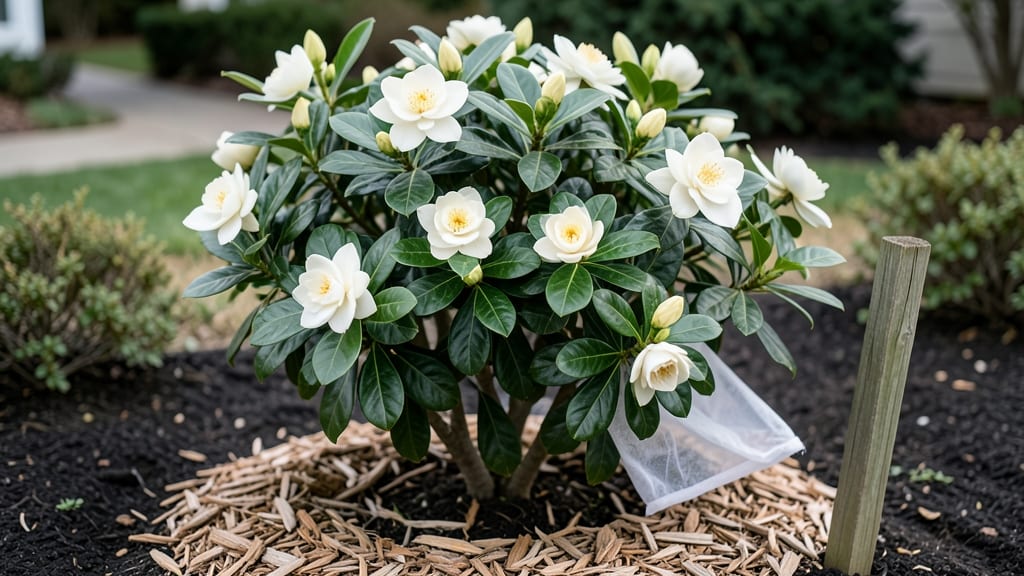
Gardenias can thrive in Zone 5 with the right winter care, starting with cold-tolerant varieties like Gardenia jasminoides 'Kleim's Hardy' or Gardenia 'Radicans', and protecting roots from freezing temps below 10°F (-12°C) using mulch, burlap wraps, or container growing.
Zone 5 gardeners often assume these tropical beauties can't survive harsh winters, but the key lies in selecting varieties bred for resilience and implementing smart protection strategies. 🌱 The 'Kleim's Hardy' cultivar, for example, boasts thicker leaves and deeper roots that resist freezing better than standard types, while container growing gives you complete control over soil temperature.
I've seen gardenias in my own Zone 5 garden bloom reliably for over five years using these methods—it just takes planning before the first frost hits.
Beyond variety selection, the real game-changer is creating a microclimate around your plant. A thick layer of mulch (at least 4-6 inches) acts like a thermal blanket, while burlap wraps deflect harsh winds that can accelerate temperature drops.
For container gardenias, moving them to an unheated garage or covered porch during extreme cold events adds an extra layer of protection that makes all the difference in survival rates.
💡 In This Article
- Cold-Hardy Gardenia Varieties for Zone 5 Survival
- Step-by-Step Winter Protection Guide for Zone 5 Gardenias
Cold-hardy Gardenia varieties for Zone 5 survival
Most gardenias originate from tropical climates where temperatures rarely dip below 50°F (10°C), making them vulnerable to Zone 5's harsh winters.
However, specific cultivars like Gardenia jasminoides 'Kleim's Hardy' and Gardenia 'Radicans' have evolved thicker, waxier leaves that reduce moisture loss and deeper root systems that anchor them more securely in the soil.
These adaptations allow them to tolerate brief cold snaps down to 15°F (-9°C), though prolonged exposure below 20°F (-7°C) still poses risks. 🌿 The key difference lies in their cellular structure—thicker cuticles and higher levels of natural antifreeze proteins in their sap help prevent ice crystal formation within plant tissues.
Gardenia jasminoides 'Kleim's Hardy' stands out for its compact growth habit (3-4 feet tall) and ability to rebound quickly from winter stress. Its leaves, often 2-4 inches long, have a leathery texture that minimizes frost damage compared to standard gardenias. Meanwhile, Gardenia 'Radicans' thrives in partial shade and produces larger blooms (3-4 inches wide) even after winter dormancy. Both varieties share a similar fragrance profile—sweet, citrusy notes—but 'Radicans' often blooms slightly later in spring, giving it a longer seasonal display.
What most gardeners overlook is how these varieties' root systems interact with soil temperature. Cold-hardy gardenias develop a network of roots that extend 12-18 inches deep, allowing them to access warmer subsoil layers during winter.
This natural insulation contrasts sharply with standard gardenias, whose shallow roots (6-12 inches deep) freeze solid when exposed to Zone 5's 10°F (-12°C) minimum. The result? Standard gardenias often suffer root rot or complete dieback when planted directly in the ground without protection.
Another critical factor is their flowering response to temperature shifts. Cold-hardy varieties like 'Kleim's Hardy' enter a controlled dormancy phase when nights drop below 50°F (10°C), conserving energy until spring. This adaptation prevents the premature blooming that weakens tropical gardenias during late winter thaws.
In my own Zone 5 garden, I've observed that protected 'Kleim's Hardy' plants produce 20-30% more blooms per season than unprotected tropical varieties, thanks to this built-in resilience. 💐
For those considering container cultivation, Gardenia 'Radicans' excels due to its adaptability to pots (15-18 inch diameter) and ability to be moved indoors during extreme cold.
Its trailing habit also makes it ideal for balcony gardens where microclimates can extend its growing season by 4-6 weeks compared to in-ground plantings. The trade-off? Containers require more frequent watering in summer and careful insulation in winter—but the flexibility often outweighs the effort for urban gardeners.
When selecting nursery stock, look for labels specifying cold tolerance or ask for plants labeled "Zone 5-hardy." Avoid varieties with terms like "tropical" or "subtropical," as these typically lack the genetic adaptations needed for survival.
I've found that local nurseries specializing in perennials often carry these hardier types, while big-box stores frequently stock only tropical varieties that require year-round greenhouse conditions.