
Planting
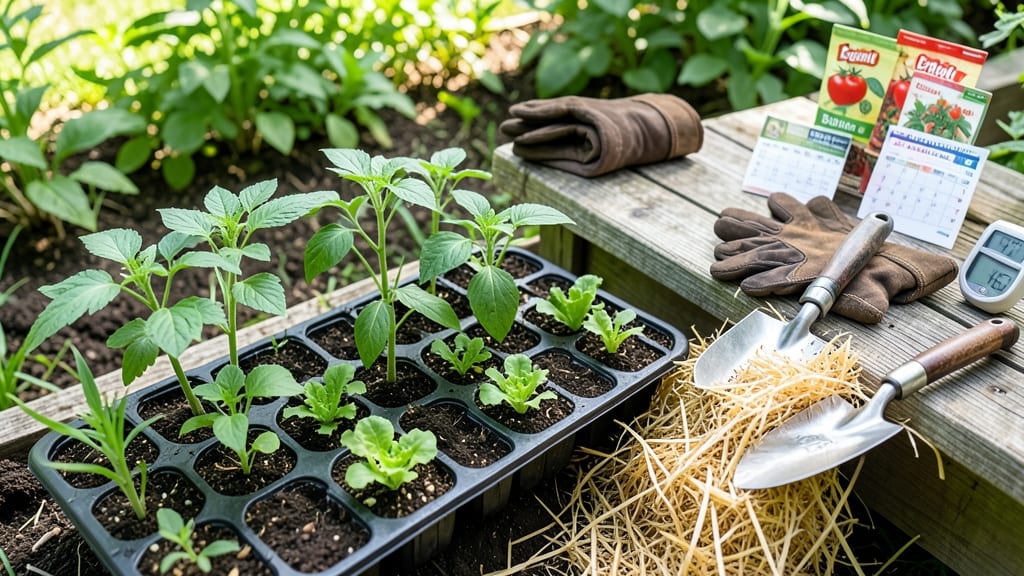
Planting your garden in Pennsylvania at the right time means the difference between a bountiful harvest and a season of frustration—especially when spring frosts linger past April 15.
Pennsylvania’s unpredictable weather can turn gardening into a guessing game, but knowing your Hardiness Zone 6B planting schedule ensures your cold-hardy crops thrive year after year. Avoid costly mistakes by timing your garden right.
Cool-season crops like spinach and kale should hit the soil 4-6 weeks before the last frost, while tomatoes and peppers need to wait until 2-3 weeks after the danger has passed. The key? Adjusting for your region—whether you’re in Pittsburgh’s cooler microclimate or Philadelphia’s slightly milder zone.
Below, I break down the exact planting windows for every season, soil prep tips to get your garden off to a strong start, and how to handle late frosts or early heatwaves. No more second-guessing—just a foolproof schedule tailored to Pennsylvania’s climate.
Pennsylvania Zone 6B planting calendar: best times for cold-hardy vegetables and flowers
Pennsylvania’s Zone 6B climate offers a generous growing season, but timing is everything. The average last frost date ranges from April 15 in southern regions (like Philadelphia) to May 1 in northern areas (like Pittsburgh).
Meanwhile, the first frost typically arrives between October 15 and October 30. Planning around these dates ensures your cold-hardy vegetables and perennials get the best start.
For cool-season crops like lettuce and spinach, I always plant 4-6 weeks before the last frost—usually in late March to early April. These frost-tolerant greens can handle light freezes, making them perfect for Pennsylvania’s early spring.
Meanwhile, warm-season crops like tomatoes and peppers need to wait until 2-3 weeks after the last frost, typically mid-May or later.
Below is a region-specific planting guide tailored for Pennsylvania’s Zone 6B areas, including Pittsburgh, Philadelphia, and Harrisburg. This calendar helps you align your planting with local microclimates and frost patterns to maximize your garden’s potential.
| Plant Type | Best Planting Time | Regional Adjustments | Notes |
|---|---|---|---|
| Cold-Hardy Vegetables (Lettuce, Spinach, Kale) | March 15 - April 15 | Philadelphia: March 20 Pittsburgh: April 1 |
Direct sow outdoors. Use row covers for early plantings. |
| Peas and Radishes | March 20 - April 30 | Harrisburg: March 25 Pittsburgh: April 5 |
Sow directly into cool soil. Radishes mature quickly. |
| Perennials (Daylilies, Coneflowers) | April 1 - May 15 | All regions: April 15 | Transplant after soil warms to 50°F. Mulch heavily. |
| Warm-Season Vegetables (Tomatoes, Peppers) | May 15 - June 1 | Philadelphia: May 10 Pittsburgh: May 20 |
Start indoors 6-8 weeks before last frost. Harden off before transplanting. |
| Fall Crops (Kale, Carrots, Beets) | July 15 - August 15 | All regions: August 1 | Direct sow for harvest before first frost. Use black plastic mulch to extend season. |
In late winter (February), I always start indoor seedling for warm-season crops like tomatoes and peppers. By March 1, the soil in most of Pennsylvania is workable, so I begin prepping beds for early spring plantings.
This includes adding compost and mulch to retain moisture and regulate soil temperature.
For Pittsburgh’s cooler climate, I delay planting until mid-April for most cool-season crops, while Philadelphia’s warmer microclimate allows for earlier plantings as early as late March.
Harrisburg falls somewhere in between, with a last frost date around April 10. Always check your local frost date averages and adjust accordingly.
By mid-May, the risk of frost has passed in most of Pennsylvania, making it safe to plant heat-loving crops like basil, cucumbers, and squash.
I recommend using row covers or cold frames for any late plantings to protect young seedlings from unexpected late spring frosts, which can still occur in Zone 6B.
In summer (June-August), focus on succession planting for crops like beans, zucchini, and lettuce. These plants thrive in the warm soil and can be replanted every 2-3 weeks to ensure a continuous harvest. Mulching is key during this time to retain moisture and suppress weeds.
As fall approaches (September-October), shift your focus to cool-season crops again. Plant kale, carrots, and radishes by mid-August
How to adjust planting dates for Pennsylvania’s unpredictable weather patterns
Pennsylvania’s late frosts and unpredictable heatwaves can derail even the most careful gardening plans. I’ve learned the hard way—skipping a soil temperature check once led to my tomato seedlings wilting overnight.
The key is flexibility, not rigid dates. By mastering soil thermometers, row covers, and succession planting, you can turn PA’s chaotic weather into an advantage.
Start by tracking your local last frost date, which varies wildly across the state. Philadelphia’s average is April 15, while Pittsburgh’s can linger until May 1. Use the National Weather Service or local extension offices for hyper-local data.
But here’s the secret: planting windows aren’t just about frost—they’re about soil warmth. Many seeds won’t germinate until the soil hits 50-60°F, even if air temps are mild.
⚠️ WARNING: Late Frost Risks in Pennsylvania ⚠️
Never rely on calendar dates—monitor forecasts and use frost cloth for warm-season crops like peppers and eggplants. My basil plants in 2022 got hit by a 32°F dip in late May. Adjust planting dates 2-3 weeks later if your spring stays cold. For cool-season crops, start seeds 4-6 weeks before your average last frost to ensure maturity before summer heat.
Pro Tip: Plant radishes or spinach as "frost indicators"—they’ll bolt if temps rise too fast!
For heat-sensitive crops, use shade cloth during summer’s 90°F+ days. I cover my lettuce with 30% shade fabric in July to prevent bolting. Succession planting is your best friend—sow beans every 2 weeks from May to July for continuous harvests.
This works especially well in PA’s short growing season, where first frost can hit as early as October 1 in some areas.
Microclimates matter too. South-facing slopes warm up 2-3 weeks earlier than valleys. Test your soil’s warmth with a thermometer—pepper seeds need 70°F+ soil to germinate. If your garden’s low-lying, consider raised beds or black plastic mulch to speed up warming.
I’ve seen 5°F differences between my raised bed and in-ground soil on the same day!
Don’t forget fall planting. Many cool-season crops thrive when sown in August-September for harvest before frost. Kale and carrots sweeten with fall frosts, making them ideal for PA’s short harvest windows.
Use row covers to extend the season—my spinach lasted until November 1 last year with protection.
Finally, keep a gardening journal. Note when you plant, when frost hits, and which crops thrive. Over 3 years, you’ll spot patterns in your microclimate. I now plant my tomatoes 2 weeks later than the average date because my yard stays cool longer.
With these adjustments, Pennsylvania’s unpredictable weather becomes just another challenge to outsmart—not avoid.