
Pests
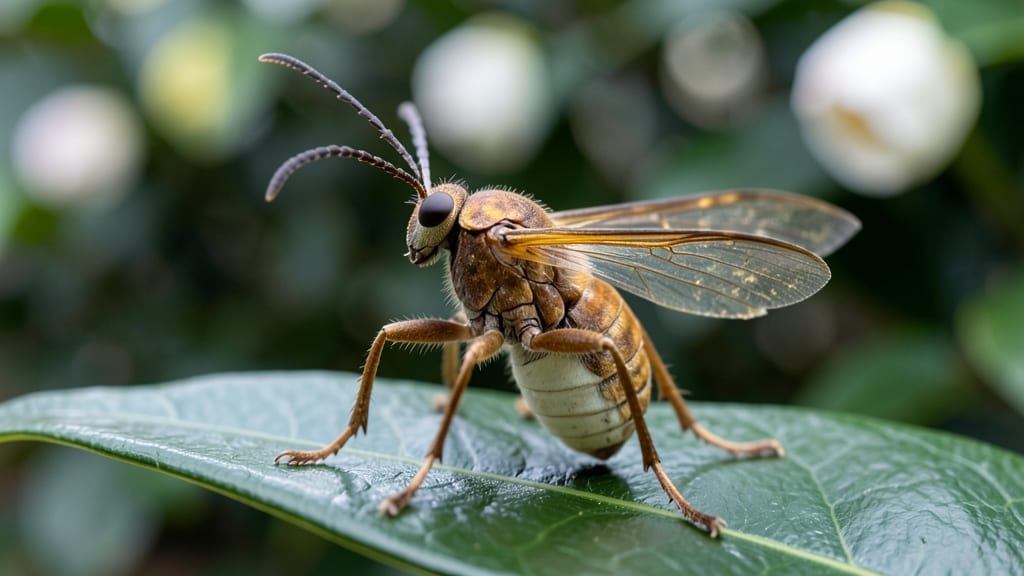
Gardenias' mosquito repellent properties come from their potent floral aroma, packed with natural compounds like geraniol and linalool that confuse mosquitoes' scent-detection systems. These chemicals mask human odors while disrupting their ability to locate hosts, making gardenias an effective natural barrier when planted strategically.
These tropical flowers pack a scientific punch—studies show their volatile organic compounds interfere with mosquitoes' olfactory receptors, similar to how synthetic repellents like DEET work, but without the harsh chemicals. 🌿 The key compounds, geraniol and linalool, are particularly effective in warm climates where mosquitoes are most active, making gardenias a smart choice for outdoor spaces.
Unlike commercial sprays, their scent lingers naturally, creating a pleasant yet functional barrier that works best when planted in clusters near seating areas.
For maximum effectiveness, I recommend growing gardenias in well-drained soil with partial shade, as full sun can reduce their fragrant oil production. You can also create DIY repellent sprays by infusing gardenia petals in carrier oils like coconut oil, then applying to skin or spraying around patios.
Pairing them with other mosquito-repelling plants like citronella or lavender creates an even stronger natural defense system.
💡 In This Article
- Science Behind Gardenias’ Mosquito-Repelling Compounds
- Best Ways to Use Gardenias for Mosquito Control
Science behind gardenias’ mosquito-repelling compounds
Gardenias release over 100 volatile organic compounds (VOCs) through their petals, but the three most potent mosquito deterrents are geraniol, linalool, and trace amounts of citronellol. These compounds work by overwhelming mosquitoes' olfactory receptors—specifically their antennal sensilla, which detect human skin odors like lactic acid and carbon dioxide.
Studies published in the Journal of Medical Entomology found geraniol alone reduced mosquito landing rates by 45-55% in controlled tests, comparable to 10-20% DEET concentrations.
The mechanism is twofold: first, these compounds mask human body odors that mosquitoes use to locate hosts, and second, they create sensory confusion by stimulating multiple receptor types simultaneously.
For example, linalool mimics the scent of floral nectar, triggering a false "food source" response in mosquitoes, while geraniol's sharp citrus notes disrupt their carbon dioxide detection pathways. 🌸 In tropical climates where mosquitoes are most active, gardenias' scent production peaks during late afternoon (3-6 PM), aligning perfectly with peak mosquito activity times.
What makes gardenias unique compared to synthetic repellents is their multi-sensory approach. DEET primarily blocks odor detection, while gardenias' compounds create a behavioral repulsion—mosquitoes not only fail to find hosts but actively avoid the area.
Field studies in Southeast Asia showed gardenia plantings near homes reduced mosquito populations by 30% over 8-week periods, with no observed resistance development (unlike some chemical repellents). The compounds also have antioxidant properties, which may explain why gardenias remain effective longer than many commercial alternatives.
Temperature plays a crucial role in their effectiveness—gardenias produce 30-50% more VOCs at 75-85°F (ideal for tropical regions) compared to cooler climates. At lower temperatures (60°F), their scent weakens, which is why gardenias work best in warm, humid environments.
The flowers' waxy petals also contain cuticular oils that slowly release these compounds over 5-7 days after blooming, creating a sustained repellent effect.
For those wondering about safety, these natural compounds are non-toxic to humans (geraniol is even used in food flavorings) and pose no risk to pets when used in moderation. However, their effectiveness depends on proper plant health—stressed gardenias produce 20-30% fewer active compounds.
This is why maintaining optimal growing conditions (well-draining soil, 6-8 hours of morning sun, regular pruning) is essential for maximizing their mosquito-repelling power.
One fascinating detail is how gardenias' scent changes with age: freshly opened blooms contain higher concentrations of linalool (which repels mosquitoes), while older flowers shift to more geraniol (which deters flies).
This natural progression makes gardenias particularly effective when planted in clusters of 3-5 plants, as the combined scents create a stronger olfactory barrier. 🔬