Watering
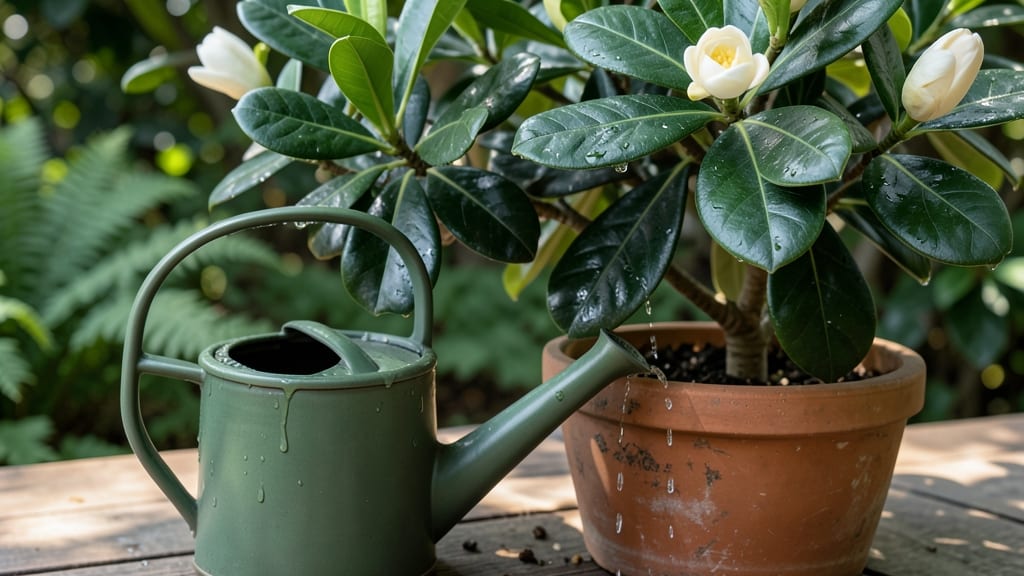
Watering a gardenia plant correctly is the key to those fragrant, glossy blooms you’ve been dreaming of—because too much or too little water turns its leaves yellow or crispy before you even notice.
Picture this: your gardenia 🌸 sits on the windowsill, looking lush one day and wilting the next, even though you sweared you watered it enough. The truth? Gardenias hate soggy roots but also can’t handle dry spells, and most of us fall somewhere in between.
Here’s the science-backed routine to keep your plant thriving without the guesswork.
You’ll learn the exact watering schedule for each season, how to check soil moisture like a pro, and why morning watering beats evening soaks. No more overwatering drama or underwatering stress—just consistent, fragrant blooms all season long.
From deep-soaking techniques to spotting early signs of trouble, this guide covers everything you need to master your gardenia’s hydration. Let’s get those roots happy and those flowers popping!


The perfect watering schedule for gardenia plants: when and how much
Gardenia plants thrive on consistency, but their watering needs shift dramatically with the seasons. Unlike drought-tolerant succulents, gardenias demand moist but never soggy soil to fuel their fragrant blooms. The key? Understanding when to water based on temperature, humidity, and soil type—not just a rigid schedule.
In my experience, a mature gardenia in summer heat might need watering every 2-3 days, while the same plant in winter dormancy could survive on just bi-weekly light watering.
Start by checking the top 2 inches of soil—if it feels dry to the touch, it’s time to water. Gardenias hate waterlogged roots, which can lead to yellowing leaves or worse, root rot.
I’ve learned the hard way that morning watering (before 10 AM) is ideal—it reduces evaporation and fungal risks. Avoid evening watering, as damp foliage overnight invites powdery mildew, a common gardenia nemesis.
Here’s the seasonal watering breakdown I follow for my gardenias, tailored to USDA Zone 6a (adjust for your climate):
Young gardenias (under 2 years old) need more frequent watering than mature plants because their root systems are still developing. I water mine every 2-3 days in summer, even if the soil seems moist, to encourage root growth.
For potted gardenias, check the weight of the pot—if it’s light, it’s time to water. A pro tip: Use room-temperature water to avoid shocking the roots, especially in winter.
Adjust your schedule based on container size too. A 5-gallon pot will dry out faster than a 10-gallon planter, so scale watering accordingly. I’ve found that gardenias in clay pots dry out quicker than those in plastic or ceramic, so I water clay pots more frequently.
If your gardenia is in acidic, well-draining soil (pH 5.0-6.5), it’ll hold moisture better than poor soil, reducing your watering frequency.
One common mistake I see is watering on a strict schedule without checking soil moisture. Instead, use the "finger test": Stick your index finger 2 inches into the soil. If it feels dry, water thoroughly until you see moisture seep from the drainage holes. Overwatering is just as harmful
Signs your gardenia is thirsty (or drowned): troubleshooting watering mistakes
Your gardenia plant might be silently screaming for help—either begging for a drink or drowning in your well-intentioned watering. The key is spotting the subtle visual cues and tactile clues that reveal whether your plant is underwatered or overwatered.
Let’s decode the signs so you can rescue your fragrant beauty before it’s too late.
Start by checking the soil moisture. Stick your finger about 1 inch deep—if it feels dry, your gardenia needs water. But if it’s soggy or smells musty, you’ve likely overwatered. These early warning signs can save your plant from irreversible damage like root rot or leaf drop.
How to Water a Gardenia Plant: Pros & Cons
- Water in the morning (reduces fungal risk)
- Use room-temperature water (avoids shock)
- Check soil moisture before watering
- Ensure well-draining soil (prevents rot)
- Water at night (promotes mildew)
- Let soil stay waterlogged (causes rot)
- Use cold water (shocks roots)
- Ignore leaf discoloration (sign of stress)
If your gardenia leaves are turning yellow or brown at the edges, it’s likely a sign of overwatering. Meanwhile, crispy, dry leaves or dropping buds scream underwatering. Pay attention to the stem texture too—a mushy stem means rot, while a wrinkled trunk signals thirst.
Reviving an overwatered gardenia starts with stopping water immediately and repotting in fresh, dry soil. For an underwatered plant, give it a deep soak and place it in a humid environment (like a pebble tray) to recover. Consistency is key—gardenia plants thrive on a balanced moisture routine.
Pro tip: Use a moisture meter to avoid guesswork. These handy tools measure soil moisture accurately, so you’ll never have to wonder if your gardenia is thirsty or drowned. With the right care, your gardenia will reward you with glossy leaves and abundant blooms all season long.
Remember, gardenia plants are sensitive to watering extremes, so always err on the side of underwatering rather than overdoing it. A little patience and observation will keep your gardenia thriving for years to come. 🌸