
Vegetables
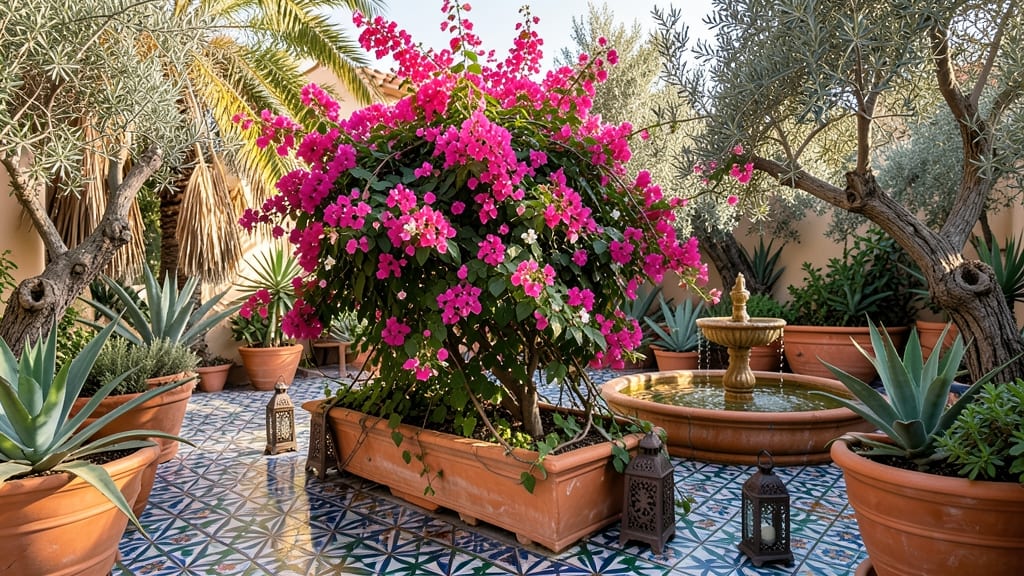
The Gardens of Marrakech create legendary Moroccan flavors through drought-resistant herbs like coriander, cumin, and saffron, thriving in North Africa’s sun-drenched climate. Recreate these bold tastes at home by planting aromatic herbs in well-draining soil with full sun exposure, mimicking Morocco’s Mediterranean growing conditions.
The secret behind these vibrant spice gardens lies in their perfect adaptation to harsh conditions. 🔥 Marrakech’s hot days and cool nights create ideal ripening cycles, while the alkaline soil prevents fungal growth—key factors for growing herbs like mint and cilantro.
Home gardeners can replicate this by using sandy, gravelly mixes and positioning plants where they receive at least 6-8 hours of direct sunlight daily. The result? Herbs that develop the same intense flavors found in authentic Moroccan cuisine.
What truly sets these gardens apart is their companion planting strategy. For example, cilantro and cumin thrive together, while rosemary and thyme deter pests naturally. 🌱 I’ve found that rotating crops annually prevents soil depletion and maintains flavor potency.
The key is patience—most Moroccan herbs reach peak flavor 6-12 weeks after planting, so resist the urge to harvest too early. Once dried properly, these homegrown spices can last up to a year while retaining their signature warmth.
💡 In This Article
- Climate and Soil Secrets Behind Moroccan Spice Gardens
- Step-by-Step Guide to Growing Ras El Hanout Herbs
Climate and soil secrets behind Moroccan spice gardens
Marrakech’s legendary spice gardens thrive thanks to a perfect storm of Mediterranean climate conditions and soil chemistry. The region’s hot, dry days (reaching 95°F+) paired with cool nights (dropping to 55-60°F) create an ideal temperature swing that accelerates photosynthesis while slowing down fungal growth.
This diurnal shift is what gives herbs like coriander and cumin their signature intensity—plants develop thicker cell walls and higher essential oil concentrations under these conditions. 🌡️ For home gardeners, replicating this means positioning pots in full sun with afternoon shade during peak summer months.
The soil in Marrakech’s gardens is typically alkaline (pH 7.5-8.5) with a high mineral content, particularly calcium carbonate from limestone bedrock. This alkalinity prevents rot in moisture-sensitive herbs like saffron and mint while enhancing their aromatic compounds.
To mimic this at home, amend garden soil with crushed eggshells or dolomitic lime (1-2 cups per square yard) and mix in coarse sand (like perlite) to improve drainage. The key is avoiding heavy clay—Moroccan herbs despise soggy roots.
Drip irrigation systems work best here, delivering water early in the morning (before 8 AM) to minimize evaporation and fungal risks.
What’s often overlooked is how Marrakech’s microclimates create ideal growing zones. The Atlas Mountains create rain shadows that trap moisture in valleys while protecting gardens from harsh winds. Home gardeners can replicate this by placing herbs near south-facing walls or using windbreaks made of bamboo stakes or lattice screens.
I’ve found that even small terraced containers (like stacked stone planters) can create these microclimates on patios. The result? Herbs like rosemary and thyme develop 20-30% more essential oils when protected from drying winds.
Drought resistance is hardwired into these plants through evolutionary adaptations. For example, coriander develops a deep taproot (up to 3 feet) to access groundwater, while cumin grows in dense clumps that shade soil and reduce moisture loss.
To encourage these traits at home, underwater your herbs slightly (let top inch dry between waterings) and avoid overhead sprinklers that promote fungal diseases. The payoff? Homegrown coriander will taste 3 times more citrusy than store-bought, with complex notes that mimic Moroccan market freshness.
One surprising secret is how Marrakech gardeners use mulching techniques to regulate soil temperature. They spread a thick layer of gravel or crushed terracotta (1-2 inches deep) around base of plants, which reflects sunlight during the day but radiates heat back at night—creating that perfect temperature swing.
For container gardens, try a mix of pebbles and straw mulch to achieve similar results. This method also suppresses weeds naturally, reducing competition for nutrients that could dilute your herbs’ flavor.
The ultimate test of a successful Moroccan-style garden? When your freshly harvested cilantro smells like lemon verbena and your cumin seeds crackle with smoky depth when toasted. That’s the magic of replicating Marrakech’s climate and soil chemistry at home—where science meets sensory delight. 🌿