
Vegetables
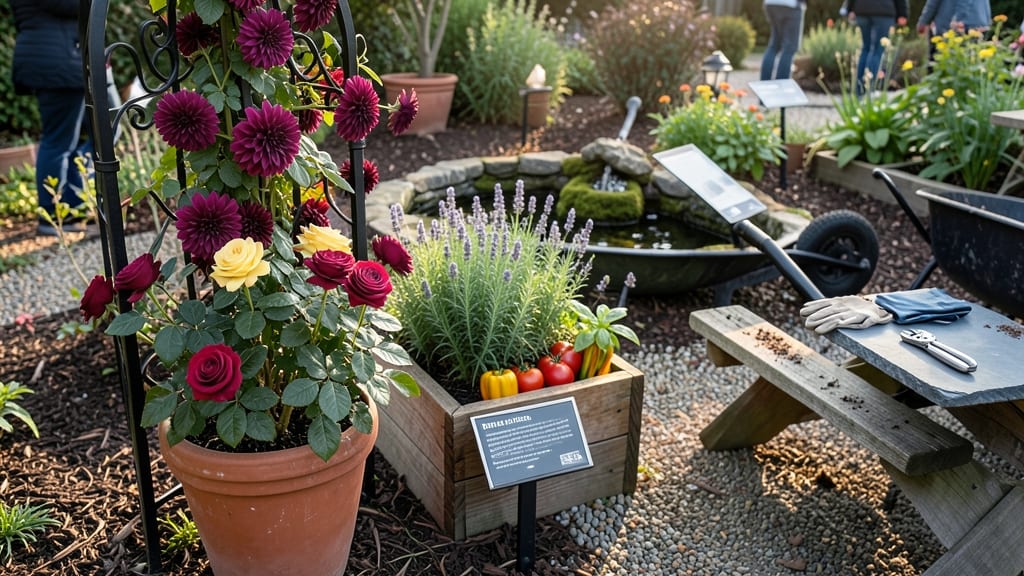
The Gardens World Show is an annual celebration of horticulture, offering breathtaking floral arrangements, hands-on gardening workshops led by industry experts, and exclusive plant demonstrations from renowned nurseries.
The Gardens World Show transforms into a vibrant hub for plant enthusiasts, blending artistic floral designs with practical gardening education. 🌿 This event isn't just about admiring beautiful gardens—it's an opportunity to learn from master gardeners, discover rare botanical treasures, and get inspired by cutting-edge sustainable practices.
Whether you're a seasoned horticulturist or a beginner with a green thumb, the show's diverse exhibits cater to all skill levels while showcasing the latest trends in garden design and plant care.
What sets this event apart is its focus on real-world applications. You'll find dedicated zones for container gardening, edible landscapes, and seasonal plant displays that you can replicate in your own backyard.
The workshops cover everything from pruning techniques to creating pollinator-friendly gardens, making it a valuable resource for anyone looking to elevate their gardening skills.
💡 In This Article
- Behind the Scenes: How Gardens World Show Curates Its Exhibits
- Top Must-See Gardens World Show Exhibits for Plant Lovers
Behind the scenes: how gardens world show curates its exhibits
The Gardens World Show transforms into a horticultural masterpiece through a meticulous selection process that blends artistry with science. Curators collaborate with botanical gardens, nurseries, and landscape designers to identify rare and visually striking plants that showcase biodiversity while meeting practical gardening needs.
This year, you'll see 150+ plant varieties carefully chosen for their seasonal appeal, including heirloom roses, drought-resistant succulents, and fragrant night-blooming jasmine—each selected for both aesthetic impact and ecological benefits.
Designer garden layouts follow a rigorous planning process that begins months in advance. Exhibits are designed to demonstrate sustainable practices like rainwater harvesting systems, permeable paving, and native plant ecosystems that support local wildlife.
For example, the 2024 pollinator garden features 30+ species of flowers that bloom sequentially to provide nectar from spring through fall, creating a continuous food source for bees and butterflies.
The show's horticultural team works with soil scientists to ensure each display uses locally adapted plants that thrive with minimal irrigation.
What makes the selection process unique is the emphasis on horticultural innovations that visitors can implement at home. This year's exhibits include vertical gardening systems using recycled materials, self-watering containers for urban spaces, and smart irrigation technology that reduces water usage by up to 40% compared to traditional methods.
The show's partnerships with research institutions ensure these technologies are both practical and scientifically validated, giving attendees actionable solutions for modern gardening challenges.
Sustainability isn't just a theme—it's a core principle that influences every aspect of the show's design. Exhibits demonstrate closed-loop systems where plant waste is composted on-site, and water is recycled through biofiltration.
The edible garden section, for instance, shows how to grow 50+ varieties of vegetables in a 100-square-foot space using square-foot gardening techniques, proving that urban gardening can be both productive and beautiful.
This holistic approach makes the Gardens World Show not just a visual spectacle, but a living laboratory for sustainable living.
The show's educational component is equally impressive. Behind-the-scenes tours reveal how expert horticulturists prepare plants for transport, ensuring they arrive in perfect condition. You'll learn about the acclimatization process for tropical plants, which involves gradual exposure to temperature changes over 7-10 days before they're displayed.
This careful handling explains why the show's plants often look fresher than those in commercial nurseries, with vibrant foliage and blooms that continue to open throughout the event.
For those interested in the science behind the beauty, the show features interactive demonstration gardens where visitors can see firsthand how plants respond to different growing conditions.
For example, the shade garden exhibit compares how hostas, ferns, and impatiens thrive under 30-50% light conditions, with sensors showing real-time soil moisture levels.
These practical demonstrations help gardeners understand how to replicate these conditions in their own spaces, whether they're dealing with a shady courtyard or a bright windowsill.
What truly sets the Gardens World Show apart is its ability to balance awe-inspiring displays with practical knowledge.
The curation team works closely with plant breeders to showcase new varieties that offer improved disease resistance or longer bloom times—like the new 'Sunburst' hydrangea, which maintains its color for 8-10 weeks instead of the typical 4-6 weeks.
This focus on innovation ensures that every exhibit has both artistic merit and real-world value for attendees looking to enhance their own gardens.