
Blooming
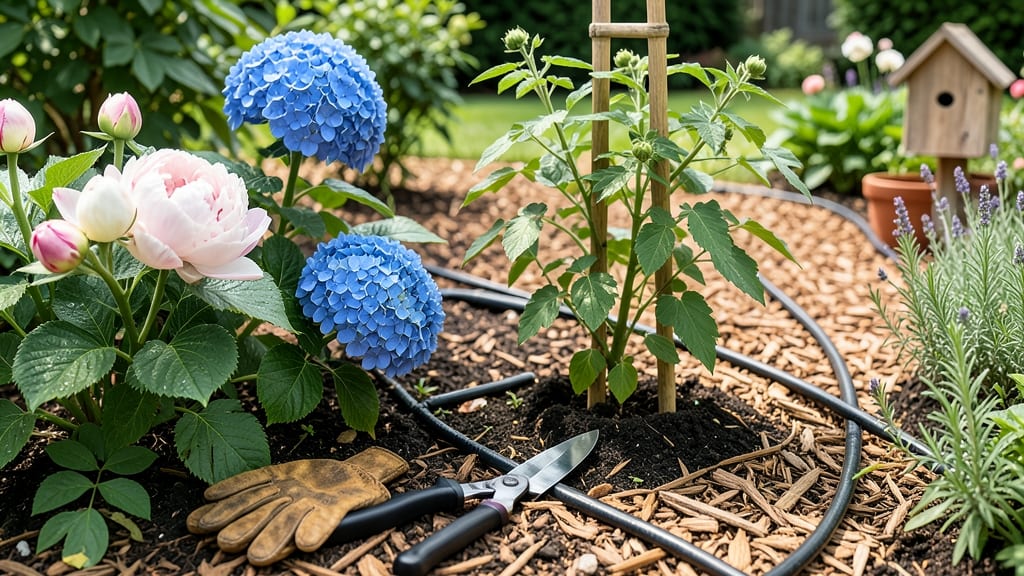
Long Island gardening zones span USDA Hardiness Zones 7a to 8b, creating ideal conditions for growing tomatoes, peppers, and cold-resistant greens year-round. Coastal areas tend to be warmer, while inland regions may experience slightly cooler temperatures.
Understanding your exact zone helps you choose the right plants for your Long Island garden. 🌱 Coastal areas like the South Shore often reach Zone 8b, allowing tropical plants like hibiscus to thrive, while the North Fork's higher elevation might dip into Zone 7a. The temperature differences between summer highs and winter lows can be dramatic—sometimes over 100°F—so selecting varieties that match your microclimate is key to success.
This zone range makes Long Island one of the best places in the Northeast for extended growing seasons. With proper planning, you can enjoy fresh produce from early spring through late fall.
For example, while tomatoes flourish in summer, cold-hardy kale and spinach can be harvested well into winter with minimal protection.
💡 In This Article
- Understanding Long Island’s Plant Hardiness Zones 7a-8b
- Best Year-Round Crops for Long Island Gardens
Understanding Long Island’s plant hardiness zones 7a-8b
The USDA Plant Hardiness Zone Map divides Long Island into zones based on average annual minimum temperatures, with 7a being the coldest (-15°F to -10°F) and 8b the warmest (15°F to 20°F).
Coastal areas like Montauk and the South Shore typically reach 8b, benefiting from the ocean's heat-retaining properties, while higher elevations in the North Fork or central areas may fall into 7a due to cooler nighttime temperatures.
This 10°F difference can mean the difference between a thriving garden and a struggling one.
What makes Long Island unique is its dramatic seasonal swings—summer highs can hit 90°F+ while winter lows may drop to 10°F or lower. This variation creates microclimates where a single block can have different growing conditions.
For instance, a south-facing slope might be 2-3°F warmer than a north-facing yard, allowing you to grow slightly more tender plants. 🌡️ The USDA zone map helps, but local conditions often require adjustments—like choosing early-maturing varieties for cooler areas or heat-tolerant plants for exposed spots.
Using the zone map effectively means matching plants to your specific conditions. For example, Zone 8b areas can support year-round citrus trees (like Meyer lemons), while Zone 7a gardens need cold-hardy alternatives like figs or hardy kiwi.
The map also explains why some plants thrive in one part of the island but struggle just a few miles away. For instance, while tomatoes love the 8b heat, they may need extra protection in 7a areas during late summer heatwaves.
Beyond the base zone, other factors like soil type, wind exposure, and proximity to water bodies further refine growing conditions. Sandy soils common in coastal areas drain quickly, requiring irrigation for thirsty plants like peppers, while clay-heavy inland soils retain moisture longer.
Wind from the Atlantic can chill coastal gardens faster in winter, so windbreaks or raised beds help mitigate temperature extremes. These nuances mean that even within the same zone, your garden might need tailored approaches.
For practical application, start by identifying your exact zone using the USDA Interactive Map, then cross-reference with local gardeners' experiences. For example, while the map suggests Zone 8b for Montauk, gardeners there often report needing to protect tender plants during unexpected cold snaps.
This real-world data helps bridge the gap between theory and your backyard's unique conditions.
Understanding these zones isn't just about survival—it's about optimizing your garden. In Zone 8b, you can experiment with subtropical plants like bougainvillea, while Zone 7a gardeners might focus on cold-resistant varieties of apples or pears.
The key is balancing the map's guidelines with your specific microclimate to create a thriving, productive garden year-round. 🌿