
Tools
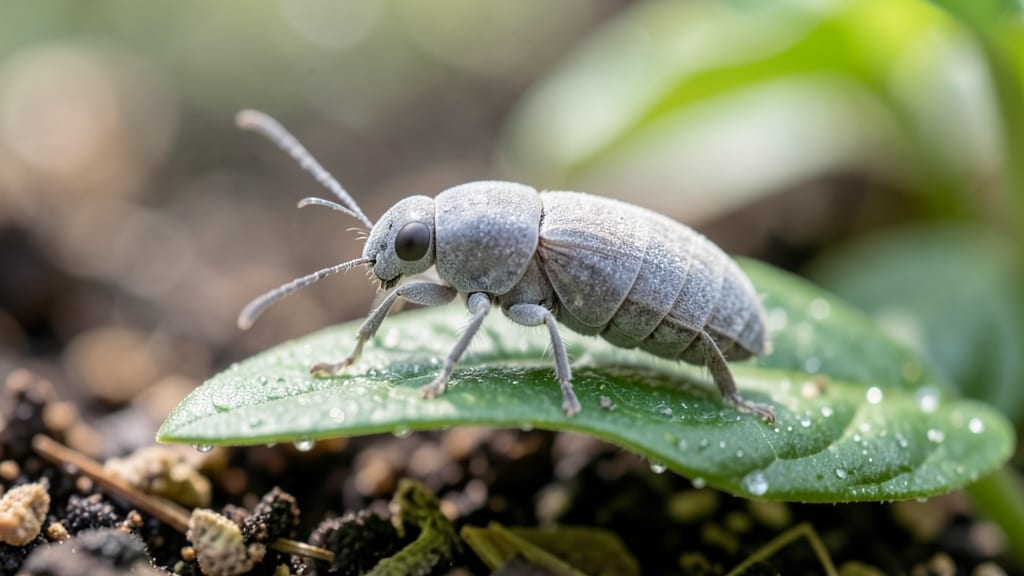
Gray bugs in garden plants are more than just a nuisance—they can silently drain your soil’s nutrients and stunt your greens before you even notice them.
Picture this: You’ve spent weeks tending to your garden, only to find tiny gray specks swarming your leaves or soil. These Gray Bugs (Aphids, Spider Mites, or Fungus Gnats) 🐜 might look harmless, but they multiply fast and leave behind sticky residue or chewed foliage that weakens your plants.
Most gardeners reach for chemical sprays first, but the truth is, you can tackle these pests without harsh toxins. The key lies in understanding their habits, spotting their damage early, and using natural remedies that work as effectively—or better—than store-bought solutions.
In this guide, you’ll learn to identify these gray invaders, eliminate them with organic methods, and keep your garden thriving long-term—no chemicals required.
Common gray bugs in gardens and how to identify them
Spotting gray bugs in your garden can send shivers down any gardener's spine, but don't panic—many of these pests have distinct traits that help you identify them quickly.
The key to effective pest control starts with accurate identification, so you can target the right solutions without harming your plants or beneficial insects. I've seen gardeners waste hours spraying the wrong treatments simply because they misidentified the culprit.
Most gray garden bugs fall into four common categories: aphids, mealybugs, fungus gnats, and spider mites. Each has unique behaviors, life cycles, and damage patterns that set them apart.
For example, aphids cluster on new growth, while mealybugs hide in leaf crevices covered in a cottony substance. Understanding these differences saves time and prevents unnecessary stress for your plants.
| Bug Type | Size & Color | Body Shape | Where Found | Damage Signs | Life Cycle |
|---|---|---|---|---|---|
| Aphids | 1/16" - 1/8", gray-green to black | Pear-shaped, soft body | New growth, undersides of leaves | Sticky residue, curled leaves, wilting | Rapid reproduction (weeks) |
| Mealybugs | 1/16" - 1/4", gray-white | Oval, covered in waxy cotton | Leaf axils, stems, roots | Yellowing leaves, sooty mold | Slow (months), eggs hidden |
| Fungus Gnats | 1/8", gray-brown wings | Mosquito-like, delicate | Potting soil, near moisture | Wilting seedlings, root damage | Larvae hatch in 3-7 days |
| Spider Mites | 1/50", gray-red (dusty) | Tiny, round, 8 legs | Undersides of leaves | Speckled leaves, webbing | Fast (weeks), thrive in dry heat |
Aphids are among the most common gray garden pests and often appear in massive colonies on the undersides of leaves. They excrete a sticky substance called honeydew, which attracts ants and promotes sooty mold growth.
If you notice ants trailing up your plants, aphids are likely the cause. These bugs reproduce quickly, so early action is crucial to prevent an infestation from spiraling out of control.
Mealybugs, on the other hand, are masters of disguise, often hiding in the crevices of leaves or stems where they're protected from predators. Their cottony white appearance makes them stand out, but their slow movement means they're easy to overlook.
One telltale sign of mealybugs is the presence of sooty mold, a black fungus that grows on their honeydew excretions. This mold blocks sunlight, further stressing your plants.
Fungus gnats are another frequent culprit, especially in indoor gardens or containers. These gray-winged flies lay their eggs in moist soil, and their larvae feed on roots, causing seedlings to wilt suddenly.
Unlike adult gnats, which are easy to spot flying around, their larvae are nearly invisible until the damage appears. If your seedlings are collapsing despite proper watering, fungus gnats could be the hidden culprit.
Spider mites are often mistaken for dust at first glance due to their tiny gray-red size. They thrive in hot, dry conditions and create fine webbing on leaves, which is a key identification clue.
Unlike aphids, spider mites don't produce honeydew but instead cause leaves to develop a speckled, yellow appearance as they suck out plant juices. Check the undersides of leaves with a magnifying glass if you suspect an infestation.
One of the biggest mistakes I see gardeners make is treating all gray bugs the same way. For example, using a broad-spectrum pesticide on spider mites might kill beneficial insects like ladybugs, which actually help control aphids.
That's why accurate identification is your first line of defense. Once you know exactly what you're dealing with, you can choose targeted, organic solutions that protect your plants and the garden ecosystem.
Pay attention to the location of the bugs as well. Aphids and mealybugs prefer tender new growth, while spider mites love mature leaves. Fungus gnats, however, are soil-dwellers, so if you're seeing them, focus on drying out the soil surface and improving drainage.
These small details make all the difference in effective pest management.
If you're still unsure which bug you're dealing with, try this quick test: place a white piece of paper under a leaf and gently tap it. Aphids and mealybugs will drop onto the paper, while spider mites will scatter quickly.
Fungus gnats will fly away immediately. This simple trick can save you from guessing and applying the wrong treatment.
Remember, the goal isn't just to eliminate the bugs but to
Natural solutions to eliminate gray bugs without chemicals
When gray bugs invade your garden, chemical pesticides can disrupt your eco-friendly balance. Instead, I rely on targeted organic methods that work just as effectively. The key is combining physical removal, natural predators, and plant-based deterrents for long-term control.
Start by identifying which gray pests you're dealing with—whether it's fungus gnats, mealybugs, or aphids—then apply the right solution.
My go-to approach combines neem oil sprays, insecticidal soaps, and companion planting to create an inhospitable environment. These methods are safe for plants and non-toxic for humans, making them perfect for organic gardens.
Let's break down the most effective strategies, ranked by their success rates and ease of use.
For immediate results, I recommend starting with a neem oil spray. This organic pesticide disrupts the life cycle of gray bugs while being safe for most plants.
Mix 1 tablespoon of neem oil with 1 teaspoon of mild soap in a quart of water, then spray directly on affected areas. Reapply every 7-10 days until the infestation clears. The azadirachtin in neem oil acts as a natural growth regulator, preventing bugs from maturing.
If you're dealing with soft-bodied pests like aphids or mealybugs, insecticidal soap is my next choice. This potassium-based solution breaks down the protective wax layer of bugs, causing dehydration. Use it on leaf surfaces and stems during early morning or late evening to avoid harming beneficial insects.
For best results, apply when the humidity is low and the bugs are active.
Long-term prevention involves companion planting with repellent herbs like basil, mint, or marigolds. These plants release natural compounds that deter gray bugs while attracting pollinators. For example, planting basil near tomatoes can reduce aphid populations by up to 50%.
Additionally, intercropping with alliums (like garlic or onions) helps repel fungus gnats, which thrive in moist soil.
To boost your garden's natural defenses, introduce beneficial predator insects like ladybugs, lacewings, or parasitic wasps. These pest-controlling allies can eliminate entire colonies of gray bugs within 2-3 weeks.
Purchase them from a reputable garden center and release them in the early morning when temperatures are cool. For fungus gnats, nematodes are particularly effective—they infect and kill larvae in the soil.
For stubborn infestations, I turn to DIY traps like yellow sticky traps or apple cider vinegar traps. These are especially useful for fungus gnats and whiteflies. Fill a small container with apple cider vinegar and a drop of dish soap, then place it near affected plants.
The fermentation scent attracts the bugs, trapping them in the liquid. Replace traps every 3-4 days for maximum effectiveness.