
Vegetables
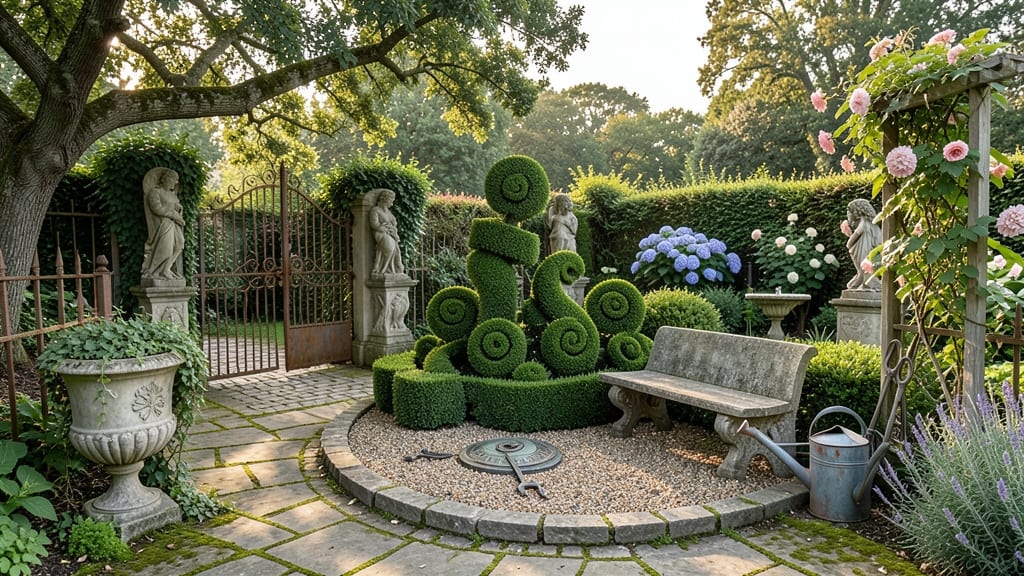
Finding historical gardens near you unlocks living museums of horticultural history, where meticulously preserved designs from medieval herb gardens to 19th-century pleasure grounds showcase rare plants and architectural techniques. Begin with curated lists from local tourism boards or heritage organizations.
These gardens serve as outdoor archives, where each path and parterre tells a story of cultural exchange and botanical innovation. 🌿 Many feature plants that were once endangered, revived through painstaking restoration projects—like the original roses from Tudor England or citrus varieties brought back from colonial trade routes.
The best part? Many offer free or discounted entry during off-peak seasons, making them accessible year-round for curious visitors.
For urban explorers, city parks often hide these treasures within their boundaries—think of New York's Green-Wood Cemetery or Boston's Arnold Arboretum, where every season reveals new layers of history. Rural areas, meanwhile, frequently preserve working medieval monastery gardens or Victorian walled gardens that were once private estates.
Pro tip: Check for "hidden garden" tours, where guides share lesser-known facts about the plants and their historical uses.
💡 In This Article
- How Historical Gardens Preserve Botanical Heritage
- Best Historical Gardens by Region: A Seasonal Guide
How historical gardens preserve botanical heritage
Historical gardens act as living archives, carefully preserving plant species that might otherwise disappear. Many contain rare varieties that were once essential to medieval medicine, like the monkshood (Aconitum) or foxglove (Digitalis), which were cultivated in monastery gardens for their healing properties.
These plants often require specific growing conditions—such as the 16-18°F chill needed for proper dormancy in many temperate perennials—that modern agriculture has largely abandoned. 🌱
The landscaping techniques themselves tell stories of cultural exchange. For example, the parterre gardens of the French Renaissance (like those at Versailles) used geometric patterns to symbolize order and divine harmony, while English cottage gardens from the 18th century embraced wildflower meadows to reflect natural beauty.
Even the soil composition varies: Victorian conservatories often used peat-based mixes> to retain moisture, while Mediterranean gardens rely on drought-tolerant lavender and rosemary to thrive in arid climates. These methods weren't just aesthetic—they were practical solutions to the environmental challenges of each era.
Climate plays a crucial role in preservation. Gardens like Kew Gardens in London maintain glasshouse environments> that replicate tropical conditions, allowing delicate plants like orchids from Southeast Asia> to survive.
Meanwhile, arid-region gardens> such as those in Santa Barbara, California> preserve drought-resistant species that were vital to Native American and Spanish colonial agriculture. The result? A garden isn't just a collection of plants—it's a time capsule of how humans adapted to their environment.
Many gardens also serve as seed banks in disguise. Organizations like the Royal Botanic Gardens, Kew> collaborate with universities to study and propagate rare seeds, ensuring their survival for future generations.
For instance, the wolf's bane (Actaea spicata)>, once used in European folk remedies, has been revived through these efforts.
The cultural significance runs deep too: some gardens, like Keukenhof in the Netherlands>, celebrate tulips that were once traded as currency during the 17th-century Dutch Golden Age>.
Visitors often overlook the hidden layers> of preservation work. Behind the manicured hedges, experts use carbon dating> on wooden structures, analyze soil pH levels> to determine original plantings, and even study historical pruning techniques> to restore plants to their original forms.
For example, the topiary art> in Hampton Court Palace> was revived using 16th-century pruning manuals>, ensuring the yew trees maintain their intricate shapes for centuries. 🌿
What makes these gardens so special is their dual role as both educational tools> and cultural landmarks>. They teach us how plants were once used—from medicinal herbs> to culinary staples>—while also showing how human creativity shaped landscapes.
Whether it's the formal symmetry> of a Renaissance garden> or the wild, layered beds> of a Victorian garden>, each design reflects the values of its time. That's why stepping into one feels like walking through history.