
How To
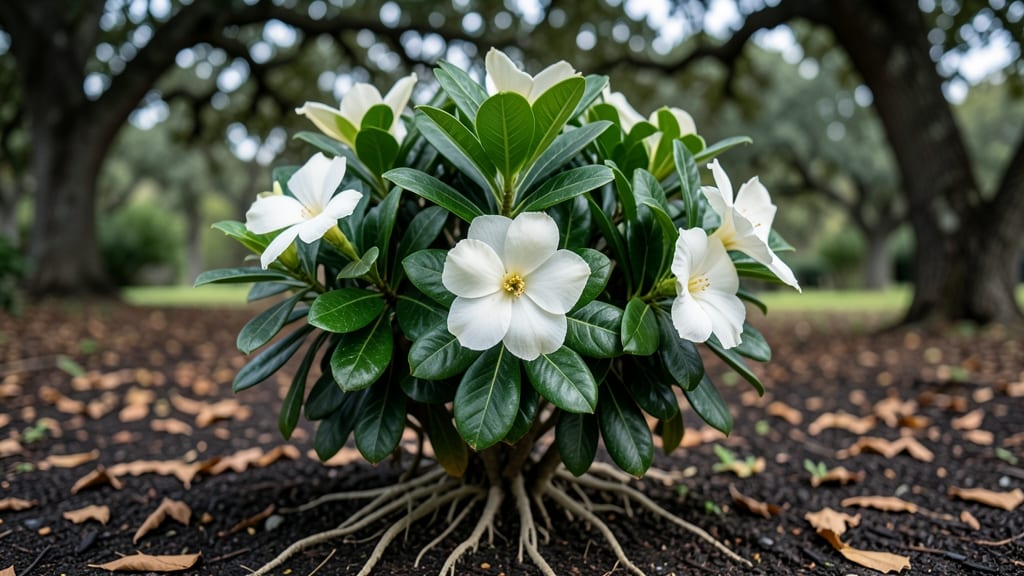
Gardenias grow anywhere from 2 to 6 feet tall, depending on the variety and growing conditions—so your space can easily accommodate these fragrant shrubs without turning into a jungle.
If you're dreaming of fragrant, glossy gardenias but worried they’ll overwhelm your yard, you’re not alone. Many gardeners hesitate before planting these tropical beauties because their size can vary wildly, from compact shrubs to towering specimens.
The good news? With the right variety and care, you can keep them at just the right height for your garden.
For example, the popular Gardenia jasminoides typically reaches 3 to 5 feet at maturity, while dwarf varieties like ‘Kleim’s Hardy’ stay under 3 feet. Meanwhile, larger types can stretch up to 6 feet if left unpruned.
Understanding these differences helps you pick the perfect fit for your landscape—whether you have a cozy patio or a sprawling backyard.
In this guide, I’ll break down the exact height ranges by variety, share tips for controlling their size, and recommend the best compact options for small spaces. You’ll leave here knowing exactly which gardenias will thrive in your garden—without taking over it.
Gardenia height ranges by variety: small, medium, and large options
Choosing a gardenia often comes down to one big question: how big do gardenias get? The answer varies dramatically depending on the variety, with some staying under 3 feet while others can reach 10 feet or more.
Understanding these differences helps you pick the perfect plant for your space, whether it's a small patio, large landscape, or even a container garden. Let’s explore the height ranges of popular gardenia varieties to help you make an informed decision.
Most gardenias fall into three broad categories: dwarf varieties (under 3 feet), medium shrubs (3-6 feet), and large or climbing types (6 feet and above). The Gardenia jasminoides, the most common species, includes both compact and towering options.
For example, the ‘Kleim’s Hardy’ stays modest, while ‘Radicans’ can climb like a vine. Knowing these distinctions ensures your gardenia thrives without overwhelming your yard.
Below, you’ll find a summary-table of mature heights for popular gardenia varieties, including their growth habits and ideal growing conditions. This visual guide makes it easy to compare sizes and choose the best fit for your garden design.
| Variety | Mature Height | Spread | Growth Habit | Best For |
|---|---|---|---|---|
| G. jasminoides ‘Kleim’s Hardy’ | 3–4 ft | 3–4 ft | Bushy, rounded | Small gardens, containers |
| G. jasminoides ‘Veitchii’ | 4–6 ft | 4–5 ft | Upright, dense | Medium landscapes, hedges |
| G. jasminoides ‘Radicans’ | 6–10 ft | 3–5 ft | Climbing vine | Trellises, large fences |
| G. jasminoides ‘Fortuniana’ | 2–3 ft | 2–3 ft | Compact, bushy | Containers, patios |
| G. augusta ‘Mystery’ | 5–8 ft | 4–6 ft | Tall, upright | Large gardens, privacy screens |
If you’re working with limited space, dwarf varieties like ‘Fortuniana’ or ‘Kleim’s Hardy’ are excellent choices. These stay under 3 feet and thrive in containers, making them perfect for balconies or small yards. Their compact growth also means less pruning, which is a bonus for busy gardeners.
For a bold statement, consider ‘Radicans’, which can climb to 10 feet and create a stunning vertical display when trained on a trellis or fence.
For medium-sized gardens, varieties like ‘Veitchii’ strike a balance with heights of 4–6 feet. These are ideal for foundation plantings or as focal points in mixed borders. Their upright growth habit adds structure without dominating the landscape.
If you’re aiming for a privacy screen or tall hedge, ‘Mystery’ gardenia reaches 5–8 feet and delivers abundant blooms year after year.
One factor that influences gardenia size is pruning practices. Regular pruning can encourage bushier growth in taller varieties, while neglect may lead to leggy, overgrown plants. For example, ‘Radicans’ can be pruned to stay under control if you’re not using it as a climbing plant.
Always prune after flowering to avoid cutting off next year’s blooms. Pair this with well-draining, acidic soil and partial shade to keep your gardenia thriving at its ideal size.
Another consideration is climate and sunlight. Gardenias prefer USDA Zones 7–10 and thrive in partial shade, especially in hotter regions. In cooler climates, varieties like ‘Kleim’s Hardy’ are more cold-hardy and can survive brief dips to 15°F.
If you’re in a warmer zone, provide afternoon shade to prevent leaf scorch, which can stress the plant and affect its growth pattern.
For container gardeners, choose dwarf or semi-dwarf varieties to maximize your space. A 5-gallon pot is ideal for ‘Fortuniana’, while larger containers (15+ gallons) can
How to control gardenia size: pruning and care tips for compact growth
Keeping your gardenia at a manageable size doesn’t mean sacrificing its stunning blooms or intoxicating fragrance. With the right pruning techniques and growth management strategies, you can encourage a bushier shape or keep it contained in containers.
The key lies in understanding when and how to prune, along with a few soil and nutrient adjustments that naturally slow or shape growth.
Gardenias naturally grow between 3 to 6 feet tall, but their spread can reach 4 to 6 feet wide if left unchecked. For small gardens or patio containers, you’ll need to intervene early.
Start by choosing the right variety for your space—dwarf types like ‘Kleim’s Hardy’ stay under 3 feet tall, while standard varieties can be trimmed back aggressively. Let’s break down the steps to keep your gardenia in check.
Step-by-Step Guide to Control Gardenia Size
-
Step 1: Prune After Blooming
Trim back spent flowers and overgrown branches in late summer or early fall. This encourages new growth in spring while preventing leggy stems.
-
Step 2: Shape with Light Pruning
Use clean, sharp shears to cut back 1/3 of the plant’s height in early spring. Focus on inner branches to improve airflow and reduce disease risk.
-
Step 3: Restrict Root Growth
For container gardenias, use a smaller pot (1-2 inches wider than the root ball) to slow growth. Repot every 2-3 years to refresh soil.
-
Step 4: Adjust Fertilizer for Slower Growth
Reduce nitrogen-rich fertilizers (like 10-10-10) and switch to a low-phosphorus blend (e.g., 5-5-5) to promote compact blooms over rapid foliage growth.
-
Step 5: Mulch Strategically
Apply a 2-inch layer of mulch (like pine bark) to retain moisture and suppress aggressive root spread. Avoid piling mulch against the stem to prevent rot.
Pruning isn’t just about cutting back—it’s about encouraging healthy growth patterns. Always use sterilized tools to prevent disease, and never remove more than 1/3 of the plant in a single session.
For container gardenias, prune more frequently (every 4-6 weeks) to maintain shape, while in-ground plants can tolerate annual pruning.
Soil acidity also plays a role in size control. Gardenias thrive in acidic soil (pH 5.0–6.5). If your soil is too alkaline, amend it with sulfur or peat moss to keep the plant from becoming stressed and leggy.
A simple soil test can reveal if adjustments are needed before planting.
Finally, light exposure affects growth habits. Too much direct sun can cause rapid, weak growth, while too little shade leads to sparse blooms. Aim for morning sun and afternoon shade to balance size and flowering.
With these techniques, your gardenia will stay lush, fragrant, and perfectly sized for your space.