
Watering
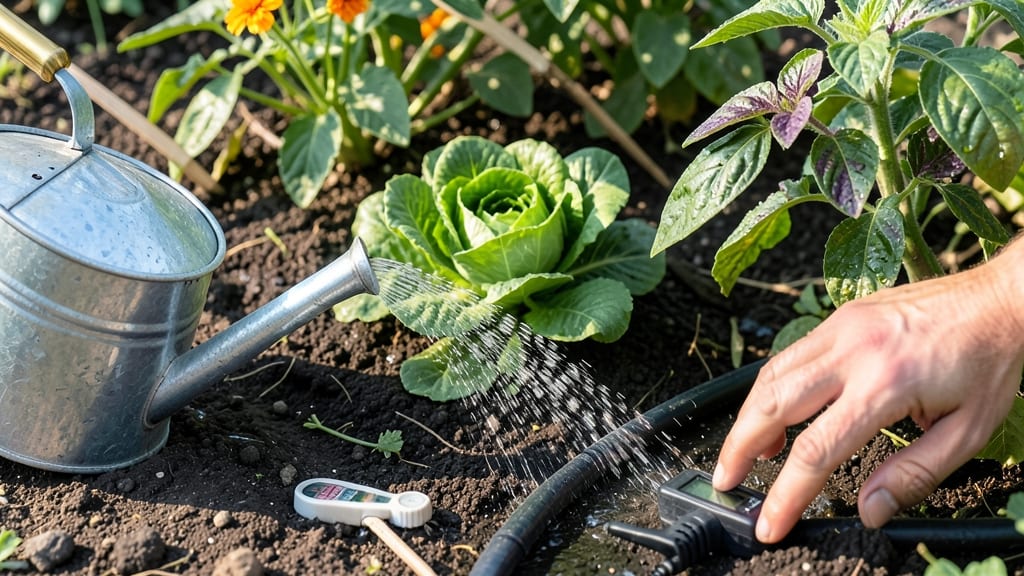
A garden needs the right amount of water to thrive, and guessing can mean the difference between lush greenery and sad, wilted plants.
Overwatering or underwatering your garden can turn lush green plants into crispy brown messes overnight—yet most gardeners guess rather than measure. The truth? Watering needs aren’t one-size-fits-all; soil type, plant species, and climate dictate the perfect balance.
In Zone 6a, where spring planting kicks off, the key is understanding how much water your garden actually absorbs. Sandy soil drains fast, while clay holds moisture for days—both extremes demand different approaches.
Below, I’ll break down how to read your soil, adjust for seasonal shifts, and keep your plants happy without wasting a drop.
You’ll learn the simple rules for daily watering, how to spot thirsty (or overwatered) plants, and why morning is always the best time to water. No more guesswork—just thriving gardens that grow strong from the start.


Soil type water requirements: how clay, sand, and loam demand different care
Your garden’s soil type is the single biggest factor in determining how much water your plants truly need. Clay soil holds moisture like a sponge, while sandy soil drains faster than a sieve. Even loamy soil—the gardener’s gold—has nuanced needs.
Ignoring these differences leads to either soggy roots or parched plants. Let’s break down how each soil type behaves and what it means for your watering routine.
Clay soil’s high water retention makes it a double-edged sword. While it keeps moisture for days, it also compacts easily, cutting off oxygen to roots. Plants like hostas and daylilies thrive here because they tolerate damp conditions, but succulents will rot within weeks.
On the flip side, sandy soil drains so quickly that water barely penetrates beyond the surface. Tomatoes and peppers need frequent, shallow watering to keep up with the runoff.
Loam—equal parts sand, silt, and clay—strikes the perfect balance. It drains well but retains enough moisture for most plants. Leafy greens like lettuce and kale love loam because it holds nutrients while allowing roots to breathe. Even new gardeners excel with loam because it forgives occasional watering mistakes.
🌱
To avoid guessing, perform a simple soil moisture test before watering. Stick your finger 2 inches deep—if it feels dry, it’s time to water. For clay soil, wait until the top 3 inches are dry, while sandy soil may need watering every 1-2 days in hot weather.
A moisture meter (or even a wooden skewer) can save your plants from over- or under-watering.
Amending your soil can also balance water retention. Mix in compost to improve clay’s drainage or add peat moss to sandy soil to hold moisture. For loam, focus on organic matter like leaf mold or well-rotted manure.
These tweaks create the ideal environment where roots get just the right amount of water—no more, no less.
Seasonal shifts also change watering needs. In summer, sandy soil may require daily watering, while clay soil might only need a deep soak every 5-7 days. Conversely, spring rains can turn loam into a swamp if you don’t adjust.
Always check the weather forecast—a week of 70°F+ heat will dry out sand in half the time it takes loam.
💧
Pro tip: Mulch is your best friend for soil-specific watering. A 3-inch layer of organic mulch (straw, wood chips, or shredded leaves) reduces evaporation by
The 5-5-5 rule: how to calculate daily watering needs based on plant type
Watering your garden isn’t about guessing—it’s about precision. The 5-5-5 rule simplifies watering by focusing on three key factors: depth, frequency, and timing. Whether you’re growing tomatoes, roses, or herbs, this rule ensures your plants thrive without waste.
Let’s break it down so you can water like a pro.
First, the 5-inch depth means watering until moisture reaches 5 inches deep into the soil. This encourages deep root growth, making plants more resilient. Use a screwdriver or trowel to check—if it slides in easily, you’ve hit the mark.
For vegetables like lettuce or flowers like marigolds, this depth keeps roots hydrated without drowning them.
- 💧 5 inches deep: Water until soil is moist 5 inches down (use a trowel to check).
- 🕒 5 days apart: Water every 5 days for most plants (adjust for drought or rain).
- ☀️ 5 AM timing: Water before 10 AM to reduce evaporation and fungal risks.
Next, the 5-day frequency is a starting point for most plants. However, seasonal adjustments are critical. In summer droughts, reduce to every 3 days for thirsty plants like peppers or zucchini.
In rainy climates, stretch it to 7 days and skip watering if the ground is soggy. Always check the top inch of soil—if it’s dry, it’s time to water.
Timing matters just as much as how much you water. The 5 AM rule means watering before 10 AM to let foliage dry quickly, preventing fungal diseases like powdery mildew.
Avoid evening watering, as damp leaves overnight invite pests. For container gardens, morning watering also prevents roots from overheating in plastic pots.
Tailor the rule to your garden’s needs. Succulents and lavender might only need water every 10 days, while newly planted shrubs may require daily watering for the first week.
Group plants with similar needs together to streamline your routine. A quick soil check with your finger (or a moisture meter) keeps you on track.
Mastering the 5-5-5 rule transforms watering from a guess into a science. Start with these basics, observe your plants’ responses, and adjust as needed. Soon, your garden will flourish with strong roots, vibrant blooms, and bountiful harvests—all thanks to the perfect watering balance.