
Plants
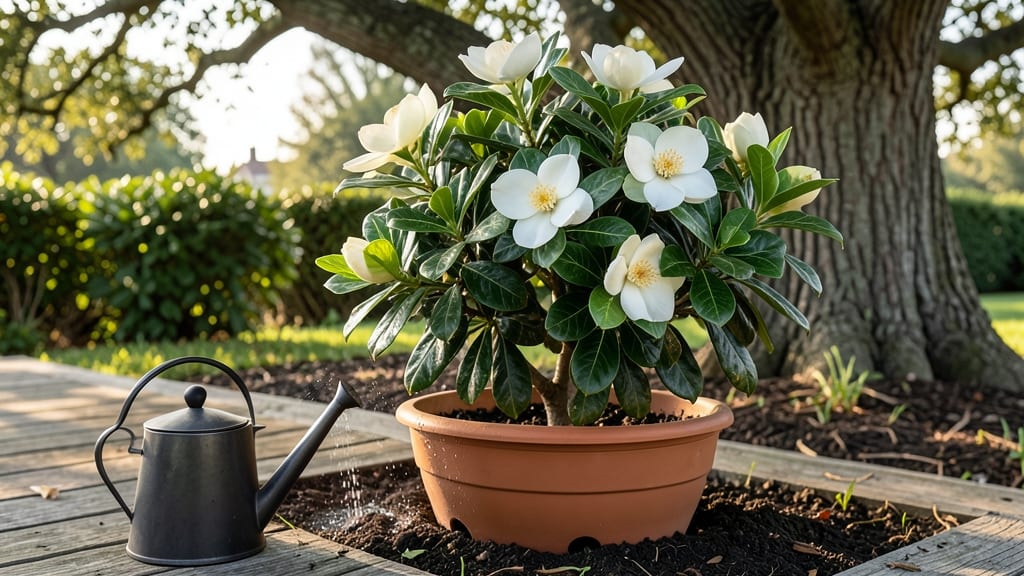
A gardenia plant needs watering that keeps its soil consistently moist but never soggy—the sweet spot for those fragrant blooms you love.
Struggling to keep your gardenia blooming beautifully while avoiding soggy roots? The right watering schedule is the secret weapon every gardenia owner needs—because too much or too little can mean the difference between vibrant flowers and a struggling plant.
Most gardeners overwater by default, thinking these tropical beauties crave constant moisture. But gardenias are picky: drown them, and you’ll get yellow leaves and root rot; underwater them, and those glossy leaves will curl up like parchment.
The key is deep, infrequent watering—think soaking the root zone until water runs out the drainage holes, then waiting until the top inch feels dry.
Below, I’ll break down the exact watering schedule by season, how to spot over- or underwatering before it’s too late, and pro tips to keep your gardenia thriving—without the guesswork.


Optimal watering schedule for gardenia plants by season
Gardenia plants thrive on consistent moisture but despise soggy roots—balancing these needs is key to keeping your plant blooming beautifully. Unlike drought-tolerant succulents, gardenias demand regular hydration, especially during their active growing months.
The challenge? Overwatering can lead to root rot and leaf drop, while underwatering causes buds to drop before blooming. Let’s break down the perfect seasonal watering schedule to keep your gardenia happy year-round.
Your gardenia’s water needs shift dramatically with the seasons. In spring and summer, when growth and blooming peak, you’ll water more frequently. But in fall and winter, the plant enters dormancy, requiring far less moisture.
The trick is monitoring soil moisture and adjusting based on temperature, humidity, and pot size. For example, a potted gardenia in full sun may need daily watering in July, while an in-ground plant in partial shade might only require water every 3-4 days during September.
Soil moisture checks are your best friend. Stick your finger about 1-2 inches deep into the soil—if it feels dry, it’s time to water. If it’s still damp, wait another day. Gardenias prefer consistently moist but well-draining soil, so avoid letting the soil dry out completely between waterings. Pro tip: Use a moisture meter for accuracy, especially if you’re new to gardening. Over time, you’ll develop a feel for when your gardenia is thirsty.
Environmental factors like humidity and temperature play a huge role in how often you water. In high-humidity climates, like Florida or Louisiana, gardenias may need less frequent watering because the air retains moisture longer.
Conversely, in dry, arid regions, like Arizona or California, you’ll need to water more often to compensate for rapid evaporation. Always adjust your schedule based on your local weather conditions—a heatwave can turn a "every other day" routine into a "daily" necessity overnight.
Now, let’s dive into the season-by-season breakdown of how much water your gardenia truly needs. This comparison table will give you a clear, at-a-glance guide to adjusting your watering routine throughout the year.
| Season | Watering Frequency | Water Depth | Best Time to Water | Soil Moisture Goal | Environmental Notes |
|---|---|---|---|---|---|
| Spring | Every 2-3 days | 1-2 inches deep | Morning (6-9 AM) | Consistently moist | Increase frequency as new growth appears |
| Summer | Daily or every other day | 1.5-2 inches deep | Early morning or late evening | Never let soil dry out completely | Monitor daily in extreme heat; mulch helps retain moisture |
| Fall | Every 3-4 days | 1 inch deep | Morning | Slightly drier than summer | Reduce as temperatures drop; prepare for dormancy |
| Winter | Bi-weekly (every 2 weeks) | 0.5-1 inch deep | Mid-morning | Minimal moisture; let topsoil dry slightly | Indoor plants may need less; outdoor plants in frost-free zones can stay on light schedule |
In spring, your gardenia will drink up water as it prepares for its blooming season. Start with every 2-3 days and adjust based on soil moisture. If you notice new leaves or buds forming, increase frequency slightly. The goal is to keep the soil evenly moist without waterlogging.
A good rule of thumb: If the top 1 inch of soil feels dry, it’s time to water. Spring is also a great time to mulch around your gardenia—this helps retain moisture and regulates soil temperature.
Summer is the most critical time for daily or every-other-day watering, especially if your gardenia is in a container. Pots dry out much faster than
Signs your gardenia is overwatered or underwatered (and how to fix it)
Gardenia plants 🌸 thrive on consistency, but their delicate roots can't handle extremes. I've seen gardeners lose beautiful blooms simply because they didn't recognize the subtle signs of improper watering. The key is understanding how your gardenia communicates its needs through its leaves, stems, and overall appearance.
Yellowing leaves are often the first clue, but they can mean either too much or too little water.
The difference lies in the leaf texture and plant structure. Overwatered gardenias develop mushy stems and drooping leaves that feel heavy, while underwatered plants show crispy edges and leaves that curl inward to conserve moisture.
Let me show you how to tell the difference and what to do about it. The first step is recognizing these warning signs before they become irreversible problems.
Gardenia plants require consistently moist soil but hate soggy roots. Aim for 1-1.5 inches of water per week during growing season, adjusting for heat and humidity. Morning watering prevents fungal issues while allowing excess moisture to evaporate.
Test soil moisture by sticking your finger 2 inches deep—if it's dry, water thoroughly until water drains from the bottom. Potted gardenias need more frequent watering than in-ground plants.
When your gardenia shows signs of overwatering, like yellow leaves with brown spots or a foul smell from the soil, act fast. First, stop watering completely for 3-5 days to let the roots recover.
Then repot the plant in fresh, well-draining acidic soil (pH 5.0-6.5) mixed with perlite or sand to improve drainage.
For underwatered gardenias, the recovery process is simpler. Water deeply until you see moisture emerge from the drainage holes, then let the top 1-2 inches of soil dry out between waterings.
A good rule of thumb is to water when the plant starts to wilt slightly—this prevents chronic dehydration while keeping roots healthy.
Remember that seasonal changes affect watering needs dramatically. In summer heat, you may need to water daily, while winter dormancy requires only bi-weekly watering. Always check the soil moisture before watering—your gardenia's health depends on this simple habit.
One final tip: if you're unsure whether your gardenia needs water, lift the pot. A dry pot means it's time to water, while a heavy pot indicates it still has enough moisture. This quick check saves countless gardenias from water-related stress every year.