
How To
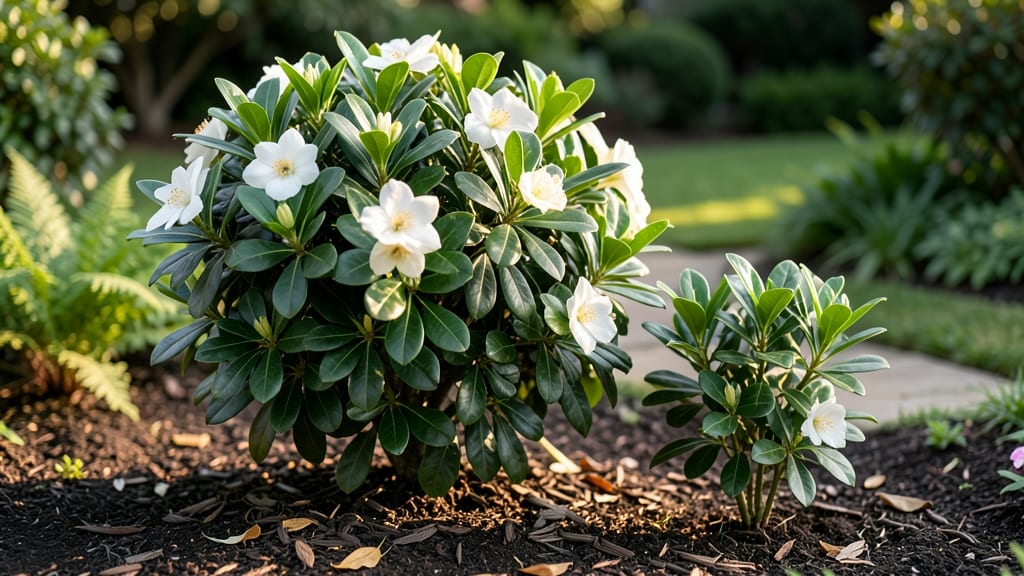
Gardenia plants grow between 2 and 6 feet tall at maturity, depending on the variety and growing conditions, making them a versatile choice for both containers and landscape beds.
If you’re dreaming of fragrant, creamy-white blooms but wondering whether gardenias will overwhelm your garden space, you’re not alone—many gardeners hesitate before planting these tropical favorites. Understanding their mature height and spacing needs is key to growing them successfully, whether you’re cultivating them in containers or landscape beds.
The most common type, Gardenia jasminoides 🌸, typically reaches 4 to 6 feet when grown outdoors, while dwarf varieties like ‘Radicans’ stay compact at just 1 to 2 feet. Pruning can also influence their height, allowing you to shape them into smaller shrubs or encourage bushier growth.
In this guide, I’ll break down how tall different gardenia varieties grow, share spacing tips for healthy plants, and explain how climate and pruning affect their size—so you can plan your garden layout with confidence.


Gardenia height by variety: from compact to towering shrubs
Choosing the right gardenia variety isn’t just about fragrance—it’s about height control to fit your space. Some varieties stay compact enough for container gardening, while others grow into small trees that need landscape planning.
The Gardenia jasminoides species alone offers height variations from 1 to 10 feet, so let’s explore the most popular types and their mature sizes.
For small gardens or patios, dwarf varieties like ‘Radicans’ and ‘Kleim’s Hardy’ are perfect, topping out at just 2–3 feet tall. Meanwhile, standard gardenias like ‘Veitchii’ or ‘Fortuniana’ can reach 6–10 feet, making them better suited for backyard hedges or privacy screens.
Understanding these differences helps you avoid overcrowding and ensures each plant thrives in its ideal environment.
Here’s a quick comparison of common gardenia varieties and their mature heights to help you visualize their growth potential:
The ‘Kleim’s Hardy’ gardenia is a cold-hardy favorite that thrives in USDA Zones 7–10, making it ideal for northern gardens. Its 3–5 foot height and fragrant blooms make it a top pick for foundation plantings.
In contrast, ‘Radicans’ is perfect for hanging baskets or window boxes, cascading 1–2 feet with delicate flowers that perfume the air.
If you’re aiming for a tropical look, ‘Veitchii’ grows into a small tree, reaching 6–10 feet with glossy leaves and large, creamy-white blooms. This variety needs space and support to avoid flopping in heavy winds.
For hedges or privacy screens, ‘Fortuniana’ is a 4–6 foot shrub with dense foliage and prolonged blooming.
Pruning plays a critical role in controlling garden
Spacing and planting guidelines for healthy gardenia growth
Proper spacing is essential for gardenias to thrive—crowding leads to poor air circulation, which invites fungal diseases like powdery mildew and stunts their growth. Most standard gardenia varieties, like Gardenia jasminoides, reach 4–6 feet tall and 3–5 feet wide at maturity.
Plant them 3–6 feet apart in garden beds to give roots room to spread and branches to develop strong structure. Dwarf varieties, such as ‘Radicans’, stay compact at 1–2 feet tall and only need 1–2 feet of spacing.
For container gardening, choose pots at least 12–18 inches wide for dwarf types and 20+ inches wide for standard shrubs. Gardenias are heavy feeders, so containers must have drainage holes and well-draining potting mix to prevent root rot.
Place containers where they’ll receive morning sun and afternoon shade, mimicking their native tropical understory habitat.
| Variety | Mature Height | Spacing Needs | Sunlight Needs |
|---|---|---|---|
| Standard Gardenia (e.g., 'Kleim’s Hardy') | 4–6 ft | 3–6 ft apart | Partial shade (4–6 hrs sun) |
| Dwarf Gardenia (e.g., 'Radicans') | 1–2 ft | 1–2 ft apart | Bright indirect light |
| Container Gardenia (any variety) | Depends on variety | Pot size: 12–20+ in | Morning sun, afternoon shade |
Soil type plays a critical role in gardenia spacing. In heavy clay soils, roots struggle to expand, so increase spacing by 1–2 feet to compensate. Amend the soil with organic matter like compost or peat moss to improve drainage.
In sandy soils, gardenias may need more frequent watering, but you can reduce spacing slightly since roots spread more easily. Always plant in areas with well-draining soil—waterlogged roots are a common killer of these tropical shrubs.
Climate also dictates spacing. In warmer USDA zones (8–11), gardenias grow faster and may need pruning to control height, allowing you to space them slightly closer (2–4 feet apart). In cooler zones (6–7), growth slows, so maintain full spacing (3–6 feet) to avoid overcrowding.
Mulch around the base with 2–3 inches of organic mulch to retain moisture and regulate soil temperature, which encourages healthier root development.
When planting, dig a hole twice as wide as the root ball but no deeper. This encourages roots to spread horizontally, stabilizing the plant and reducing the risk of wind damage. After planting, water deeply to settle the soil and remove any air pockets.
Avoid fertilizing for the first 4–6 weeks to allow roots to establish before pushing new growth. Overcrowding in the first year can lead to leggy, weak stems and fewer blooms.
For garden layouts, group gardenias with complementary plants like camellias or azaleas, which share similar care needs. Place taller varieties (like ‘Veitchii’) at the back of borders and dwarf types (‘Fortuniana’) near walkways or in containers.
With the right spacing, your gardenias will reward you with lush foliage and intoxicating blooms for years to come. 🌿