
How To
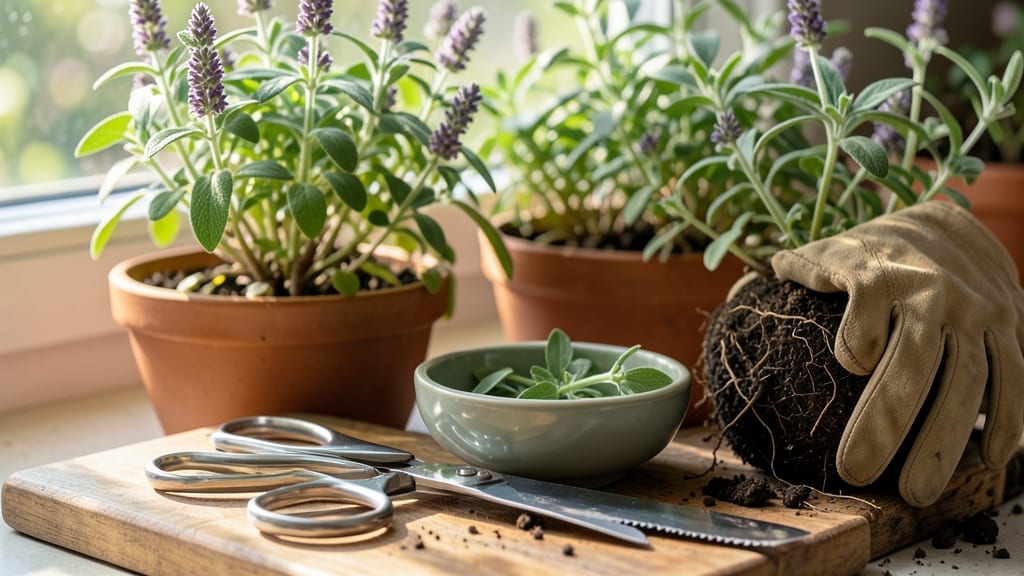
Harvesting garden sage properly means cutting stems when leaves are fully developed and aromatic 🌿 — before flowering turns them bitter and woody.
Picture this: you’ve nurtured your sage plant all season, and now it’s time to reap the rewards. But if you wait too long, those once-fragrant leaves become tough and lose their flavor.
The key is timing—harvesting just before the plant flowers ensures the best taste and keeps your sage bushy and healthy.
Most gardeners miss the optimal window because they focus on stem size rather than leaf readiness. The ideal moment is when stems are firm but still bendable, and the leaves release a strong, earthy scent when crushed.
This usually happens in late summer to early fall, but your local climate may shift that slightly.
In this guide, I’ll walk you through the exact steps to harvest sage without damaging the plant, how often to cut back for regrowth, and the best ways to store or dry your harvest.
Whether you’re cooking with fresh leaves or drying them for winter, these tips will keep your sage thriving and flavorful for years.

When to harvest garden sage for maximum flavor and freshness
Harvesting your garden sage at the perfect moment transforms a simple task into a flavor-packed experience. The key lies in watching for three critical signs: leaf density, stem condition, and seasonal timing.
When you ignore these cues, your plant may become woody and lose its signature earthy aroma. Let’s break down exactly what to look for to ensure you’re harvesting at peak freshness.
First, focus on the leaf development. Sage leaves are ready when they’re large, velvety, and gray-green—not small or sparse. These mature leaves pack the most flavor and aroma. If you crush a leaf and it smells faintly like earth, that’s your green light.
But if it’s barely noticeable, wait a few more weeks. The texture is another clue: fully developed leaves should feel slightly fuzzy to the touch.
Next, check the stem condition. Young sage stems are soft and bend easily, but as the plant matures, they develop a slight woody texture. This is normal and actually a good sign—it means your plant is healthy and established.
However, if the stems become hard and brittle, you’ve waited too long. Harvest before this stage to preserve flavor and encourage new growth.
The seasonal timing also plays a crucial role. For most gardeners, the ideal harvest window falls between late summer and early fall (August through October). This is when sage plants are at their most robust, with plenty of new growth but before the first frost.
If you’re in a warmer climate, you can extend harvesting into November, but avoid winter harvests as the plant prepares for dormancy.
Here’s a quick reference to help you spot the perfect harvest window:
One of the biggest mistakes gardeners make is over-harvesting. Sage is a perennial, meaning it comes back year after year, but it’s not indestructible. To keep your plant healthy, never remove more than one-third of the plant in a single harvest.
This ensures there’s enough foliage left to fuel photosynthesis and support new growth. If you’re unsure, start with just a few stems and monitor the plant’s response.
Another pro tip: harvest in the morning. This is when the essential oils in sage leaves are at their peak, making your harvest the most aromatic. Afternoon or evening harvests may still be usable, but they won’t have the same intensity of flavor.
Plus, morning dew is lighter, so your leaves will dry faster if you’re planning to preserve them.
If you’re growing sage in containers or pots, the same rules apply, but you’ll need to be even more cautious. Container-grown sage can become root-bound or stressed more easily, so limit your harvests to just the new growth.
Always leave the lower leaves intact—they help protect the plant and support its structure. For potted sage, a light harvest every 4-6 weeks during the growing season keeps it thriving.
Finally, don’t forget to prune for future harvests. After your main harvest in late summer or fall, trim back any leggy or woody stems to encourage bushier growth next season.
This not only improves the plant’s appearance but also ensures you’ll have plenty of fresh sage to harvest in the years to come. With the right timing and care, your sage plant will reward you with abundant, flavorful leaves for seasons to come.
Step-by-step guide to harvesting sage without damaging the plant
Knowing how to harvest garden sage properly ensures you get the most flavorful leaves while keeping your plant healthy and productive. Sage thrives when harvested at the right time and with the right techniques—avoiding over-pruning or damaging stems.
Whether you're using it for cooking or drying, these steps will help you maintain a lush, aromatic sage plant year after year.
Timing is everything with sage. Always harvest just before the plant flowers, typically in late summer to early fall. This is when the leaves are at their peak flavor and aroma. If you wait too long, the stems become woody, and the leaves lose their potency.
For container-grown sage, you can harvest throughout the growing season, but never take more than one-third of the plant at once.
How to Harvest Sage Step-by-Step
- Step 1: Choose the right tools. Use clean, sharp pruning shears or scissors to avoid crushing stems. A pinch-and-pull method also works for small leaves.
- Step 2: Select healthy stems. Look for stems with fully developed leaves and a strong aroma. Avoid harvesting stems that are already woody or have yellowing leaves.
- Step 3: Cut or pinch just above a leaf node. This encourages new growth. For larger harvests, cut the entire stem 1-2 inches above the base to promote bushier growth.
- Step 4: Harvest in the morning. This ensures the leaves are at their freshest and most aromatic. Avoid harvesting after rain to prevent mold.
- Step 5: Store harvested sage properly. Rinse leaves briefly if needed, then pat dry. Store in a paper bag or airtight container in the fridge for up to a week, or dry for long-term use.
- Step 6: Maintain your plant. After harvesting, water lightly and fertilize with a balanced herb fertilizer every 4-6 weeks to encourage regrowth.
For long-term storage, drying sage is the best option. Bundle stems together and hang them upside down in a dark, well-ventilated area for 1-2 weeks. Once dry, strip the leaves and store them in an airtight container away from light.
Dried sage retains its flavor for up to a year, making it perfect for winter cooking or tea blends.
If your sage plant looks leggy or overgrown after harvesting, don’t worry—it’s normal! Sage is a hardy herb that bounces back quickly. Just keep an eye on its health and repeat the harvesting process every 4-6 weeks during the growing season.
With the right care, your sage plant will stay lush and productive for years.
Remember, the key to harvesting sage is balance. Never take too much at once, and always prioritize the plant’s health. A well-maintained sage plant will reward you with abundant, flavorful leaves season after season.