
Planting
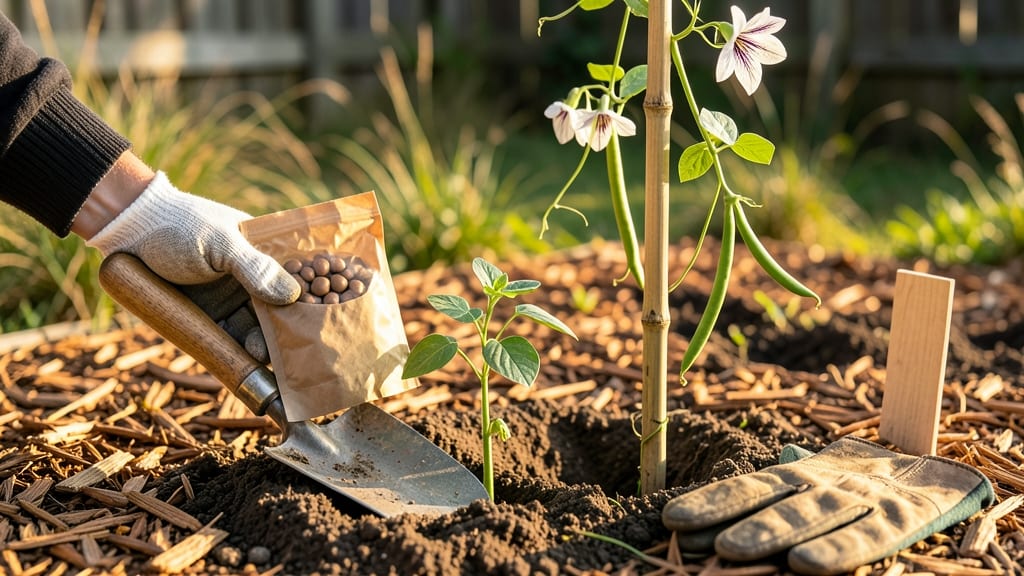
Planting string beans in a garden the right way means fast germination and a bountiful harvest—no more waiting weeks for seeds that refuse to sprout.
I’ve watched dozens of string bean seeds 🌱 rot in the soil because they were buried too deep, or dry out because they were too shallow. The trick?
A 1-inch depth in warm, loose soil, paired with the right spacing and sunlight, is all it takes to turn your garden into a pole bean powerhouse by summer.
You’ll learn how to prep your soil for reliable germination, the exact spacing that prevents overcrowding, and when to water so your beans grow tall and productive—not leggy or stunted. No more guesswork, just a step-by-step method that works even for beginners.
By the end, you’ll know not just how to plant string beans, but how to keep them thriving until harvest—so you can enjoy fresh pods straight from your garden all summer long.


Optimal soil depth and planting techniques for string beans
String beans thrive when planted at the right soil depth and spacing, but many gardeners struggle with inconsistent germination. The key to success lies in understanding how seed depth, soil temperature, and moisture levels interact to create ideal conditions.
Unlike some vegetables, string beans are sensitive to planting too deep, which can delay or prevent sprouting entirely.
For best results, aim to plant your string bean seeds about 1 to 2 inches deep in well-drained soil. This depth ensures the seeds receive enough moisture while preventing them from rotting.
Additionally, the soil should be warmed to at least 60°F (15°C)—cold soil can cause seeds to rot before they sprout. Let’s break down the essentials for planting string beans like a pro.
When planting, ensure your garden soil is loose and free of clumps to encourage root penetration. Work in a handful of compost or well-rotted manure to improve fertility and drainage. String beans prefer slightly acidic to neutral soil with a pH between 6.0 and 7.0.
If your soil is heavy clay, consider mixing in sand or coconut coir to improve aeration.
One of the most common mistakes is overcrowding seedlings, which leads to poor air circulation and increased disease risk. For bush varieties, space plants 3–4 inches apart in rows that are 18–24 inches apart.
If you’re growing pole beans, which climb, space them 4–6 inches apart and provide a sturdy trellis or fence for support. This not only saves space but also makes harvesting easier.
Moisture is another critical factor—consistent watering is key, but avoid soggy soil. Water deeply once a week (or more during dry spells) to encourage deep root growth.
A good rule of thumb is to water in the morning so the foliage has time to dry, reducing fungal diseases like powdery mildew. Mulch around plants with straw or shredded leaves to retain moisture and suppress weeds.
If your seeds fail to sprout within 7–10 days, they may have rotted due to excess moisture or cold soil. To troubleshoot, gently dig up a few seeds to check for signs of rot or mold.
If the soil is too cold, wait until temperatures rise before replanting. For faster germination, soak seeds in warm water for 4–6 hours before planting, which can speed up the process by a few days.
Finally, consider companion planting to maximize your string beans’ potential. Pair them with marigolds to deter pests like Mexican bean beetles, or plant near corn and cucumbers, which provide shade and improve soil health.
Avoid planting near alliums (like onions or garlic), as their strong scent can inhibit bean growth.
With these techniques, your string beans will germinate quickly and grow into productive plants. The secret is paying attention to depth, spacing, and soil conditions—small details that make a big difference in your harvest. Happy planting! 🌱
Step-by-step planting process for maximum germination success
Getting your string beans off to the right start means paying attention to every detail—from seed selection to soil temperature. Most seeds sprout within 3-5 days when conditions are perfect, but even small mistakes can delay germination or kill seeds entirely.
My secret? Treating each step like a science experiment ensures consistent results every time.
Before you even think about planting, choose high-quality seeds from a reputable supplier. Look for varieties labeled for your USDA zone (like Kentucky Wonder or Blue Lake) and avoid seeds older than 1-2 years.
Old seeds lose viability, and you’ll waste time and money waiting for sprouts that may never come.
-
Step 1: Prepare the Soil
Test your soil’s pH (aim for 6.0-7.0) and amend with compost or aged manure. Loosen soil to a depth of 12 inches for easy root penetration.
-
Step 2: Choose the Right Location
Select a spot with full sun (6+ hours/day) and well-draining soil. Avoid low-lying areas where water pools after rain.
-
Step 3: Plant Seeds at the Correct Depth
Plant seeds 1 inch deep and 3-4 inches apart in rows spaced 18-24 inches apart. Use a ruler for precision—this prevents overcrowding later.
-
Step 4: Water Gently and Consistently
Water the soil to a depth of 1 inch immediately after planting, then maintain consistent moisture (never soggy). Use a spray nozzle to avoid displacing seeds.
-
Step 5: Monitor for Germination
Check for sprouts in 3-5 days. If soil stays dry or too cold (50°F), germination slows. Keep soil warm with a black plastic mulch if needed.
-
Step 6: Thin Seedlings (If Needed)
Once seedlings reach 2 inches tall, thin to 4-6 inches apart to reduce competition. Snip with scissors at soil level to avoid disturbing roots.
-
Step 7: Troubleshoot Failed Germination
If seeds don’t sprout in 10 days, recheck soil moisture and temperature. Fungal issues? Sprinkle cinnamon powder on soil to prevent rot.
Once your string beans sprout, thin them carefully to avoid shocking the remaining plants. Use sharp scissors to cut seedlings at the base—this prevents soil disturbance and gives your beans a cleaner start. Within 4-6 weeks, you’ll see vigorous vines or bushy growth, depending on your variety.
Pro tip: If germination takes longer than 5 days, check your soil temperature with a soil thermometer. String beans need soil at least 60°F to sprout reliably. If your climate struggles with cool springs, consider using a seedling heat mat for faster results.
Remember, the key to maximum germination success is patience and precision. By following these steps, you’ll turn your garden into a productive string bean patch in no time. Happy planting! 🌱