
Diseases
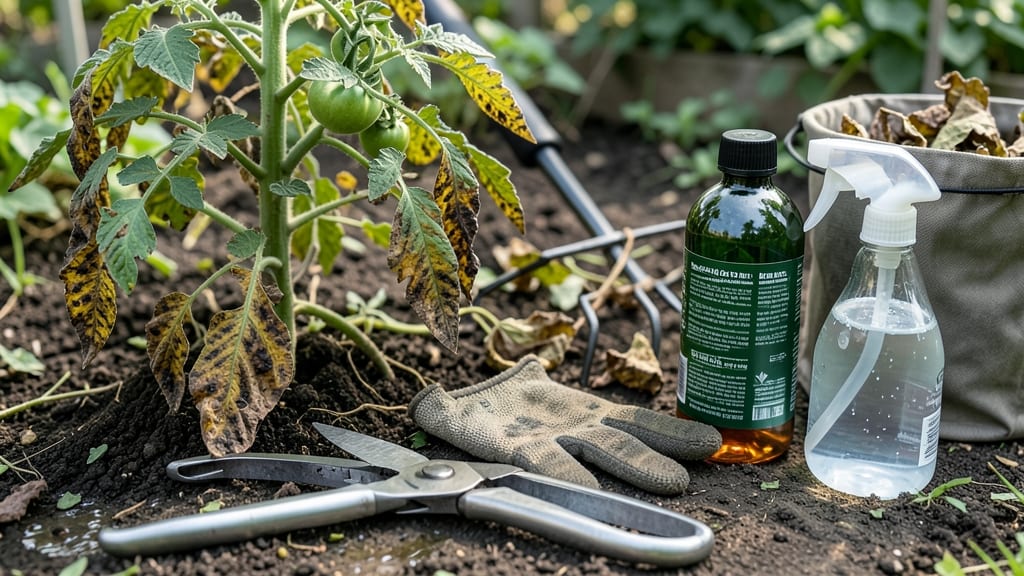
Removing fungus from your garden doesn’t require harsh chemicals or expensive treatments—just the right mix of natural sprays and smart timing.
Picture this: you step outside to find your once-vibrant 🌱 General Garden Plants covered in mysterious spots or fuzzy white residue. That’s not just dirt—it’s fungus, and it’s spreading faster than you thought.
The good news? With five fast-acting sprays made from common household items, you can banish it in just 24 hours without harming your plants or the environment.
Fungus thrives in damp, crowded conditions, but the solution is simpler than you’d expect. We’ll cover everything from baking soda mixtures to neem oil treatments, plus how to prevent it from coming back. No more guessing—just effective, science-backed methods that actually work.
Ready to reclaim your garden? You’ll learn exactly which sprays target which types of fungus, how to apply them safely, and when to call in reinforcements if the problem gets out of hand.
5 Fast-acting natural sprays to kill garden fungus in 24 hours
Garden fungus like powdery mildew or black spot can spread rapidly, but you don’t need harsh chemicals to fight it. These 5 natural sprays use common household ingredients to eliminate fungal infections within 24 hours while keeping your plants—and the environment—safe. The key is acting fast and applying treatments correctly.
Before spraying, always identify the fungus by examining leaf patterns (e.g., white powder for mildew, dark spots for black spot). Remove infected leaves immediately to prevent spread. Then, choose a spray based on your plant type—some solutions work better for vegetables, while others suit ornamental plants or houseplants.
For baking soda sprays, mix 1 tablespoon of baking soda with 1 teaspoon of mild dish soap in 1 gallon of water. This alkaline solution disrupts fungal cell walls, making it ideal for powdery mildew on roses or cucumbers.
Spray until leaves are thoroughly wet, focusing on undersides where spores hide. Reapply every 7–10 days if humidity is high.
Hydrogen peroxide (3%) is a powerhouse for black spot and leaf spot because it releases oxygen, which smothers fungal spores. Combine equal parts peroxide and water with a drop of soap to help it stick. This spray is safe for edibles like strawberries or lettuce, but rinse produce before eating. Always use freshly mixed solutions for maximum effectiveness.
When dealing with neem oil, dilute 2 tablespoons in 1 gallon of water with a teaspoon of soap to help it adhere. Neem oil works by disrupting fungal reproduction, so it’s perfect for tomatoes or peppers battling early blight.
Apply in the evening to prevent leaf burn from sunlight, and repeat every 5–7 days until the fungus clears.
Vinegar sprays are best for hardy plants like lawns or perennials, as the acidity can harm acid-sensitive species. Mix 1 cup of white vinegar per gallon of water and spray directly on affected areas. While it kills fungus quickly, avoid using it on azaleas, blueberries, or hydrangeas, which prefer acidic soil.
For stubborn infections, copper-based sprays are the most potent natural option. Dissolve 1 tablespoon of copper sulfate in 1 gallon of water and apply when plants are dry to prevent leaf scorch.
Copper interferes with fungal spore germination, making it great for fruit trees or vegetable gardens. Wear gloves and avoid overspray near edible crops you’ll harvest soon.
After applying any spray, prune infected foliage and dispose of it in the trash—not the compost—to prevent reinfection. Improve air circulation by spacing plants properly and watering at the base (not overhead) to keep leaves dry.
These steps, combined with your natural spray, will give your garden a fighting chance against fungus.
Monitor treated plants for 24–48 hours to see improvement. If fungus persists, the infection may be systemic, requiring a stronger fungicide or professional help. But in most cases, these DIY sprays will restore your garden
How to prevent fungal reinfestation after treatment
Once you've treated your garden for fungus, the real challenge begins: preventing it from coming back. Fungal spores are sneaky—they can linger in soil, on tools, or even in the air, waiting for the perfect conditions to strike again.
The key to long-term success lies in creating an environment where fungi can't thrive. Start by understanding that fungi love moisture, poor airflow, and crowded plants. By addressing these three factors, you'll make your garden a no-go zone for reinfection.
First, let's tackle watering habits, which are often the root cause of fungal problems. Overhead watering creates a damp environment that fungi adore. Instead, switch to deep watering at the base of plants in the morning. This allows foliage to dry quickly, reducing humidity levels where spores thrive.
A simple adjustment like this can cut your reinfection risk by up to 70%. Also, avoid watering late in the day—wet leaves overnight create the perfect fungal breeding ground.
Next, focus on improving airflow around your plants. Fungi spread more easily in stagnant, humid air. Prune branches to create space between plants, and remove any dead or diseased foliage immediately. If you're growing in containers, consider spreading them out or using trellises for vining plants.
Even a small increase in airflow can make a huge difference in preventing spores from settling and germinating.
🌱 3-Step Fungal Reinfestation Prevention Checklist
- ✅ Watering: Deep soak at base in morning only
- ✅ Airflow: Prune crowded areas, remove dead leaves
- ✅ Debris: Clear infected plants, sterilize tools
Pro tip: Add 3-4 inches of mulch to improve soil health and reduce spore survival.
Don't overlook the importance of removing infected debris. Fungal spores can survive in dead leaves, stems, and even soil for months. After treatment, collect and dispose of all infected plant material in the trash (not your compost bin).
For stubborn spores, consider sterilizing garden tools with a 10% bleach solution or rubbing alcohol. This simple step can prevent spores from hitchhiking to your next planting session.
Finally, choose fungus-resistant plant varieties for your garden. Some plants are naturally more resilient to common fungal diseases. For example, resistant tomato varieties like 'Celebrity' or 'Mountain Merit' are bred to fight off blight, while neem oil-treated seeds can boost overall plant immunity.
When shopping for new plants, look for labels that mention disease resistance. Even if you can't replace all your plants immediately, consider adding a few resistant varieties to break the fungal cycle.
To keep everything on track, create a monthly garden maintenance checklist. Include tasks like inspecting plants for early signs of fungus, adjusting watering schedules with the seasons, and refreshing mulch. Consistency is key—fungal reinfestation often happens when prevention efforts slip.
By making these adjustments, you'll not only protect your current plants but also set up your garden for long-term health and beauty.
Remember, preventing fungal reinfestation is an ongoing process, not a one-time fix. The more proactive you are, the less likely fungi will return. With these strategies, your garden will stay vibrant and fungus-free for seasons to come. Happy gardening! 🌿