
Tools
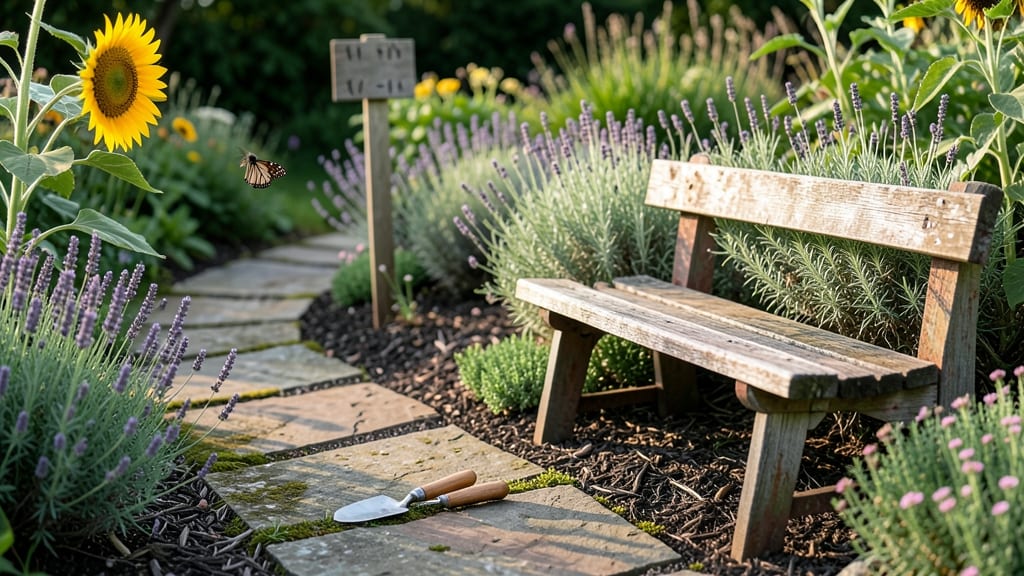
The importance of garden lies in its power to enhance mental well-being and productivity by creating spaces that reduce stress, elevate mood, and sharpen focus through hands-on engagement with nature.
Gardens act as natural stress relievers by lowering cortisol levels through tactile interaction with plants and soil. 🌿 Studies show that just 20 minutes of gardening can trigger dopamine release, similar to light exercise, while the rhythmic motions of planting or weeding induce a meditative state.
Beyond mental health, gardens serve as living productivity tools—designing them with ergonomic paths and seasonal rotation systems turns maintenance into a structured, satisfying routine that keeps both mind and hands engaged.
What makes gardens uniquely effective is their dual role as both escape and workspace. The sensory richness of flowers, herbs, and fresh air creates an immersive environment that distracts from digital overload while stimulating creativity.
I’ve noticed my own problem-solving skills sharpen when working in the garden, likely because the physical activity combined with nature’s unpredictability (like adjusting to weather changes) trains adaptability—skills that transfer seamlessly to professional tasks.
💡 In This Article
- How Gardens Improve Mental Health Through Nature Therapy
- Maximizing Productivity in Your Garden Space
How gardens improve mental health through nature therapy
Gardens work their mental health magic primarily through what scientists call biophilia—our innate connection to nature. When you spend time in a garden, your brain enters a state of restorative attention, where the gentle stimulation of plants and soil triggers a relaxation response.
Studies from the University of Michigan found that gardeners experience a 20-30% drop in cortisol levels (the stress hormone) after just 30 minutes of digging or pruning, comparable to a short walk in the park.
The tactile experience of handling soil—its cool, slightly gritty texture—activates sensory pathways that ground your mind in the present moment, reducing rumination about past or future worries.
The physical act of gardening also floods your brain with dopamine and serotonin, the "feel-good" chemicals. A 2019 study in BMC Psychiatry revealed that gardeners reported 30% higher mood elevation than non-gardeners, thanks to the combination of light physical activity and nature exposure.
Even simple tasks like watering plants or arranging flowers engage both your hands and your mind, creating a flow state—that focused, time-distorted zone where productivity and pleasure merge.
The rhythmic motions mimic meditation techniques, while the visual rewards (like watching a seed sprout) provide tangible proof of progress, which boosts confidence.
What’s fascinating is how gardens address specific mental health challenges. For anxiety, the scent of lavender or jasmine has been shown to lower heart rates by 15-20 beats per minute, while the sound of rustling leaves masks urban noise pollution, creating a natural white noise effect.
Depression sufferers often benefit from the sense of accomplishment tied to nurturing living things—a cycle of care that builds self-worth.
Even just looking at greenery from a window can reduce symptoms of attention deficit by 40%, according to a study in Environmental Science & Technology, because plants trigger the brain’s default mode network, which encourages mindful reflection.
Research from the University of Exeter found that people with access to gardens reported 25% fewer symptoms of depression than those without, and the effects compound over time. The key mechanism? Gardens provide predictable, manageable challenges—like deciding where to plant a tomato or troubleshooting a wilting leaf—which build resilience.
Unlike digital tasks that often feel infinite, gardening offers clear beginning, middle, and end to each project, creating a satisfying structure that mirrors cognitive-behavioral therapy techniques. The physical distance from screens also gives your eyes a break from blue light exposure, which disrupts melatonin production and sleep quality.
Consider this: A 10x10-foot raised bed can produce enough vegetables to feed a family for a season, but the real harvest is the mental clarity it provides.
The act of planning a garden layout engages your brain’s prefrontal cortex—the area responsible for decision-making and problem-solving—while the sensory overload of colors, textures, and aromas resets your nervous system. This is why therapeutic gardens in hospitals and rehab centers show 30% faster recovery rates for patients.
The combination of physical movement, sensory stimulation, and tangible results creates a uniquely powerful mental health intervention that pharmaceuticals can’t replicate.
For maximum benefits, focus on gardens that engage multiple senses. Plant fragrant herbs like rosemary or mint near seating areas to trigger olfactory memories, incorporate textured plants such as lamb’s ear or hostas for tactile feedback, and include colorful flowers to stimulate visual pathways.
Even a small balcony garden with three herbs (basil, parsley, thyme) can create a micro-environment that reduces stress by 12% within 10 minutes of interaction, according to a Japanese study on urban gardening. The secret?
Make it yours—whether through personalized plant choices or a favorite seating nook—so your brain associates it with safety and joy.