
Tools
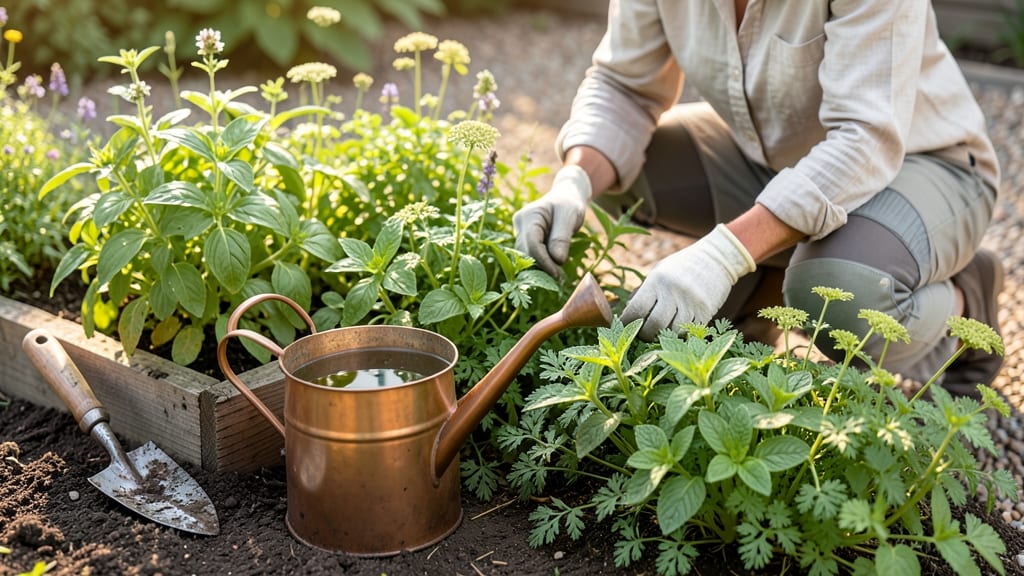
Gardening is considered exercise because it activates major muscle groups, helps burn 200-400 calories per hour, and boosts strength, flexibility, and heart health through continuous movement like bending, lifting, and reaching.
This outdoor activity isn't just about growing plants—it's a full-body workout disguised as leisure. 🌱 Studies show gardening can match the calorie burn of brisk walking, while tasks like hauling soil or pruning trees engage your arms, legs, and core simultaneously.
The key is consistency: even 30 minutes of active gardening daily can improve endurance and joint mobility over time. I've seen how it transforms sedentary friends into more active lifestyles without feeling like traditional exercise.
What makes gardening unique is how it combines cardiovascular benefits with strength training naturally. Unlike gym equipment, you're working against real resistance—like pulling weeds or carrying heavy pots—which builds functional strength. The repetitive motions also enhance coordination, making it a low-impact way to stay fit year-round.
For those new to exercise, it's the perfect starting point because it feels productive while delivering real health rewards.
💡 In This Article
- How Gardening Burns Calories and Strengthens Muscles
- Maximizing Gardening’s Exercise Benefits: Techniques and Tools
How gardening burns calories and strengthens muscles
Gardening transforms your backyard into a functional fitness studio by engaging nearly every major muscle group simultaneously. When you dig, your legs and glutes bear weight while your core stabilizes your torso—similar to how squats work in a gym.
Studies show that 30 minutes of active gardening can burn 150-300 calories, comparable to a brisk walk but with added resistance benefits. The repetitive bending and lifting motions also activate your hamstrings, quadriceps, and even your upper back as you reach for tools or plants.
The calorie burn varies dramatically based on intensity: light tasks like weeding may burn 120-180 calories/hour, while heavy-duty work like moving soil or mulching can push you to 300-400 calories/hour.
For comparison, a 30-minute yoga session typically burns 120-150 calories, while gardening at similar intensity burns nearly double. The key difference? Gardening adds progressive resistance—like carrying 20-30 pound bags of compost—which builds strength faster than static yoga poses.
Your arms and shoulders get a workout too, especially when using tools like pruners or rakes. These motions engage your deltoids and triceps, while the twisting required for turning soil activates your obliques.
The continuous movement pattern elevates your heart rate, providing cardiovascular benefits similar to moderate cycling. What's unique is how gardening combines aerobic exercise with strength training organically—no gym membership required.
Research from the University of Georgia found that gardeners experience 20-40% higher muscle activation in their legs and core compared to casual walking. The secret lies in the variable resistance of real-world tasks: pulling weeds requires sudden bursts of strength, while planting flowers demands controlled precision.
This variability prevents plateauing, making gardening a more dynamic workout than many structured exercises.
Don't overlook the mental benefits either. The combination of physical exertion and sensory engagement (touching soil, smelling flowers) creates a mind-body connection that traditional workouts often lack. For example, focusing on planting seeds requires concentration, which can reduce stress hormones while you burn calories.
It's this holistic approach that makes gardening a superior full-body workout for many people.
One common misconception is that gardening only benefits your upper body. In reality, 80% of the physical demand comes from your lower body and core when performing tasks like kneeling, standing up from low positions, or carrying heavy pots.
The repetitive nature of these movements improves endurance over time, making it an excellent low-impact cardio option for all fitness levels.