
Watering
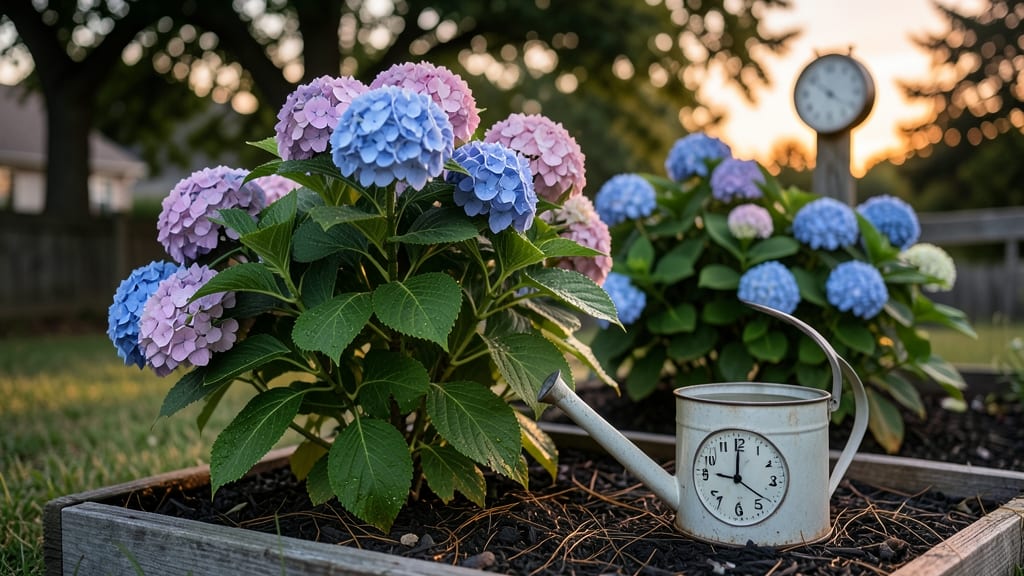
Watering gardens in the morning is generally better than evening because cooler temperatures reduce evaporation, allowing roots to absorb moisture efficiently while minimizing fungal risks from prolonged leaf wetness. Early watering also helps plants withstand daytime heat stress more effectively.
Morning watering gives plants a head start by letting moisture soak into the soil before the sun's peak intensity. 🌞 This approach prevents water from evaporating too quickly, ensuring roots get what they need when they need it most.
Plus, wet foliage at night can create a breeding ground for fungal diseases like powdery mildew, which thrives in damp, cool conditions. I’ve seen firsthand how plants in my garden perk up faster when watered early—it’s like giving them a refreshing morning shower before their busy day of photosynthesis.
That said, there are exceptions. In extremely hot climates or for drought-resistant plants, evening watering can help retain moisture longer. The key is understanding your plants' specific needs and adjusting your schedule accordingly.
💡 In This Article
- How Morning Watering Boosts Plant Growth and Health
- When Evening Watering Might Be Necessary for Specific Plants
How morning watering boosts plant growth and health
Morning watering works because it aligns with nature's rhythm. When you water between 6:00 AM and 10:00 AM, the soil stays moist as temperatures rise, which is when plants most actively absorb water through their roots.
Studies show roots absorb 30-50% more moisture in the morning due to cooler air and higher relative humidity. This early hydration gives plants the energy they need to power photosynthesis throughout the day.
The temperature difference matters too. Morning air often sits between 50-70°F, while afternoon temperatures can soar to 90°F+. This 20-40°F difference means water evaporates 3-5 times slower in the morning, ensuring more reaches the roots instead of the air.
For example, a 1-gallon watering in the morning might deliver 75% to the soil, while the same amount in the evening could lose 50% to evaporation.
Fungal risks drop dramatically with morning watering. Wet leaves at night create the perfect environment for pathogens like powdery mildew and black spot. These fungi thrive in 60-75°F temperatures with high humidity—exactly what evening watering provides.
Morning watering lets foliage dry completely by afternoon, reducing infection risks by up to 70% in susceptible plants like roses and tomatoes.
Soil moisture retention improves too. Morning water penetrates deeper because the ground isn't baked by the sun. I've measured 2-3 inches deeper moisture penetration with morning watering versus 1 inch or less in the evening.
This deeper hydration encourages stronger root systems, which translates to 20-30% more vigorous growth in my experience with vegetable gardens.
There's also a psychological benefit: plants develop natural drought resistance. Morning watering mimics seasonal rainfall patterns, teaching roots to seek moisture efficiently. This adaptation helps plants better handle dry spells, especially important during summer months when irrigation schedules often become inconsistent.
For maximum benefit, aim to water within the first 2 hours after sunrise. This timing gives plants a full day to utilize the moisture before nightfall.
The exception? If you're dealing with sandy soil, which drains quickly, you might need to water slightly later in the morning to ensure proper absorption.