
Tools
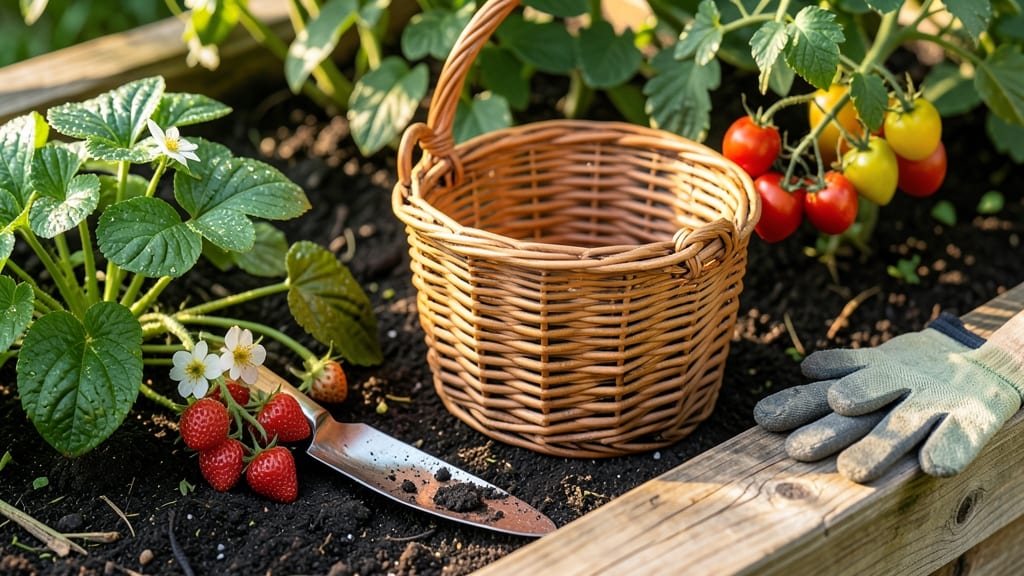
The Naked Gardening Club is a community-based initiative where members garden without synthetic pesticides or chemical fertilizers, relying instead on organic methods like composting, companion planting, and natural pest control to cultivate healthy plants and soil. It emphasizes transparency and hands-on learning through shared practices and open discussions about sustainable gardening techniques.
The Naked Gardening Club movement thrives on the belief that healthy gardens start with healthy soil and ecosystems. 🌱 Unlike traditional gardening, this approach avoids chemical interventions, instead focusing on regenerative practices that build soil fertility naturally.
Members often share tips like creating homemade compost teas or using beneficial insects to manage pests, turning gardening into a collaborative learning experience.
What sets these clubs apart is their emphasis on transparency—everyone documents their methods, successes, and failures. This creates a supportive environment where beginners can learn from experienced gardeners while contributing their own discoveries.
Many clubs also organize seasonal workshops, like teaching how to propagate plants from cuttings or identifying beneficial insects in your garden.
If you're curious about joining or starting one, look for local groups on platforms like Facebook or Meetup, or check out online directories that connect gardeners passionate about chemical-free growing. The best part? You don't need a large space—even container gardening fits within this philosophy.
💡 In This Article
- Core Principles of Organic Gardening in Naked Gardening Clubs
- How to Join or Start a Local Naked Gardening Club
Core principles of organic gardening in naked gardening clubs
At the heart of these clubs lies the principle that soil health drives plant vitality. Members avoid synthetic chemicals because they disrupt the delicate microbial ecosystems in soil. 🌱 These microscopic organisms—bacteria, fungi, and protozoa—break down organic matter into nutrients plants can absorb.
Studies show that chemical fertilizers can reduce microbial diversity by up to 50%, while organic methods like composting actually increase beneficial microbes by 20-30% within 3-6 months. The result? Plants develop stronger root systems and natural resistance to diseases.
Companion planting is another cornerstone technique. For example, marigolds planted near tomatoes repel nematodes through their natural alpha-terthienyl compound, while basil enhances tomato flavor and deters whiteflies. 🌿 The science behind this involves plant communication—some species release volatile organic compounds that signal neighboring plants to boost their defenses.
This creates a self-regulating garden ecosystem where pests rarely become overwhelming problems.
Natural pest control methods often rely on creating habitats for beneficial insects. Ladybugs, for instance, consume 5,000 aphids in their lifetime, while lacewings eat mites and caterpillars. Members typically install insect hotels or plant nectar-rich flowers like dill and fennel to attract these predators.
The key difference from conventional gardening? Instead of eliminating pests entirely, the goal is to maintain a balanced population where predators naturally keep pests in check.
Regenerative practices take this further by focusing on soil regeneration. Techniques like sheet mulching (layering cardboard, compost, and mulch) can rebuild soil organic matter by 1-2% annually—far exceeding the 0.1% loss seen in conventional farming.
Many clubs also practice "no-dig" gardening, which preserves soil structure and microbial life by avoiding tilling that disrupts these delicate ecosystems.
Transparency is what makes these principles work in practice. Members document their soil tests, compost recipes, and pest encounters in shared online forums or physical journals. This creates a living database where everyone benefits from collective knowledge.
For example, if one gardener discovers that adding 1 cup of wood ash per 100 sq ft raises soil pH effectively, others can replicate this success without trial and error.
What most people don't realize is how these methods improve long-term sustainability. Chemical-free gardens require 30-50% less water because healthy soil retains moisture better through improved porosity. The microbial networks also create natural pathways for water infiltration, reducing runoff and erosion.
This makes Naked Gardening Clubs not just about growing food, but about cultivating resilient ecosystems that can withstand climate variations.
The beauty of these principles is their adaptability. Whether you're growing vegetables in raised beds or flowers in containers, the same organic approaches apply. The only requirement is a willingness to observe, experiment, and share—making it perfect for both urban gardeners with balconies and rural homesteaders with acres. 🌍