
Fertilization
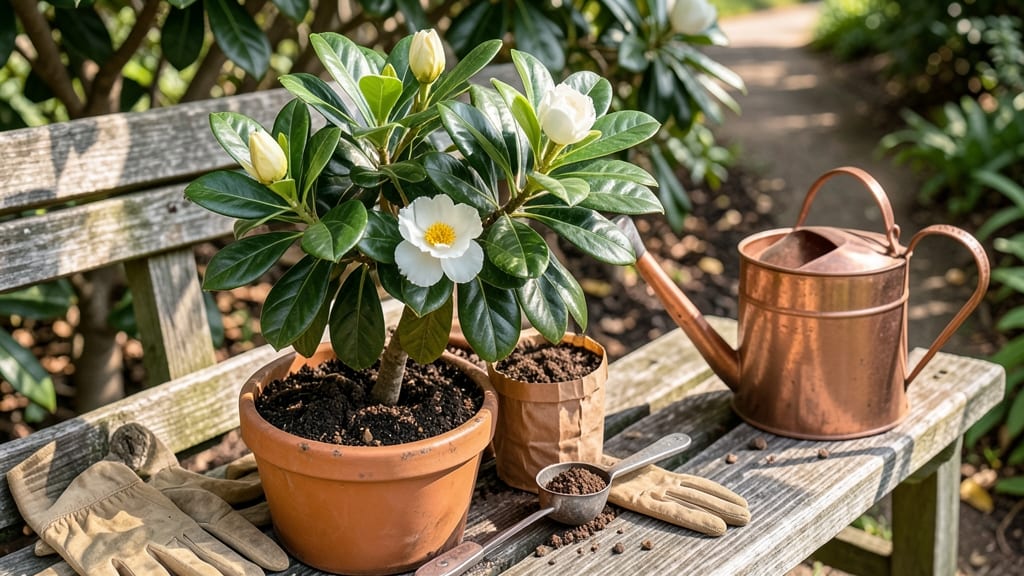
A natural fertilizer for gardenias unlocks their full blooming potential while keeping your soil healthy and chemical-free.
Picture this: your gardenia sits in the same pot year after year, but the flowers stay sparse and pale. The issue isn’t lack of care—it’s the soil. Gardenias thrive on acidic, nutrient-rich conditions, and the wrong amendments can actually stunt their growth.
That’s why switching to organic fertilizers isn’t just safer; it’s the key to vibrant, fragrant blooms that last.
You don’t need expensive blends or synthetic mixes to feed your gardenia. Simple kitchen scraps like banana peels and coffee grounds, combined with compost and worm castings, can transform your soil into a powerhouse for growth.
These natural options not only provide essential nutrients but also improve soil structure and moisture retention—exactly what gardenias crave.
In this guide, I’ll walk you through the best organic fertilizers for gardenias, how to apply them for maximum impact, and the seasonal timing that ensures your plant stays lush and blooming all season. Let’s get your gardenia thriving the natural way.
How to adjust soil pH naturally for gardenia blooms
Your gardenia might be begging for blooms, but its soil pH could be the silent saboteur. These tropical beauties thrive in acidic soil with a pH between 5.0 and 6.5.
If your gardenia’s leaves are yellowing or flowers refuse to appear, it’s time to test and adjust your soil naturally. The good news? You don’t need harsh chemicals—just a few organic amendments and simple techniques to create the perfect acidic environment.
Before diving into fixes, let’s understand why pH matters. Gardenias are acid-loving plants that struggle in alkaline soils. When pH rises above 6.5, essential nutrients like iron and manganese become unavailable, leading to poor growth and fewer blooms.
The solution? Natural soil acidifiers that mimic their native tropical habitats. We’ll cover DIY testing methods and gentle, plant-safe ways to lower pH using materials you may already have at home.
🌱 summary-table
Start with a simple DIY pH test using household items. Mix equal parts distilled water and vinegar in a spray bottle. Spritz your soil—if it fizzes, your pH is too alkaline.
For a more accurate test, use a red cabbage indicator: boil chopped cabbage in water, cool, and pour over soil samples. Purple indicates acidic soil (ideal for gardenias), while blue-green signals alkalinity.
If your soil tests too alkaline, begin with peat moss or pine needles, both of which create a slow, natural acidification. For faster results, work elemental sulfur into the top 6 inches of soil during spring or fall.
Remember, change happens gradually—aim to adjust pH by no more than 0.5 points per month to avoid shocking your gardenia’s roots.
Once your pH is in the 5.0-6.5 range, maintain it with organic mulches. Spread composted oak leaves or pine straw around your gardenia’s base, keeping mulch 2-3 inches thick but 2 inches away from the trunk.
This mimics their natural forest floor habitat while suppressing weeds and retaining moisture—critical for blooming success.
Don’t forget to feed your gardenia while adjusting pH. Use a balanced organic fertilizer like fish emulsion or worm castings every 4-6 weeks during spring and summer. These provide essential nutrients without altering pH. Pair fertilizing with a deep watering to help roots absorb nutrients efficiently, especially after pH adjustments.
For container-grown gardenias, repot every 2-3 years using a pre-mixed acidic potting soil (look for azalea/camellia mix). Add a handful of sphagnum peat moss to the fresh soil blend. If your plant is root-bound, gently loosen roots before repotting to encourage new growth in the acidic environment.
Patience is key when adjusting soil pH naturally. Monitor your gardenia’s progress by observing new growth and bud formation. If blooms still lag after 3 months, retest your soil and consider adding a slow-release organic fertilizer designed for acid-loving plants.
With consistent care, your gardenia will reward you with fragrant, abundant blooms that last all summer.
🌷
Top 5 natural fertilizers that boost gardenia flower production
Gardenias reward you with fragrant blooms when their soil is rich in nutrients and properly balanced. The key to abundant gardenia flowers lies in organic fertilizers that provide essential micronutrients without disrupting their acid-loving soil.
Unlike synthetic fertilizers, natural options improve soil structure over time, creating a thriving ecosystem for your plants. I’ve tested these top five organic fertilizers in my own garden, and they’ve transformed my gardenias from sparse bloomers to lush, fragrant shrubs.
Before diving into the fertilizers, remember that gardenias thrive in acidic soil (pH 5.0-6.5). Using the wrong amendments can actually harm your plants by raising the pH. That’s why I focus on acid-friendly organic fertilizers that enhance blooms without altering soil chemistry.
Let’s explore the best natural options, ranked by effectiveness for flower production.
Fish emulsion tops the list because it’s packed with nitrogen, phosphorus, and potassium (NPK), which directly fuel flower production. The micronutrients like iron and zinc also prevent yellowing leaves—a common issue in gardenias. I dilute it to 1 tbsp per gallon of water and apply it every 4-6 weeks during spring and summer. The strong odor fades quickly, and the results are noticeable within weeks.
Next up are worm castings, often called "black gold" for their ability to improve soil structure and provide a slow-release nutrient boost. Worm castings contain balanced NPK (around 1-2-0) along with beneficial microbes that enhance root health.
I mix 1 cup of worm castings per plant into the top 2-3 inches of soil in early spring and again after the first flush of blooms. This fertilizer is gentle, making it ideal for container gardenias where roots are more sensitive.
Don’t toss those banana peels—they’re a powerhouse for gardenias! Bananas are rich in potassium and phosphorus, which promote root development and flower buds. I dry and crush banana peels into a fine powder, then sprinkle 1 tbsp around each plant every 2-3 months.
For an extra boost, I bury them slightly in the soil where roots can access the nutrients. This method is especially effective in late summer to prepare plants for fall blooming.
Eggshells might seem like an unlikely fertilizer, but they’re a fantastic source of calcium and trace minerals that strengthen cell walls and improve flower quality. I bake eggshells at 200°F for 10 minutes to sterilize them, then grind them into a fine powder. Sprinkling 1 tbsp per plant every 3 months helps prevent blossom end rot and keeps flowers vibrant. This is my go-to for late winter applications to kickstart new growth.
Finally, citrus peels add a zesty boost to gardenias by providing potassium and magnesium, which enhance flower fragrance and longevity. I dry and shred citrus peels, then bury them near the roots.
For maximum impact, I use 1/4 cup per plant every 2 months. The acidity from citrus also helps maintain the ideal pH range (5.0-6.5), making it a two-in-one solution for gardenias.
To get the best results, I apply these fertilizers in seasonal cycles: fish emulsion and worm castings in spring and summer, banana peels and citrus in late summer