
Planting
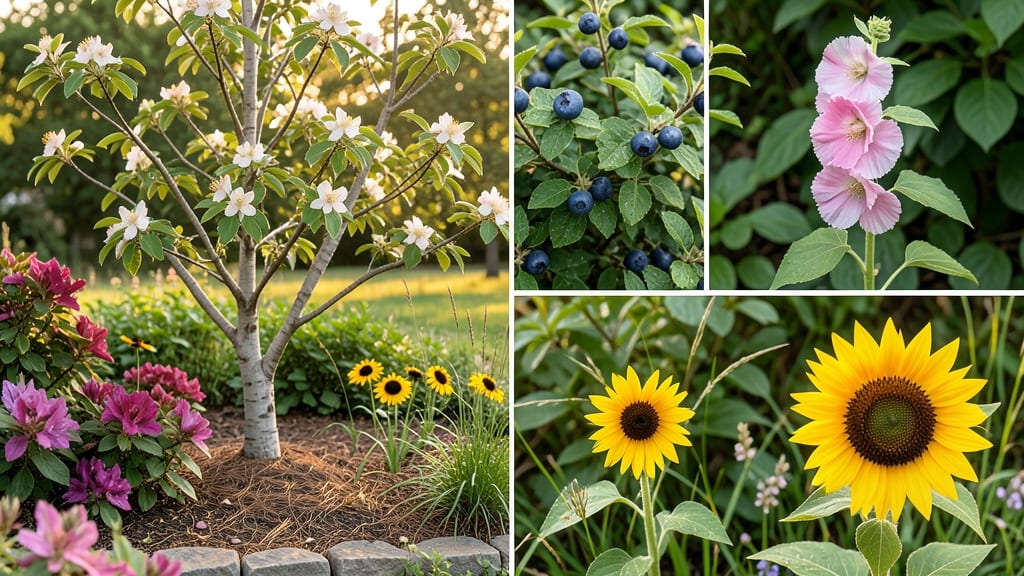
North Carolina's gardening zones range from USDA zone 5b in the mountains to 8b along the coast, creating dramatic differences in frost timing and planting windows. Coastal areas like Wilmington typically see their last frost in early March, while higher elevations like Boone may experience frost until late May.
Understanding these zones helps you pick the right plants for your specific location. For example, citrus thrives in Zone 8's coastal warmth, while peaches need Zone 7's cooler mountain climate. The variation comes from elevation changes—every 1,000 feet up can push you back an entire zone.
I always recommend checking your exact county's frost dates, as they can shift by weeks even within the same zone.
This variation means your planting schedule should adjust dramatically. Coastal gardeners can start warm-season crops like tomatoes in March, while mountain gardeners might wait until May. The key is knowing your last frost date—most NC counties have 30-60 days between coastal and mountain regions.
For precise timing, I suggest using the NC State Extension's frost calculator, which accounts for local microclimates.
💡 In This Article
- How North Carolina’s USDA Zones Affect Plant Selection
- County-Specific Frost Dates and Planting Calendars
How North Carolina’s USDA zones affect plant selection
North Carolina’s dramatic elevation changes create a natural climate gradient that directly impacts what plants will thrive in your garden. The state spans USDA zones 5b through 8b, where each zone represents a 10°F temperature difference in average minimum winter temperatures.
For example, Asheville in Zone 6b (average winter lows of -5°F to 0°F) can support hardy fruit trees like apples, while Wilmington in Zone 8a (10°F to 15°F) allows for subtropical plants like figs and loquats. 🌱 This zone variation explains why peach trees flourish in the Piedmont (Zone 7) but struggle in coastal areas where winter chill hours are insufficient for proper fruit set.
The real magic happens at 1,000-foot elevation gains, which can shift you back an entire zone. Take the Blue Ridge Parkway as an example: Gardens at 3,000 feet in the mountains experience Zone 6 conditions, while just 50 miles east at sea level in Fayetteville, you’re in Zone 8.
This creates microclimates where gardeners at similar latitudes may have completely different growing seasons. Coastal areas benefit from the ocean’s temperature-moderating effect, while inland valleys can experience 5-10°F colder nights due to radiational cooling—this is why frost dates vary so dramatically even within the same county.
Understanding these zones helps you select plants that match your local climate. For instance, blueberries require 400-800 chill hours (hours below 45°F) to produce fruit, making them ideal for the mountains (Zone 6) but poor performers in coastal Zone 8 areas.
Similarly, okra thrives in the heat of Zone 8 but bolts quickly in Zone 6's shorter summers.
The key is matching your zone to plants with compatible temperature ranges and chill requirements—this ensures better establishment, flowering, and fruiting. 🌿 For example, while you might plant tomatoes in early April in Wilmington, mountain gardeners should wait until Memorial Day in May.
Another critical factor is the length of the growing season. Coastal areas enjoy 240-270 frost-free days, while mountain regions typically have only 150-180 days.
This affects what you can grow: Fast-maturing crops like bush beans and radishes work well in short-season areas, while sweet corn and melons need the longer summers found in lower elevations.
The USDA zone system gives you a starting point, but local conditions often require adjustments—this is why experienced gardeners in the same zone might have different planting schedules based on their specific microclimate.
Here’s how to put this knowledge into practice: Start by identifying your exact USDA zone using the NC State Extension’s interactive map, then cross-reference with your county’s average last frost date (available through local Cooperative Extension offices).
For example, while Zone 7 covers much of the Piedmont, the last frost in Raleigh typically occurs around April 15th, while in Greensboro it’s April 22nd—just a week’s difference that can mean the difference between successful and failed plantings.
The elevation effect also means that even within a single county, gardeners on ridge tops may need to wait 2-3 weeks longer to plant heat-loving crops than those in nearby valleys.
One common mistake is assuming all of Zone 7 has identical growing conditions.
In reality, the 1,000-foot elevation rule means that a garden at 2,000 feet in Wilkes County (Zone 6) might have more in common with gardens in Virginia’s Shenandoah Valley than with gardens at 500 feet just 10 miles away in Zone 7.
This is why local observations and historical frost records are invaluable—what works for your neighbor might not work for you if you’re just a few hundred feet higher in elevation. 🌄