
Tools
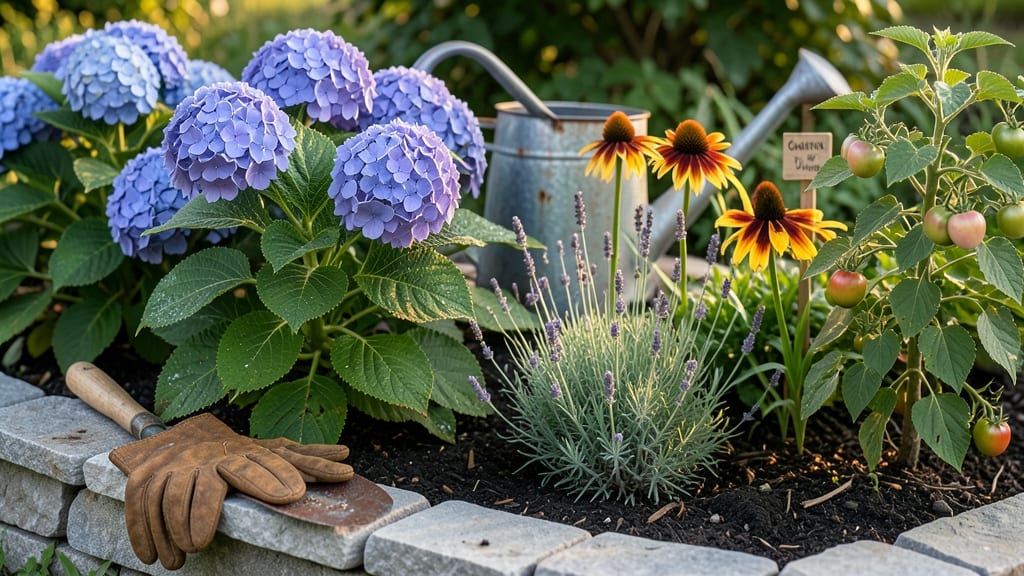
The PBS Garden Show provides expert-led gardening techniques, plant care guidance, seasonal planting advice, and sustainable landscaping strategies, making complex horticulture accessible for gardeners at every skill level. Each episode combines hands-on demonstrations with expert interviews to tackle common gardening challenges.
The PBS Garden Show stands out by blending practical advice with the science behind gardening. 🌱 Whether you're struggling with pest control or want to create a pollinator-friendly garden, the show breaks down complex topics into actionable steps.
I've found their segments on soil health particularly helpful—understanding microbial life in your soil can transform your plants' growth overnight. Plus, the show's focus on native plants and seasonal timing ensures you're always working with your local ecosystem, not against it.
What makes it even more valuable is how it connects theory to real-world results. 🌿 For example, their demonstrations on pruning techniques show exactly how to shape plants for better airflow and blooms.
You'll leave each episode with clear takeaways you can apply immediately, whether you're a beginner or a seasoned gardener looking to refine your skills.
💡 In This Article
- Topics and Expert Advice Featured in PBS Garden Show Episodes
- How to Apply PBS Garden Show Tips to Your Own Yard
Topics and expert advice featured in PBS garden show episodes
The PBS Garden Show dives deep into organic gardening practices with science-backed explanations. Horticulturists like P. Allen Smith break down how composting works at a microbial level—explaining how beneficial bacteria and fungi decompose organic matter at 140-160°F in your compost pile.
They demonstrate how to test soil pH using simple kits, showing how levels between 6.0-7.0 optimize nutrient uptake for most vegetables. 🌱 The show also covers native plant ecosystems, explaining why plants like milkweed (Asclepias) support monarch butterflies through their entire lifecycle, from egg to caterpillar to chrysalis.
Seasonal planting gets the scientific treatment too. Experts explain how daylength photoperiodism triggers flowering in plants like poinsettias—once days shorten below 12 hours of light, they enter their reproductive cycle.
The show's pest control segments reveal the life cycles of common garden pests, like Japanese beetles, which go through four stages: egg, larva, pupa, and adult. They demonstrate biological controls like introducing Tachinid flies (which parasitize beetle grubs) instead of chemical sprays.
Each demonstration includes before-and-after comparisons of treated vs. untreated plants to show real results.
Design principles get the same rigorous treatment. Episodes on perennial gardens explain how layering plants by height—starting with 3-foot shrubs at the back, 18-inch perennials in the middle, and 6-inch ground covers in front—creates visual depth while supporting pollinators.
They show how to calculate plant spacing using the "mature size" rule: if a plant grows 3 feet wide, space it 3 feet apart for optimal airflow. The show's seasonal color theory segments teach how to combine cool blues/purples with warm oranges in fall arrangements to create visual contrast.
What sets the show apart is its hands-on approach to demonstrating techniques. For example, their pruning segments show exactly where to make cuts—just above a leaf node—using sharp bypass pruners to avoid tearing bark.
They compare shear-pruned hedges (which look neat but reduce flowering) to selective pruning (which encourages new growth). The show even includes time-lapse videos showing how plants respond to different pruning methods over 4-6 weeks. This visual evidence makes complex horticultural concepts instantly understandable.
For those interested in sustainable landscaping, the show features segments on creating rain gardens that filter runoff while supporting native wildlife.
Experts demonstrate how to calculate water absorption rates by measuring how quickly 1 inch of water drains through different soil types—sandy soil drains in 10 minutes, while clay holds water for over 2 hours.
They show how to design these gardens with 3 layers: deep-rooted plants like coneflowers at the back, medium-height plants like black-eyed Susans in the middle, and shallow-rooted plants like creeping thyme in the front.
The show's expert interviews add another dimension, featuring horticulturists from major institutions like the U.S. National Arboretum. These segments explain how plants like serviceberry trees (Amelanchier) provide four seasons of interest: white spring blooms, edible summer berries, fall foliage, and winter bark texture.
The interviews also cover climate adaptation, showing how to select plants that thrive in USDA Hardiness Zones 5-9 while requiring minimal water once established. 🌿 This practical science helps gardeners make informed choices that reduce maintenance while increasing ecological benefits.