
Tools
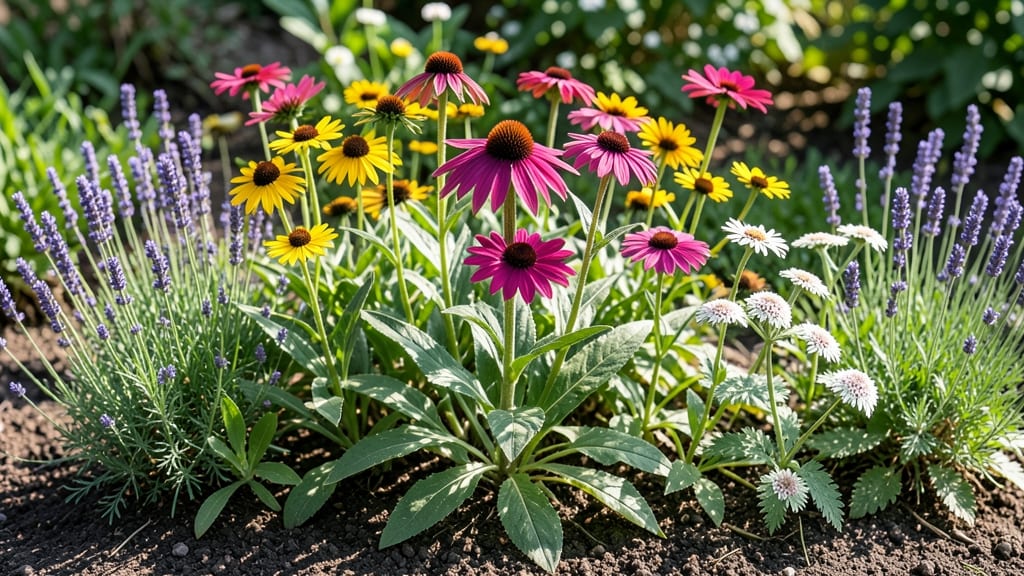
A perennial garden mix creates a low-maintenance landscape with layered plants that bloom sequentially, ensuring year-round color while reducing watering, pruning, and replanting needs. Combine grasses, shrubs, and flowering perennials for texture and depth.
A perennial garden mix works by strategically pairing plants with different bloom times, heights, and foliage textures. 🌿 This creates visual interest throughout the seasons—spring bulbs, summer bloomers, and fall foliage—while minimizing gaps.
I’ve found that including native plants boosts resilience, as they naturally adapt to local soil and climate conditions. The key is starting with a solid foundation of hardy perennials like coneflowers or black-eyed Susans, then adding ornamental grasses for movement and structure.
What sets this approach apart is the reduced labor compared to annual gardens. Once established, perennials spread and self-seed, creating a self-sustaining ecosystem. 🌱 For instance, a mix of Russian sage (drought-tolerant) and heuchera (colorful foliage) can thrive with minimal intervention.
The real magic happens when you plan for seasonal succession—each plant has its moment to shine, keeping your garden vibrant without constant replanting.
💡 In This Article
- How to Design a Balanced Perennial Garden Mix
- Top Perennial Plants for a Low-Maintenance Mix
How to design a balanced perennial garden mix
The foundation of a thriving perennial garden mix lies in strategic layering—a technique inspired by forest ecosystems where sunlight filters through different canopy levels.
Start with tall plants (4-6 feet) like Joe Pye weed or Russian sage at the back, then add mid-height perennials (2-3 feet) such as coneflowers or black-eyed Susans in the middle layer. Finally, fill the front with short ground covers (6-12 inches) like creeping thyme or ajuga.
This structure ensures no plant is overshadowed, allowing each to receive the 6-8 hours of sunlight they need for optimal photosynthesis.
The seasonal bloom cycle is where the science gets fascinating. Perennials like bleeding heart bloom in spring, daylilies take over in summer, and sedum glows in fall.
This sequential flowering isn't just about aesthetics—it's an ecological strategy to maintain pollinator activity year-round. 🌸 For example, bee balm attracts hummingbirds in late summer when many plants have finished blooming.
The key is selecting varieties with staggered flowering windows (e.g., early March to late October) so your garden never looks bare. Soil compatibility also matters: most perennials thrive in well-draining soil with pH 6.0-7.0, but acid-loving plants like heathers need pH 4.5-5.5.
Color coordination works best when you use the 60-30-10 rule—60% dominant colors (like blues and purples), 30% secondary hues (yellows or whites), and 10% accent shades (reds or oranges). This creates visual harmony while preventing color fatigue.
I've found that purple coneflowers paired with silver foliage (like lamb's ear) create striking contrast without competing. The texture game is equally important: mix fuzzy lamb's ear with smooth hosta leaves and feathery ornamental grasses for tactile diversity.
This layering isn't just decorative—it mimics natural ecosystems where varied textures reduce pest pressure by breaking up habitats where insects could thrive unchecked.
Plant compatibility extends beyond aesthetics—it's about root competition and disease resistance. For instance, mums and shasta daisies share similar water needs but shouldn't be planted directly together, as they can compete for nutrients. Instead, pair mums with sedum (which thrives in similar conditions but has different root structures).
The spacing rule is crucial: give tall perennials 2-3 feet of clearance, mid-height plants 1-2 feet, and ground covers 12-18 inches. This prevents overcrowding, which leads to fungal diseases from poor air circulation. 🌿 A well-spaced design also makes maintenance easier—you can reach plants without trampling nearby foliage.
Consider the microclimate of your space. South-facing areas get intense afternoon sun (ideal for black-eyed Susans), while north-facing spots stay cooler (perfect for heuchera). Wind exposure matters too—Russian sage and lavender handle breezy conditions, while hostas need protection.
The soil depth varies by plant: deep-rooted varieties like peony need 12+ inches of soil, while shallow-rooted ajuga thrives in just 6 inches. Testing your soil's organic matter content (aim for 5-10%) will help you amend with compost or sand as needed.
This attention to detail ensures your mix doesn't just look good—it performs well for decades.
One advanced technique I've mastered is plant drift—allowing perennials to spread naturally over time. For example, catmint spreads 1-2 feet per year, while creeping phlox expands 6-12 inches annually. This creates a self-sustaining garden where gaps automatically fill. The trade-off?
You'll need to divide clumps every 3-5 years to maintain vigor. Another pro tip: mulch heavily (3-4 inches of shredded bark) to suppress weeds and retain moisture—this reduces watering by 30-50% compared to annual gardens. The result is a landscape that looks intentional with minimal effort.