
Blooming
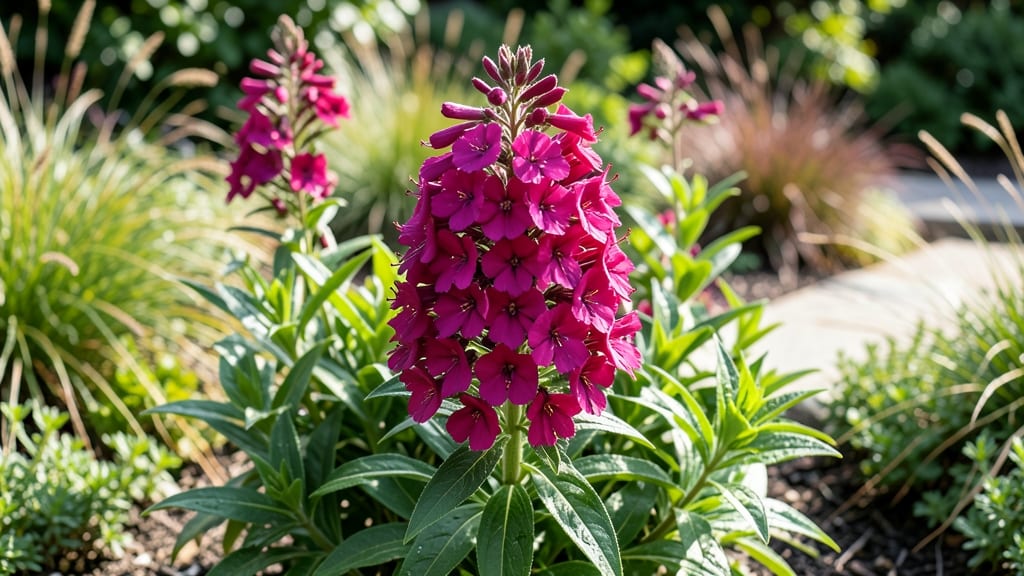
Garden phlox do bloom all summer, typically from early June through August, though timing shifts by variety—early types may start in May while late varieties can flower into September. Consistent care like deadheading and proper watering keeps them blooming longer.
These hardy perennials thrive in USDA zones 3-9, with bloom duration directly tied to sunlight exposure—full sun gardens often see longer flowering periods. 🌸 The key to summer-long color is understanding your specific variety: tall garden phlox (like 'David') peak in mid-summer, while border phlox (such as 'Lipstick') may start earlier but fade sooner without maintenance.
I've found that regular deadheading—removing spent blooms—can add 2-4 extra weeks of vibrant flowers when done correctly.
What many gardeners don't realize is that phlox actually produce two types of blooms: the showy terminal flowers you see first, followed by smaller side shoots. This sequential blooming explains why they can look patchy if not cared for properly.
The secret weapon? A balanced 10-10-10 fertilizer applied in early spring gives them the nutrients to sustain continuous flowering through heat waves.
💡 In This Article
- Phlox Blooming Seasons by Variety Type
- Extending Phlox Blooms: Pruning and Care Tips
Phlox blooming seasons by variety type
Garden phlox actually come in three main types, each with distinct bloom windows that determine how long you'll enjoy their vibrant colors.
Tall garden phlox (like 'David' or 'Bright Eyes') typically burst into bloom in mid-June and continue through late August, with peak flowering around July 4th in most regions.
Their stems reach 2-4 feet, making them perfect for backyard borders, but they need full sun (6+ hours daily) to sustain their long blooming periods.
Border phlox varieties (such as 'Lipstick' or 'Blue Paradise') tend to be earlier bloomers, often starting in late May and peaking in early June, but they fade faster—usually by mid-July—unless you practice aggressive deadheading.
These shorter varieties (1-2 feet) thrive in partial shade and are better suited for woodland gardens where temperatures stay cooler. The difference comes down to their native habitats: tall phlox evolved in open meadows while border types prefer dappled sunlight.
Woodland phlox (like 'Mourning Widow' or 'Blue Moon') have the shortest but most reliable bloom window, typically flowering from May through June in USDA zones 4-8. What makes them special is their ability to rebloom in late summer if given proper care, though this second flush is usually smaller.
Their delicate 1-2 foot stems produce clusters of tiny flowers that create a sea of color when planted in masses, but they require well-draining, slightly acidic soil (pH 6.0-6.5) to perform at their best.
Climate plays a surprising role in bloom duration. In hotter southern regions (zones 7-9), phlox often start blooming earlier but may struggle in August heat, sometimes requiring afternoon shade to prevent bud drop.
Northern gardeners (zones 3-5) typically see longer blooming seasons because cooler temperatures reduce stress on the plants. The 10°F temperature difference between northern and southern summers can shift bloom timing by 2-3 weeks—that's why your neighbor's phlox might look amazing while yours seem lackluster.
Here's what's actually happening biologically: phlox flowers develop along the main stem and side shoots, but the terminal flowers (at the stem tips) open first and are the showiest. Once these fade, the plant shifts energy to the smaller side buds.
This sequential blooming pattern explains why phlox can look patchy—if you don't remove spent blooms, the plant wastes energy trying to support dying flowers instead of producing new ones. The good news?
This same mechanism means you can often coax 2-3 weeks of additional blooms by cutting back the plant after the first flush.
Consider these key factors when planning your phlox garden:
- Sunlight needs: Tall phlox require full sun (6+ hours), while border types tolerate partial shade (4-6 hours)
- Soil preferences: All varieties prefer moist, well-draining soil with organic matter (compost or peat moss)
- Hardiness zones: Northern varieties (zones 3-5) bloom longer than southern types (zones 7-9) due to temperature differences
- Color timing: Early bloomers (May-June) often produce pink/purple flowers, while late types (July-August) tend toward white/lavender hues
The most reliable way to extend your phlox's summer display is to plant a mix of early, mid, and late varieties. This creates a staggered blooming effect that keeps your garden colorful from May through September.
For example, pairing 'David' (mid-summer) with 'Lipstick' (early summer) and 'Blue Moon' (late summer) gives you continuous color with minimal effort. 🌸