
Tools
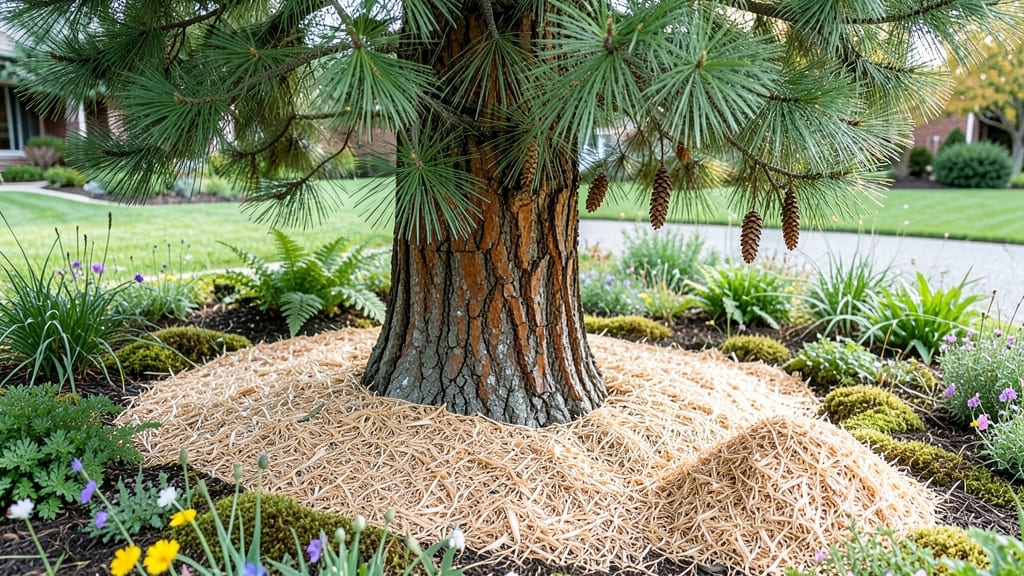
Using pine shavings in your garden enriches soil with organic material, lowers pH levels to support acid-loving plants like blueberries and azaleas, and helps control weeds while preserving soil moisture. Use them carefully to prevent over-acidification or nutrient deficiencies.
Pine shavings break down slowly, releasing natural acids that gradually adjust soil chemistry—ideal for plants that thrive in slightly acidic conditions. 🌱 They also create a protective mulch layer that blocks sunlight from weed seeds while retaining moisture during dry spells.
However, overuse can create a thick, impenetrable mat that smothers plant roots or locks out essential nutrients like nitrogen. I recommend mixing them with compost or lime to maintain a balanced growing environment.
For best results, apply a thin layer—no more than ¼ inch—around acid-loving perennials like hydrangeas or ferns. Avoid using them in vegetable gardens where nutrient balance is critical, as the slow decomposition can temporarily deplete available nitrogen.
Always test your soil first to ensure the pH is already in the 4.5-6.0 range before adding more acidifying materials.
💡 In This Article
- How Pine Shavings Affect Soil pH and Plant Growth
- Best Practices for Applying Pine Shavings in Gardens
How pine shavings affect soil pH and plant growth
The magic of pine shavings lies in their chemical composition, particularly the tannins they release as they decompose. These natural compounds slowly acidify the soil by lowering its pH, creating an environment that mimics the acidic conditions where pine trees naturally grow.
When applied to garden beds, pine shavings break down at a rate of about 1-2 inches per year, releasing organic acids that can shift soil pH by 0.5-1.5 points over time.
This gradual process is ideal for plants that prefer slightly acidic soil, like blueberries (pH 4.5-5.5) or azaleas (pH 5.0-6.0). 🌿
The decomposition process also releases resins and other organic compounds that act as natural fungicides, suppressing harmful pathogens while promoting beneficial soil microbes. However, this same chemistry has a downside: the slow breakdown can temporarily lock up essential nutrients like nitrogen, making them unavailable to plants.
This is why you'll often see stunted growth in vegetable gardens when pine shavings are overused—the nitrogen becomes "tied up" in the decomposition process rather than being released for plant uptake. The key is balance: pine shavings work wonders for acid-lovers but can create nutrient imbalances for other plants.
What makes pine shavings particularly effective is their ability to retain moisture while preventing weed growth. The coarse texture creates a protective layer that blocks sunlight from reaching weed seeds, while the slow decomposition maintains consistent soil moisture levels.
This dual benefit makes them a favorite among gardeners who want low-maintenance mulch that doubles as a soil amendment. However, the moisture retention can also create ideal conditions for fungal growth if the layer becomes too thick—this is why the ¼-inch maximum thickness recommendation exists.
For plants that thrive in acidic conditions, pine shavings can be a game-changer. Blueberries, for example, require consistently acidic soil to produce fruit, and pine shavings provide a steady, natural source of acidification that's more sustainable than chemical amendments.
The same goes for rhododendrons and ferns, which both prefer the slightly acidic environment that pine shavings create. The visual difference is striking: plants that struggle in neutral or alkaline soil will often show dramatic improvements in growth and flowering within a single growing season after pine shavings are applied.
But here's the catch: not all pine shavings are created equal.
Freshly cut pine shavings contain higher concentrations of volatile oils and tannins, which can have a more immediate (and sometimes harsh) effect on soil pH. As they age and weather, these compounds break down, making older shavings a gentler option.
This is why many gardeners prefer to use shavings that have been stored for at least 6 months—they've had time to lose some of their more aggressive chemical properties while retaining their soil-enriching benefits. 🌱
The real science happens at the microbial level. Pine shavings encourage the growth of specific soil bacteria and fungi that thrive in acidic conditions, creating a beneficial microbial community that supports acid-loving plants.
These microbes help break down the shavings further, creating a self-sustaining cycle that gradually improves soil structure over time. The result is a soil environment that's not just acidic, but also rich in organic matter and beneficial microbial life—perfect for plants that have evolved to thrive in these conditions.