
Tools
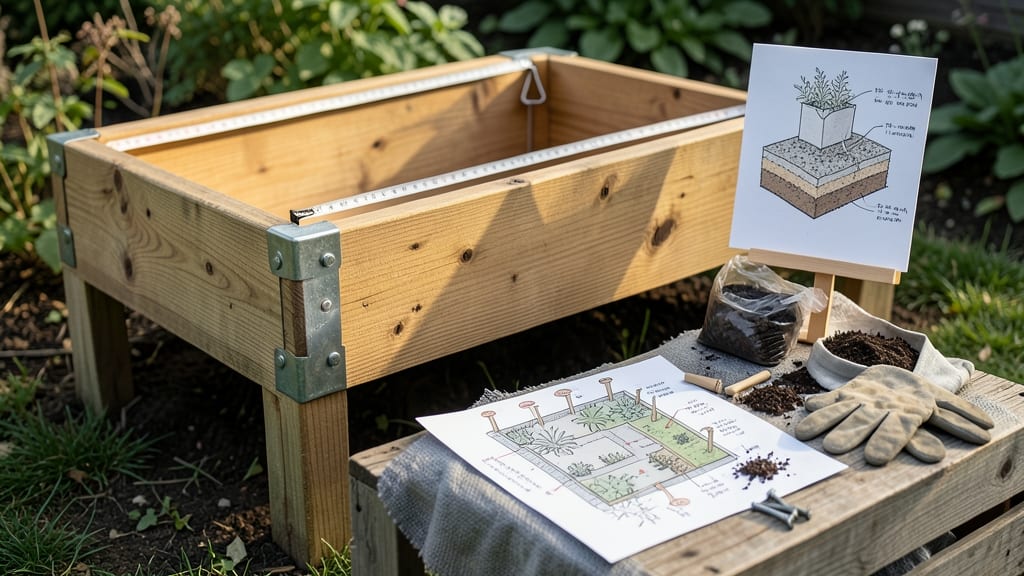
The ideal dimensions for raised garden beds balance accessibility and plant health: keep width at 3–4 feet for easy reach, length under 8 feet to prevent soil compaction, and height between 6–12 inches for proper root growth while reducing back strain. Adjust these based on your soil type and the plants you're growing.
The right dimensions make all the difference in how your garden performs. A 3–4 foot width lets you comfortably reach the center without stepping inside, while keeping the length under 8 feet prevents soil from becoming too dense or difficult to manage.
As for height, the 6–12 inch range gives roots enough space while keeping the bed at an ergonomic level for planting and harvesting. 🌱 For example, taller beds (12 inches) work well for deep-rooted plants like tomatoes, while shallower beds (6 inches) suit herbs and leafy greens better.
What’s fascinating is how these dimensions also affect soil temperature and moisture. Deeper beds stay cooler in summer, which benefits heat-sensitive crops, while shorter beds dry out faster—great if you’re growing drought-tolerant plants.
I’ve found that adjusting height based on your local climate can make a huge difference in yield and plant vitality.
💡 In This Article
- How Raised Garden Bed Dimensions Impact Plant Growth and Soil Health
- Practical Guidelines for Choosing Raised Garden Bed Dimensions by Plant Type
How raised garden bed dimensions impact plant growth and soil health
Width directly influences how well you can access the center of your bed without stepping into the soil, which is critical for maintaining plant health. A 3–4 foot width creates a natural work zone where your arms can comfortably reach across without straining your back or disturbing plants.
Studies show that beds wider than 4 feet force gardeners to step inside, compacting soil and creating footpaths that disrupt root systems. Narrower beds (under 3 feet) may limit sunlight exposure to the center, especially for taller plants like corn or sunflowers, which need full sun on all sides.
Length affects soil moisture retention and compaction. Beds longer than 8 feet become difficult to manage because the soil at the far end stays wetter, creating ideal conditions for fungal diseases like damping-off. The weight of the soil also increases, making it harder to turn or amend.
For example, a 6-foot-long bed provides a good balance—long enough for variety but short enough to ensure even water distribution and easy access from both sides.
Deeper beds (12+ inches) improve drainage and accommodate deep-rooted plants like asparagus or carrots, while shallower beds (6 inches) work better for shallow-rooted herbs and leafy greens.
Height plays a crucial role in soil temperature and root development. A 6-inch-tall bed warms up faster in spring, which is ideal for early planting, but may dry out quicker in hot climates. Conversely, a 12-inch-tall bed retains moisture longer and provides better insulation against temperature fluctuations.
The extra height also reduces back strain, making gardening more comfortable for those with mobility issues. For instance, tomatoes thrive in taller beds because their roots can spread deeper, while strawberries prefer shallower beds to keep their fruit closer to the surface for easier harvesting.
Soil composition also interacts with these dimensions. In sandy soils, deeper beds help retain moisture, while in clay-heavy soils, taller beds improve drainage. For example, a 10-inch-tall bed in clay soil prevents waterlogging, whereas a 6-inch-tall bed in sandy soil may require more frequent watering.
The key is to match bed height to your soil type and the specific needs of the plants you’re growing. 🌱
Another critical factor is the bed’s material. Cedar or redwood, which resist rot, are ideal for taller beds because they last longer in moist conditions. For shorter beds, untreated lumber or composite materials work well.
The choice of material can influence how you adjust dimensions—heavier materials may require shorter lengths to avoid structural issues, while lighter materials allow for longer, wider designs.
Finally, consider the microclimate of your garden. In cooler regions, taller beds help extend the growing season by warming up faster. In hotter climates, shallower beds with mulch reduce heat stress on plants.
For example, a 8-inch-tall bed in a desert climate might need extra mulch to retain moisture, while a 12-inch-tall bed in a temperate zone could support a wider variety of deep-rooted crops.