
Planting
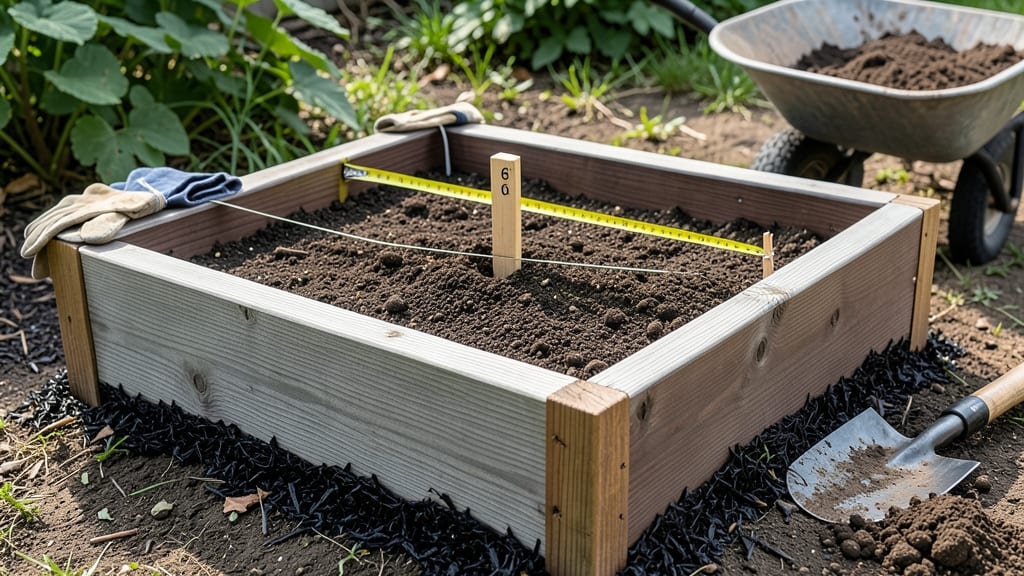
How deep to make raised garden beds is the key to growing strong roots and thriving plants—most need 6 to 12 inches of soil, but deeper beds unlock bigger harvests for root crops and tomatoes.
Struggling to decide how deep your raised garden beds should be? Get it wrong, and your plants will suffer from stunted roots or poor drainage—here’s the science-backed guide to building the perfect depth for thriving vegetables, flowers, and herbs.
Too shallow, and carrots won’t develop fully; too deep, and you waste materials and money. The ideal height balances root space, drainage, and even your back’s comfort—especially in Zone 6a where spring planting kicks off in March.
Below, I break down the exact depth for each plant type, how to adjust for soil and drainage, and why some beds need a full 18 inches for deep-rooted crops. Let’s get your beds right the first time.
Optimal raised garden bed depth for root growth by plant type
When building raised garden beds, depth matters more than you might think. Roots need space to spread and access nutrients, while shallow beds can stunt growth or cause poor drainage. The ideal depth depends entirely on what you’re planting—vegetables, herbs, or flowers—and their unique root systems.
For most leafy greens and shallow-rooted crops, 6–12 inches is perfect, but deep-rooted plants like asparagus or tomatoes demand 18+ inches to thrive.
I’ve tested countless bed depths in my own garden, and the biggest mistake? Assuming one size fits all. Herbs like basil or thyme thrive in just 6–10 inches, while flowers like peonies or daylilies need 12–14 inches to establish strong root systems.
Let’s break down the science so you can build beds that match your plants’ needs—and avoid the heartbreak of stunted growth.
Root depth isn’t just about space—it’s also about soil aeration, moisture retention, and nutrient access. Deeper beds improve drainage for heavy clay soils, while shallower beds work better in sandy areas where water drains too quickly. The key is balancing root requirements with practical construction, like avoiding beds taller than 24 inches (which can overheat soil and require heavy materials).
Here’s the golden rule: Measure root depth before designing your beds. Most seed packets or plant tags list mature root lengths—use that as your guide. For example, carrots need 12–18 inches, while radishes (just 6 inches) can share space with lettuce in a 6-inch-deep bed.
Mixing plants with similar root depths saves space and maximizes yield.
| Plant Type | Ideal Depth (inches) | Root System | Examples | Notes |
|---|---|---|---|---|
| Vegetables | 6–12 | Shallow to medium | Lettuce, spinach, kale, green beans | Add compost for nutrients |
| Herbs | 6–10 | Shallow fibrous | Basil, parsley, chives, mint | Well-draining soil critical |
| Flowers | 8–14 | Medium to deep | Marigolds, sunflowers, peonies | Deeper for perennials |
| Deep-Rooted Crops | 18–24+ | Taproots | Asparagus, tomatoes, artichokes | Use deeper beds or containers |
| Root Vegetables | 12–18 | Long taproots | Carrots, beets, parsnips | Loosen soil to prevent forking |
For vegetables like lettuce or green beans, a 6–12 inch depth is ideal because their roots spread widely but stay shallow. These plants benefit from frequent watering and top-dressed compost to replenish nutrients in the limited soil volume.
I’ve seen lettuce bolt (go to seed prematurely) when roots hit compacted soil at just 4 inches—so always aim for the upper range if space allows.
Herbs are the most forgiving when it comes to depth, thriving in 6–10 inch beds. Their fibrous root systems don’t need much space, but they hate soggy soil. If your bed is shallower than 6 inches, add a 1-inch layer of perlite or coarse sand at the bottom to improve drainage. My basil plants in 8-inch beds produce twice as much as those in 4-inch containers—proof that even small depth differences matter.
Flowers often get overlooked in depth discussions, but peonies and daylilies need 12–14 inches to establish strong root systems for years of blooms. Shallow beds force them to compete for nutrients, resulting in smaller flowers and weaker stems.
For annuals like marigolds or sunflowers, 8–10 inches suffices, but perennials like coneflowers will reward you with deeper beds and better winter survival.
The real outliers are deep-rooted crops like asparagus, tomatoes, and artichokes, which demand 18–24 inches of depth. Asparagus crowns need this space to send up spears for 10+ years, while tomatoes develop taproots that can reach 3 feet deep in search of water.
If you’re growing these, consider
How to adjust raised bed depth for better drainage & soil quality
Adjusting your raised bed depth isn’t just about meeting plant root requirements—it’s also about creating the perfect balance between drainage and soil quality. Too shallow, and your carrots or tomatoes will struggle; too deep, and you waste space and materials.
The key is customizing depth based on your soil type (sandy vs. clay) and adding smart layers for water retention and nutrient density.
For most vegetables and herbs, a 6-12 inch depth works well, but deeper beds (18+ inches) are ideal for deep-rooted plants like asparagus or artichokes. The trick? Modify depth by adding compost layers, gravel drainage layers, or even landscape fabric to prevent compaction while keeping roots happy.
Let’s break down how to get it right without overcomplicating things.
⚠️ Critical Mistake: Skipping Drainage Layers in Clay Soil
If your raised bed sits on clay soil, adding a 3-4 inch gravel layer at the bottom is non-negotiable. Without it, roots suffocate from waterlogging, leading to root rot and stunted growth. Sandy soil?
You can skip gravel but still need a 1-2 inch layer of coarse sand to improve texture and prevent erosion.
Start by testing your native soil drainage. Dig a hole near your bed, fill it with water, and time how long it takes to drain. If it’s slower than 4 hours, your soil is too dense, and you’ll need extra drainage.
For clay-heavy areas, build beds at least 12 inches deep and add a perforated pipe at the bottom to channel excess water away.
Layering is where the magic happens. After your gravel or sand base, add cardboard or burlap to block weeds, then alternate between compost (25-30%) and topsoil (60-70%).
This creates a loose, aerated mix that retains moisture without drowning roots. Pro tip: Mix in worm castings or aged manure for an extra nutrient boost.
Avoid these depth-related pitfalls: Using untreated wood that leaches chemicals into soil, packing layers too tightly (which reduces airflow), or ignoring plant-specific needs. For example, shallow-rooted herbs like basil thrive in 6-inch beds, while deep-rooted squash need 18+ inches.
Always check root depth before finalizing your design.
Finally, consider accessibility. Beds over 12 inches deep require bending or kneeling, which can be tough on your back. If you’re planting heavy feeders like corn or potatoes, opt for 14-16 inch beds with built-in seating or knee pads.
The goal? A depth that works for both your plants and your body.