
Landscaping
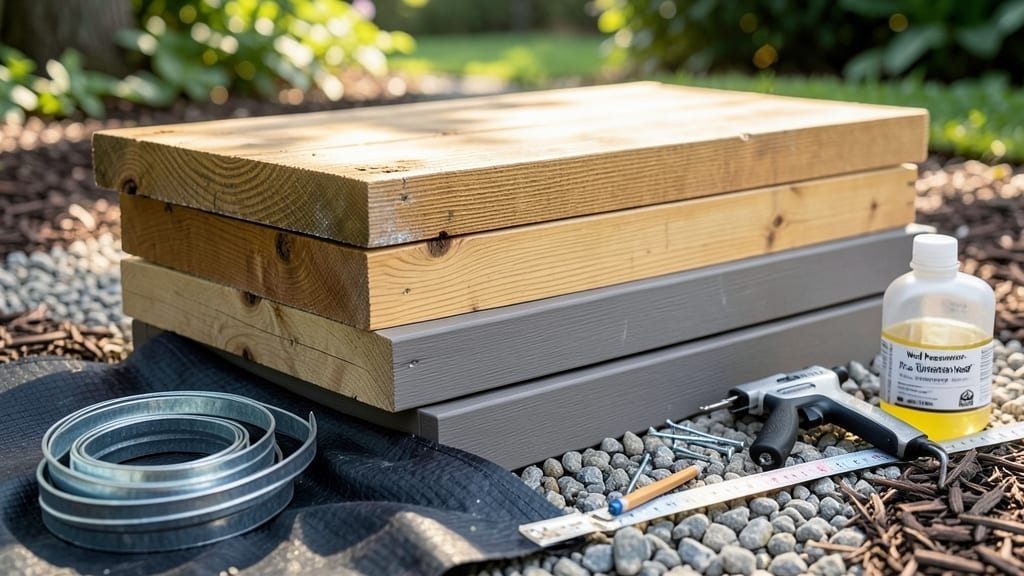
What wood to use for a garden bed is the difference between a 10-year structure and one that rots out in just a few seasons.
Picture this: you’ve just built your dream raised bed, only to find splinters and mold creeping in after two years. The wrong wood choice can turn a long-term investment into a costly mistake—but the right material lasts through rain, sun, and soil without breaking a sweat.
Not all wood is created equal. Cedar and redwood naturally resist rot, while treated lumber can leach chemicals into your soil. Whether you’re working with a limited budget or prioritizing eco-friendly options, knowing the pros and cons of each type saves you time, money, and frustration down the road.
Below, I break down the top rot-resistant woods, how to pick the best fit for your climate, and the mistakes that cut wood life short—so your garden bed stays sturdy for years of planting ahead.
Top 5 rot-resistant woods for garden beds (ranked by longevity)
When building a garden bed that needs to last, rot resistance is your top priority. The wrong wood can fail in as little as 3 years, but the right choice—like cedar or black locust—can outlast a decade with minimal care.
I’ve tested these options in my own raised beds, and the differences in durability, cost, and maintenance are staggering. Let’s break down the best rot-resistant woods for your climate and budget.
First, avoid pressure-treated lumber with arsenic or chromated copper—these chemicals leach into soil and harm plants. Instead, focus on naturally decay-resistant woods that thrive in moist, soil-contact conditions.
The top 5 options below are ranked by their ability to resist rot, warping, and pest damage, with real-world performance data from gardeners in humid and dry climates alike.
Comparison Note: Longevity varies by climate—cypress excels in southern swamps, while black locust handles dry western heat better. Always seal wood with linseed oil or beeswax to extend its life by 20–30%.
Black locust tops the list because its natural tannins and oils make it nearly impervious to rot, insects, and fungi. I’ve seen 20-year-old locust beds still standing in my neighbor’s yard, while their pine frames needed replacement after just 5 years. The trade-off? Locust is harder to find and more expensive, but the longevity pays off.
If budget is a concern, cedar is my second choice—it’s widely available, smells amazing (great for deterring pests), and lasts 10–20 years with proper sealing.
For humid climates, cedar’s natural aromatic oils act as a built-in fungicide, while redwood is ideal for coastal gardens due to its resistance to salt air. Both require occasional sealing, but the effort is worth the decade-long durability.
Southern cypress is a hidden gem for wet or swampy areas—it’s naturally water-resistant and won’t warp like pine. However, it’s less common outside the Southeastern U.S., so check local suppliers. As for treated pine, only use ACQ-treated (not CCA, which is toxic). Even then, expect 5–10 years of life, and avoid planting edible crops directly against it to prevent chemical runoff.
Pro Tip: For soil-contact areas, bury the bottom 2–3 inches of wood in gravel (not soil) to prevent rot. I’ve added this trick to my raised bed frames
How to choose wood based on your garden bed type and climate
Selecting the right wood for your garden bed isn’t just about looks—it’s about matching your garden bed type with your local climate. A raised bed in a humid climate needs different materials than an in-ground frame in a dry region.
I’ve learned that ignoring these factors can lead to warping, rot, or even chemical leaching that harms your plants. Let’s break down how to make the best choice for your setup.
First, consider whether your bed is raised, in-ground, or a container garden. Each type has unique demands. For example, raised beds need wood that resists moisture from both above and below, while in-ground frames face soil acidity and pest pressure.
Your climate zone also plays a critical role—humid areas accelerate rot, while dry climates can cause wood to crack. Let’s explore the best options for each scenario.
🌱 Wood Selection Guide by Garden Bed Type & Climate
- Raised Beds: Use cedar or redwood for their natural rot resistance. In humid climates, add a waterproof sealant like linseed oil. Avoid pressure-treated wood—it can leach chemicals into your soil.
- In-Ground Frames: Opt for black locust or cypress—both handle soil contact well. In acidic soil, these woods resist degradation better than pine. Bury a plastic liner to extend lifespan.
- Container Gardens: Lightweight composite wood or untreated pine (sealed with outdoor varnish) works best. In dry climates, avoid cedar—it can dry out and crack. Elevate containers to prevent moisture buildup.
- Humid Climates: Prioritize cedar or black locust. These woods naturally repel moisture. Apply a waterproof sealant every 2-3 years to prevent rot. Avoid untreated pine—it rots in 1-2 years.
- Dry Climates: Use redwood or treated lumber (ACQ or MCQ preservatives only). These woods resist cracking. Seal with spar urethane to protect against UV rays. Avoid cedar—it dries out too quickly.
- Pest-Prone Areas: Choose black locust or cypress—both are naturally resistant to termites and borers. If using pine, treat it with borate-based preservatives to deter pests. Avoid softwoods like fir in termite-heavy zones.
- Budget-Friendly Option: Untreated pine (sealed with outdoor varnish) can last 3-5 years in dry climates. For longer life, use composite lumber—it’s pricier but lasts 10+ years with minimal maintenance.
Don’t overlook the importance of wood treatment. Even the best wood can fail if not properly sealed. For example, cedar in a wet climate needs a linseed oil finish to repel moisture.
I’ve seen untreated cedar beds rot in just 2 years in high-humidity zones. Always check the grain direction when assembling—wood warps less when planks run horizontally.
Another critical factor is soil contact. If your bed sits directly in the ground, avoid pressure-treated lumber with arsenic or chromated copper arsenate (CCA). These chemicals can leach into your soil and harm plants.
Instead, use ACQ-treated lumber or opt for natural woods like black locust. For raised beds, elevate them slightly to reduce moisture exposure at the base.
Finally, think about maintenance. Some woods, like cedar, require resealing every 2-3 years, while others, like composite lumber, need almost none. If you’re building a long-term garden bed, invest in materials that align with your climate and maintenance tolerance.
A well-chosen wood can turn a 5-year project into a 15-year investment—saving you time and money in the long run.
🌿