
Pruning
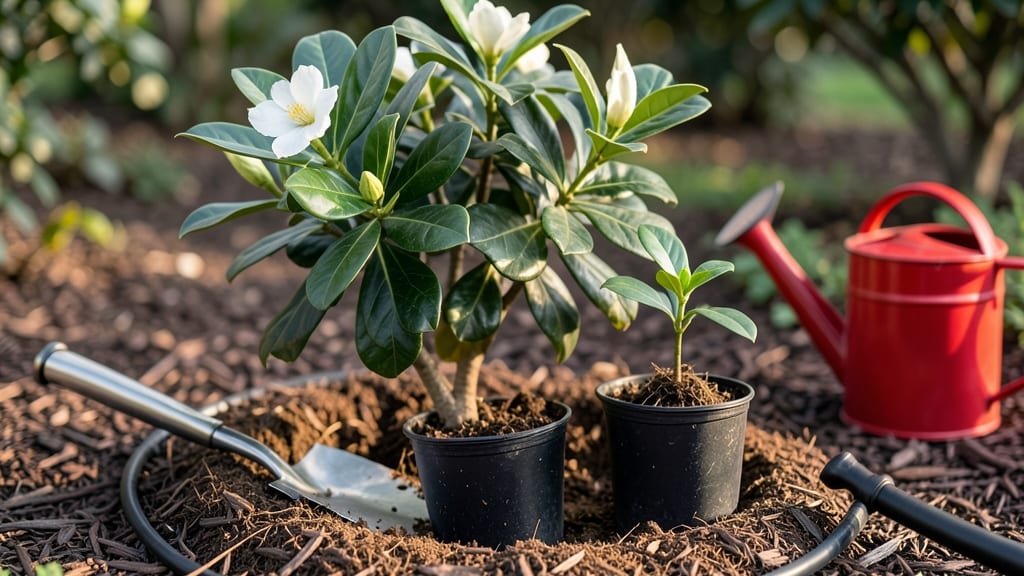
Planting a gardenia tree means choosing a vigorous nursery plant, preparing a hole twice the width of its root ball, and placing it in acidic, well-draining soil with filtered sunlight. Timing matters most—spring or early fall planting gives roots time to establish before summer's heat or winter's chill.
Gardenias are finicky but reward patience with their intoxicating blooms. The acidic soil requirement (pH 5.0-6.5) mimics their native tropical habitats, while partial shade prevents leaf scorch. 🌿 I've found that morning sun exposure—about 6 hours—strikes the perfect balance between energy production and moisture retention.
The key to success lies in these details: proper soil prep, strategic planting timing, and consistent moisture during the critical first two weeks after transplanting.
For best results, amend native soil with peat moss or pine bark fines to achieve that ideal acidity. Mulching with pine needles further maintains soil acidity while locking in moisture. Remember, gardenias hate soggy roots—ensure drainage holes in containers or sloped planting areas.
The first year focuses on root growth, not blooms, so resist the urge to fertilize heavily until you see new foliage.
💡 In This Article
- Optimal Conditions for Gardenia Tree Growth
- Step-by-Step Gardenia Planting Guide
Optimal conditions for gardenia tree growth
The acidic soil requirement (pH 5.0-6.5) isn't just a preference—it's a biological necessity. Gardenias evolved in tropical regions where decaying organic matter naturally acidifies the soil. This acidity unlocks essential nutrients like iron and manganese, which gardenias need to produce their signature fragrant blooms.
Without proper acidity, leaves turn yellow (a classic sign of iron chlorosis) and growth stalls. 🌱 Think of it like a tropical rainforest: the rich, humus-laden soil provides both moisture retention and the perfect chemical environment for these delicate plants.
Sunlight exposure creates a delicate balance gardeners often overlook. While gardenias need 6+ hours of sunlight daily to flower, direct afternoon sun (especially in hot climates) can scorch leaves by raising leaf temperatures above 90°F. Morning sun provides the energy they need while avoiding the midday intensity.
This is why gardenias thrive in partial shade—it mimics their native understory habitats where they receive dappled light through taller canopy trees. The ideal spot gets bright indirect light or morning sun with afternoon shade from nearby trees or structures.
Seasonal timing affects root establishment more than most gardeners realize. Planting in spring (after last frost) or early fall (6-8 weeks before first frost) gives roots time to develop before extreme weather stress. Summer planting risks heat shock, while winter planting exposes tender roots to freezing temperatures.
The 3-4 week window before summer's peak heat or winter's first frost is critical—it's when soil temperatures remain moderate (60-75°F), allowing roots to spread without stress. This is why garden centers often sell bare-root specimens in early spring—they're designed for immediate planting when soil conditions are ideal.
Watering patterns matter just as much as soil composition. Gardenias have shallow root systems that need consistent moisture but despise soggy conditions. The first two weeks after planting are critical—water deeply 2-3 times per week to encourage root expansion into the surrounding soil.
After establishment, reduce to once weekly (more in hot climates), always checking that the top 2 inches of soil are dry before watering. Overwatering triggers root rot, while underwatering causes buds to drop before opening.
This moisture balance is why gardenias often struggle in containers—they dry out faster and need more frequent watering attention.
Mulching serves three crucial functions: maintaining soil acidity, conserving moisture, and regulating temperature. A 3-inch layer of pine needles or finely shredded bark releases organic acids as it decomposes, gradually lowering pH over time. This mulch also blocks weeds that compete for nutrients and insulates roots from temperature swings.
The best mulch materials contain 10-15% organic matter—think pine straw or oak leaves—which break down slowly to feed the soil without smothering roots. Keep mulch 2-3 inches away from the trunk to prevent moisture buildup that could cause rot.
What most gardeners don't realize is how temperature affects flowering. Gardenias need warm days (75-85°F) and cool nights (60-65°F) to set buds. When nights stay above 70°F for extended periods, buds drop before opening—a common frustration in hot climates.
This is why gardenias bloom most prolifically in spring and fall when temperature fluctuations create the ideal conditions. In warmer regions, providing afternoon shade during summer months can help maintain this temperature balance and encourage more consistent blooming. 🌸