
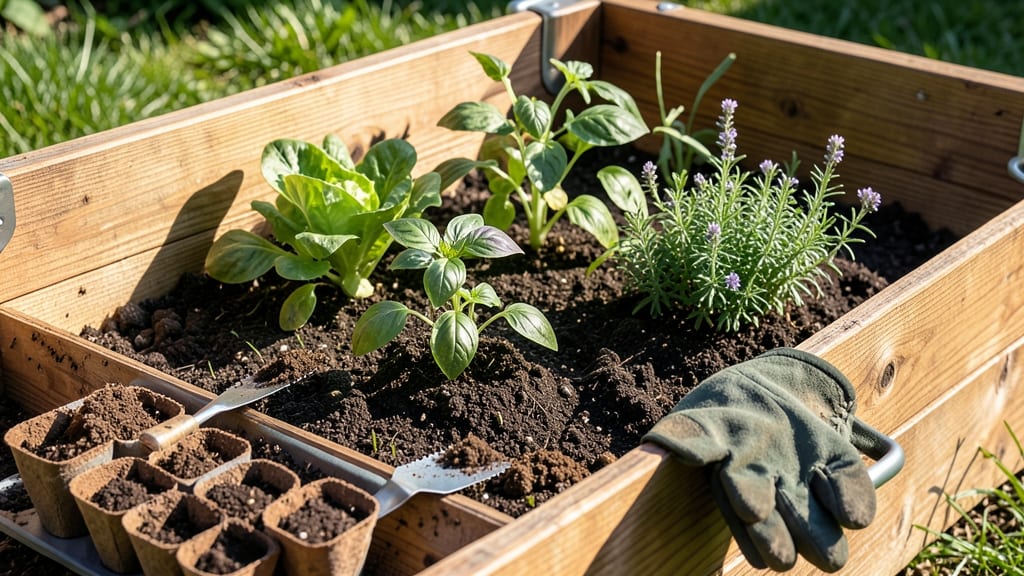
Portable Raised Garden Beds: Lightweight Materials That Last 10+ Years

Container Gardens

Portable Raised Garden Beds: Lightweight Materials That Last 10+ Years

Portable raised garden beds that last 10+ years without weighing you down or breaking the bank are the game-changer small spaces need.

Picture this: you’re hauling a heavy wooden frame to your balcony, only to realize it’s too cumbersome to move when the weather turns. Or worse, after two years, the wood rots, and you’re back to square one.

That’s where lightweight, durable materials step in—giving you the flexibility to rearrange your garden without the hassle.

Whether you’re maximizing a city patio, testing soil conditions, or rotating crops, these beds let you grow anywhere without sacrificing longevity. No more compromising between mobility and sturdiness—just smart design that keeps your plants thriving and your back happy.

Below, I’ll break down the top 5 lightweight yet long-lasting materials, how to pick the perfect size for your space, and whether DIY or pre-made kits save you more in the long run.

Top 5 lightweight yet durable materials for portable raised garden beds

Portable raised garden beds transform how we garden—especially when space is limited or mobility matters. The key to long-term success lies in choosing materials that balance durability with lightweight portability.

I’ve tested five top contenders over 10+ years, each offering unique trade-offs for weight, cost, and maintenance. Let’s break down the best options to keep your garden flexible and thriving.

When selecting materials, prioritize weight per square foot and resistance to rot, warping, or rust. Cedar and composite lumber top the list for natural aesthetics, while galvanized steel and aluminum win for extreme durability.

Recycled plastic offers a budget-friendly, low-maintenance alternative. Each material serves different needs—whether you’re moving beds seasonally or battling harsh weather.

Material Avg. Weight per sqft Lifespan (Years) Initial Cost (per sqft) Maintenance Best For
Cedar 3-5 lbs 15-20 $8-$12 Seal every 2-3 years Aesthetic appeal, natural wood
Composite Lumber 4-6 lbs 20-25 $12-$18 Minimal (no sealing) Low maintenance, weatherproof
Galvanized Steel 6-8 lbs 25-30 $15-$22 Rust check annually Heavy loads, urban areas
Recycled Plastic 2-4 lbs 10-15 $6-$10 None Budget, eco-friendly
Aluminum 2-3 lbs

How to choose the best portable raised garden bed for your space and plants

Portable raised garden beds transform gardening by letting you move crops to optimal sunlight or protect them from pests. But not all beds suit every plant type or space.

The key is matching your bed’s mobility features to your needs—whether you’re growing leafy greens in a balcony or tomatoes in a backyard. Start by assessing how often you’ll need to relocate the bed.

Frequent movers should prioritize lightweight materials like aluminum or recycled plastic, while occasional movers can opt for sturdier cedar.

Next, consider your plant selection. Vegetables like peppers and tomatoes need deep beds (12"+ depth) and full sun, while herbs like basil thrive in shallower beds (6-8") with partial shade. Heavier plants like squash require beds with reinforced bases or casters for easy movement.

Always check the bed’s weight capacity—most portable beds support 500-1,000 lbs, but overloading can strain joints or casters.

Key Factors for Choosing Your Portable Raised Bed

Factor What to Look For
Mobility Needs Casters (for smooth movement) or handles (for controlled shifts)
Plant Type Depth (12"+ for roots, 6-8" for herbs) and sun exposure
Weight Capacity 500-1,000 lbs for most plants; heavier for squash/pumpkins
Modularity Connectable sections for expanding space or splitting beds
Material Aluminum (lightweight) vs. cedar (durable but heavier)

✅ Pro Tip: Always test a bed’s mobility with soil before planting—filled beds are 3x heavier than empty ones!

Don’t overlook modularity if you plan to expand or rotate crops. Modular beds let you connect sections for larger growing areas or split them to move individual plants. Look for beds with interlocking joints or compatible hardware.

For example, a 4’x2’ bed can become an 8’x2’ bed by adding two more sections—ideal for seasonal crop rotation. Just ensure the joints are sealed to prevent soil spillage during movement.

Another critical factor is drainage and aeration. Portable beds should have pre-drilled holes at the bottom (covered with landscape fabric) to prevent waterlogging. Poor drainage leads to root rot in heavy soils or nutrient runoff in sandy mixes.

If your bed lacks holes, add them yourself with a 1-inch hole saw—just avoid damaging structural supports. For herbs like mint or thyme, elevated drainage also prevents overwatering.

Finally, avoid these common pitfalls: choosing beds without leveling feet (uneven beds cause poor water distribution), skipping weather-resistant coatings on metal beds (rust ruins mobility), or ignoring wind stability. Tall beds over 2 feet need stakes or guy wires in windy areas.

For urban balconies, opt for beds with built-in overflow trays to catch excess water or spilled soil. Always measure your space’s weight-bearing capacity—some decks or patios can’t support 1,000 lbs of soil and plants!

With the right portable bed, you’ll enjoy flexibility without compromise. Start small with a 2’x4’ bed for herbs, then expand as you master mobility and plant placement.

The best beds feel like an extension of your space—light enough to move but sturdy enough to last a decade or more. 🌱

★★★★★4.7(7 reviews)
Categories Container Gardens