
Tools
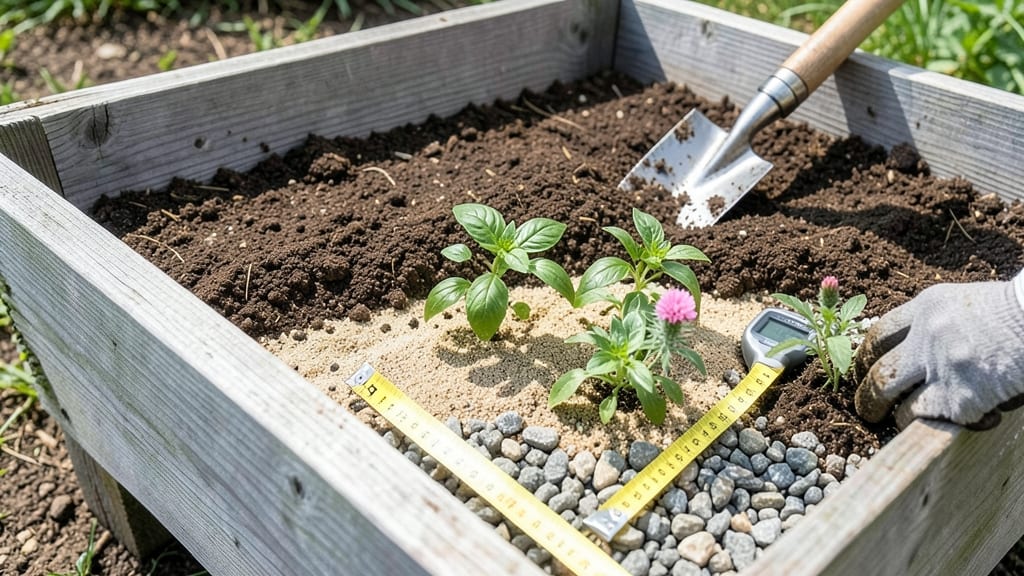
The ideal soil depth for a raised garden bed 🌱 is all about giving roots the space they need to thrive — and skipping the guesswork means bigger harvests and fewer wasted inches.
Struggling to decide how deep your raised garden bed should be? The wrong soil depth can stifle root growth, waste space, or even kill your plants — so let’s break down the exact root-space requirements for vegetables, herbs, and flowers.
Most gardeners assume 6 inches is enough, but deep-rooted crops like carrots and potatoes demand 12+ inches to avoid stunted growth. Shallow beds may work for lettuce or basil, but they’ll leave your tomatoes or peppers fighting for room.
Below, I’ll walk you through the minimum depth rules by plant type, how to adjust for heavy or sandy soil, and the 5 mistakes that turn your bed into a root prison instead of a growth powerhouse.
Minimum raised garden bed soil depth by plant type (vegetables, herbs & flowers)
Choosing the right raised garden bed soil depth ensures your plants thrive without wasted space. Too shallow, and roots get cramped; too deep, and you’re just digging a hole in your budget.
The key is matching root space to each plant’s needs—whether it’s carrots that need 12 inches or basil that’s happy in 6 inches. Let’s dive into the specifics so you can plan your bed like a pro.
Most vegetables and herbs fall into three depth categories: shallow (6–12 inches), medium (12–18 inches), or deep (18+ inches). Deep-rooted plants like asparagus or potatoes demand extra space, while leafy greens like lettuce or spinach thrive in minimal soil.
Flowers like tomatoes and peppers often need 12–18 inches to support their fruit production and root stability.
Here’s the critical rule: always measure soil depth from the bottom of the bed to the top of the root ball when planting.
For example, a 6-inch soil depth means your basil or radishes will have just enough room to spread, while a 12-inch depth gives carrots or beets the freedom to grow long and straight. Skimping on depth can lead to root binding or stunted growth, so plan accordingly.
| Plant Type | Minimum Soil Depth | Root Spread | Notes |
|---|---|---|---|
| Deep-Rooted Vegetables | 18–24" | Wide & deep | Asparagus, potatoes, parsnips |
| Medium-Rooted Vegetables | 12–18" | Moderate spread | Carrots, tomatoes, peppers |
| Shallow-Rooted Herbs | 6–12" | Compact roots | Basil, parsley, chives |
| Leafy Greens | 6–10" | Surface roots | Lettuce, spinach, kale |
| Flowers & Bushes | 12–18" | Varies by type | Marigolds, bush beans, strawberries |
For deep-rooted vegetables, like asparagus or potatoes, aim for at least 18–24 inches of soil. These plants need room to establish extensive root systems and store energy in their tubers.
If your bed isn’t that deep, consider planting them in containers or raised sections within the bed to give them the space they crave.
Medium-rooted plants, such as tomatoes and peppers, thrive in 12–18 inches of soil. This depth supports their fruit production while keeping the roots stable. If you’re growing determinate varieties (like bush beans), you can get away with the lower end of the range, but indeterminate tomatoes will need the full depth to support their vining growth.
Don’t overlook shallow-rooted herbs like basil, parsley, or chives. These plants are happy in just 6–12 inches of soil, making them perfect for smaller beds or even container gardening.
The key here is well-draining soil—these herbs hate soggy roots. Amend your soil with compost or perlite to keep it light and airy.
When planning your raised garden bed layout, group plants with similar depth requirements together. For example, place carrots and beets (12-inch depth) next to tomatoes (18-inch depth) but keep them separate from basil (6-inch depth).
This zoning strategy maximizes space and ensures every plant gets the right conditions to flourish.
One common mistake is assuming all plants need the same depth. Leafy greens, like lettuce or spinach, only need <
How to adjust soil depth for heavy or sandy soil conditions
Heavy clay soil or sandy loam can turn your raised garden bed into a root prison, leaving plants struggling to access nutrients and water. The good news?
You can adjust soil depth without digging up your entire bed. Layering techniques and organic amendments create the perfect balance for root growth, even in challenging conditions.
For heavy clay soil, the key is improving drainage and aeration. Sandy soil, on the other hand, needs moisture retention and nutrient-holding capacity. Both require strategic soil layering to mimic ideal garden loam.
I’ll show you how to customize your bed’s depth in just a few steps—no backbreaking work required.
⚠️ WARNING: Avoid Over-Amending! Adding too much organic matter at once can create anaerobic zones where roots suffocate. Instead, build soil depth in 3-4 inch layers over time, especially in compacted clay or nutrient-poor sandy beds. Here’s how:
⚠️ Over-Amending Risks
- Root Rot: Too much organic matter decomposes too fast, creating waterlogged pockets.
- Nutrient Burn: Fresh compost or manure can scorch roots if applied directly.
- Depth Waste: Adding 6+ inches of compost at once may exceed your bed’s usable root zone.
💡 Pro Tip: Test soil pH first—clay soils often need lime (pH 6.0-7.0), while sandy soils benefit from sulfur (pH 5.5-6.5).
Start with a base layer of coarse materials to improve drainage in clay-heavy beds. Use crushed gravel or perlite (2-3 inches) at the bottom, then add 50% composted wood chips and 50% coconut coir to retain moisture in sandy soil. This 3-layer system mimics natural soil horizons while preventing compaction.
For sandy soil, focus on moisture retention by mixing in peat moss or composted leaves (3 inches) between your base layer and topsoil. In clay-heavy beds, incorporate vermiculite or biochar to break up dense particles. Both amendments improve soil structure without altering your bed’s overall depth.
Place deep-rooted plants (like asparagus or rhubarb) in the deepest sections of your bed, while shallow-rooted herbs (such as basil or thyme) thrive in the top 6 inches. This stratified planting ensures every inch of your bed’s depth works for optimal growth.
Finally, mulch with straw or wood chips to protect your newly layered soil from erosion and temperature swings. Reassess your bed’s depth annually—amendments settle over time, and adding a 1-inch top layer of compost each spring keeps your soil structure perfect for years.