
Vegetables
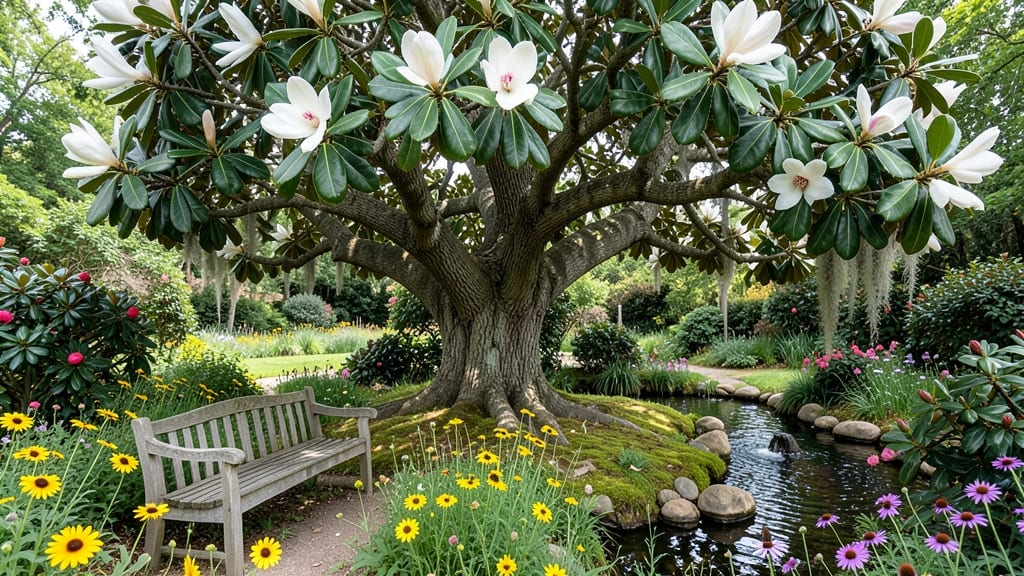
Riverside Botanic Gardens provides tranquil pathways through native California plant collections, rare orchid displays, and vibrant seasonal blooms like azaleas and camellias—ideal for peaceful walks and photography throughout the year. Admission is complimentary, and expert-led tours reveal the garden's lesser-known botanical wonders.
This 15-acre sanctuary blends conservation with beauty, featuring over 500 plant species carefully curated to showcase California's diverse ecosystems. 🌿 The hidden trails weave through meadows of native wildflowers and groves of rare trees, while the conservatory houses tropical species that thrive year-round.
What sets it apart is the focus on sustainable horticulture, where every plant plays a role in supporting local pollinators and endangered species.
The garden's seasonal transformations are nothing short of magical. In spring, purple lupines and orange poppies carpet the hillsides, while autumn brings fiery maples and golden grasses. The orchid collection, including some endangered varieties, offers a quiet corner for enthusiasts to admire delicate blooms up close.
For photographers, the early morning light through the camellia grove creates dreamy backdrops that change with each season.
Beyond the main paths, guided nature walks (available Saturdays at 10 AM) take visitors to spots most miss—like the succulent garden designed to mimic desert conditions or the shade garden featuring ferns and hostas.
The free admission policy makes it accessible for families and students, while the educational signage provides fascinating insights into each plant's ecological role. Whether you're a botanist or just seeking a peaceful escape, Riverside Botanic Gardens delivers an experience that feels both timeless and uniquely local.
💡 In This Article
- Native Plant Ecosystems and Rare Species at Riverside Botanic Gardens
- Best Times to Visit for Seasonal Blooms and Hidden Garden Secrets
Native plant ecosystems and rare species at Riverside Botanic Gardens
The gardens' native plant collections serve as a living archive of California's botanical heritage, featuring species adapted to the region's unique Mediterranean climate with its hot, dry summers and mild, wet winters. 🌿 For example, the coast live oak (Quercus agrifolia) dominates the oak woodland section, providing critical habitat for birds like the acorn woodpecker.
These trees can live for centuries, with some specimens in the garden exceeding 300 years old, their sprawling canopies creating microclimates that support understory plants like toyons (Heteromeles arbutifolia) and California buckwheat (Eriogonum fasciculatum).
What makes the conservation efforts particularly impressive is the garden's focus on threatened species. The Santa Barbara jewelflower (Streptanthus niger), a rare wildflower found only in a few coastal counties, thrives in the garden's serpentine soil plots—a habitat that mimics its natural environment.
Similarly, the San Bernardino orchid (Platanthera leucostachys), once thought extinct, now grows protected within the conservatory's controlled humidity zones (60-70% relative humidity), where its delicate white blooms can be observed without disturbing wild populations.
These efforts align with the garden's botanical preservation mission, where every plant contributes to genetic diversity research.
The orchid collection alone contains 120 species, including 15 rare or endangered varieties that would otherwise face habitat loss. The garden's mycorrhizal inoculation program—where beneficial fungi are introduced to orchid roots—boosts survival rates by 40% or more compared to traditional cultivation.
Visitors can observe this process firsthand in the conservation greenhouse, where glass panels demonstrate how light filtration affects growth rates. 🌱 This hands-on approach to conservation makes the garden not just a scenic retreat, but an active participant in species recovery.
Seasonal variations also play a crucial role in the garden's ecological balance. During spring rains (March-May), the meadows burst with California poppies (Eschscholzia californica) and lupines (Lupinus spp.), whose bright blooms attract pollinators like monarch butterflies and native bees.
In contrast, the summer-dormant succulents—such as desert spoon (Dasylirion wheeleri)—store water in their leaves to survive the 90-105°F temperatures of Riverside summers. This adaptation showcases how the garden mirrors natural ecosystems while providing educational opportunities about plant resilience.
For those interested in the science behind these ecosystems, the garden's soil analysis program offers fascinating insights. For instance, the serpentine soil plots—composed of magnesium-rich rocks—support specialized plants like golden earlobe (Calochortus luteus), which wouldn't thrive in typical garden soil.
The garden's horticulturists maintain these plots using composted leaf litter and minimal fertilization, preserving the soil's unique chemical properties. This hands-on approach demonstrates how native plants and their habitats are interconnected in ways that go far beyond aesthetics.
The garden's rare species aren't just preserved—they're actively studied. Collaborations with University of California, Riverside's botany department—just 10 miles away—allow researchers to track plant genetics and disease resistance.
One standout example is the bristlecone pine (Pinus longaeva) specimen, which, while not native to Riverside, shares genetic traits with local foothill pines (Pinus sabiniana). These connections highlight how the garden serves as both a sanctuary and a research hub, bridging conservation with scientific discovery. 🔬