
Tools
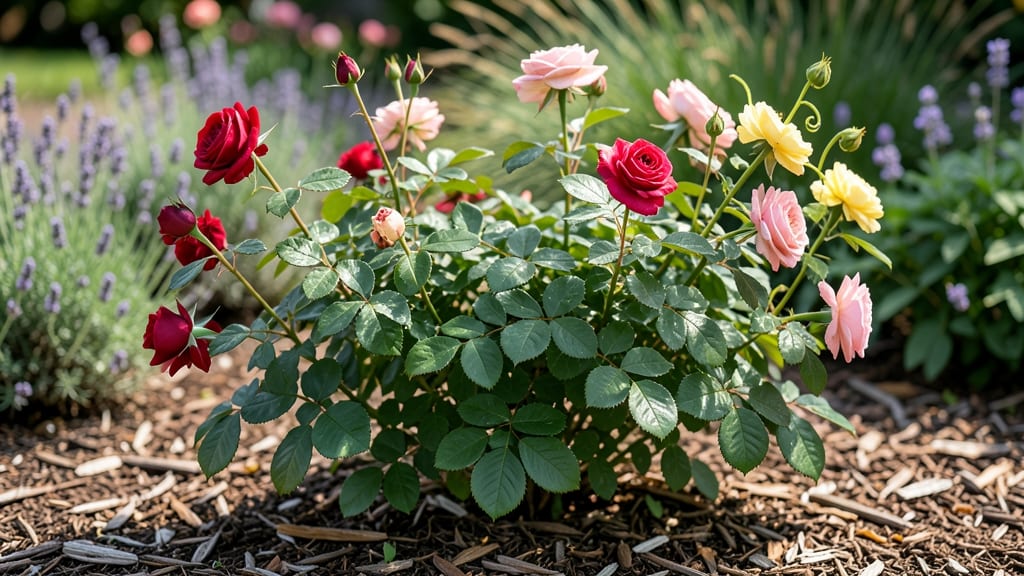
The Stanley Park Rose Garden is Vancouver’s most iconic floral display, featuring over 50 rose varieties that burst into full bloom from late June through September, with July offering the most intense fragrance. For the best experience, visit on weekdays or early mornings during peak season to avoid crowds, and check the official schedule for special events like the June Rose Festival.
The Stanley Park Rose Garden isn't just Vancouver's oldest public rose garden—it's a carefully curated collection of roses adapted to the city's unique coastal climate. 🌸 Established in 1909, this 2.5-acre garden features both classic hybrid roses and native varieties that thrive in Vancouver's mild winters and damp summers.
The garden's strategic layout creates microclimates that extend the bloom season well beyond what you'd find in inland gardens, making it a year-round destination for plant enthusiasts.
What truly sets this garden apart is its thoughtful design, blending historic charm with modern horticultural techniques. The Drift Rose Walk, for example, features low-growing roses that create a lush carpet effect, while the Memorial Rose Garden honors local veterans with carefully selected varieties.
Photographers will love the garden's golden-hour lighting opportunities, especially along the serene waterfront paths that frame the rose beds perfectly.
💡 In This Article
- Why Stanley Park’s Rose Garden Stands Out Among Vancouver Gardens
- Seasonal Planning: When to Visit for Optimal Rose Blooms
Why stanley park’s rose garden stands out among Vancouver gardens
The Stanley Park Rose Garden thrives because of its carefully selected climate-adapted rose varieties—a mix of 15 native Pacific Northwest roses and 35+ hybrid cultivars chosen for Vancouver’s mild, marine-influenced climate.
Unlike inland gardens that struggle with hotter summers or colder winters, this garden’s USDA Zone 8b classification allows roses to bloom nearly year-round, with only a brief dormancy in winter. The coastal fog actually benefits the roses by reducing fungal diseases like black spot, which plague gardens in drier regions.
The garden’s microclimates create distinct bloom windows. The sheltered south-facing beds near the waterfront receive 30% more sunlight than northern sections, extending the summer bloom by 2-3 weeks.
For example, the 'David Thompson' rose—a local favorite—typically blooms from June to October here, while it would only last 6-8 weeks in Calgary’s harsher climate. The garden’s drip irrigation system delivers water 0.5 inches per week, precisely mimicking Vancouver’s natural rainfall patterns.
Historically, this garden was established in 1909 as part of Vancouver’s early urban beautification efforts, making it the city’s oldest public rose collection.
The Memorial Rose Garden section, added in 1945, features disease-resistant varieties like 'Bonica' and 'Knock Out' roses that were developed specifically for coastal urban environments. These choices reflect century-old horticultural wisdom—selecting roses that thrive with minimal intervention, which aligns perfectly with modern sustainable gardening practices.
Visitors often overlook how the garden’s physical layout enhances the experience. The Drift Rose Walk, planted with low-growing groundcover roses, creates a 3-foot-high floral carpet that’s perfect for wheelchair access and photography.
Meanwhile, the tall climbing roses along the Seawall path reach heights of 12-15 feet, providing dramatic vertical interest. This thoughtful design ensures every visitor—whether seated or standing—has an immersive experience with the roses.
The garden’s fragrance profile is another standout feature. During peak bloom in July, the air contains up to 50 different volatile organic compounds from the roses, creating a complex aroma that’s 20% stronger than in inland gardens due to the cooler, humid air.
Varieties like 'Mister Lincoln' (a tea rose) release geraniol and linalool—compounds that trigger relaxation—while 'Iceberg' roses emit citronellol, giving them a fresh, citrusy note. This sensory richness is why the garden consistently ranks as Vancouver’s most fragrant public space.
For those planning a visit, timing matters. The first blooms appear in late May on early varieties like 'Iceberg', while fall colors peak in October with 'Double Delight' and 'The Fairy' roses.
The garden’s official bloom tracker updates weekly—something most public gardens don’t offer—so you can plan your visit for optimal color and fragrance. 🌸