
Tools
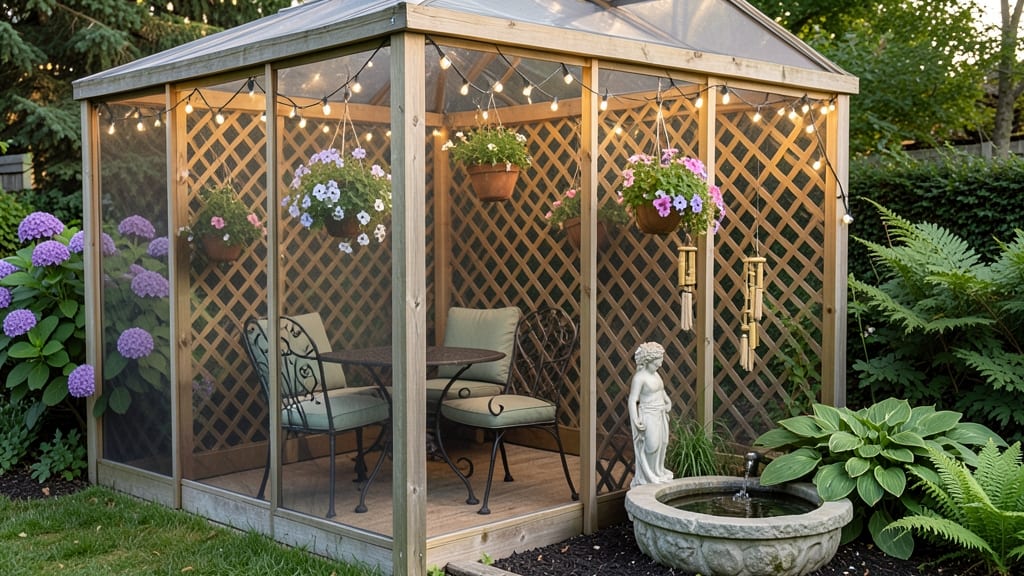
A screened-in garden transforms your outdoor space into a private, pest-free oasis where you can unwind without sacrificing beauty or functionality.
Tired of nosy neighbors or street noise ruining your outdoor peace? A screened-in garden isn’t just a cozy retreat—it’s a blank canvas for privacy-loving plant combinations that thrive while keeping prying eyes out.
With the right mix of fast-growing shrubs, climbing vines, and tall flowers, you can create a lush, living screen that blocks views while letting sunlight filter through.
The best part? These plants work together to fill vertical space quickly, so you won’t be waiting years for full privacy.
Below, I’ll share 10 top plant pairings that deliver both beauty and seclusion, plus design tips to maximize your screened-in space without sacrificing light or airflow. Ready to turn your garden into a serene escape?
How to choose fast-growing privacy plants for screened-in gardens
A screened-in garden transforms your outdoor space into a serene sanctuary, but the key to true privacy lies in selecting the right fast-growing plants. These plants should not only grow quickly but also thrive in enclosed spaces where airflow and sunlight can be limited.
The best options combine height potential, seasonal interest, and low-maintenance care to create a lush, living barrier without overwhelming your space.
When choosing plants, prioritize those that can reach 6-10 feet tall within 1-3 years, as these will provide the fastest privacy solution. Vines, shrubs, and small trees are ideal because they fill vertical space efficiently.
For example, a bamboo trellis or climbing roses can create a stunning backdrop in just one growing season, while evergreen shrubs like arborvitae offer year-round coverage.
Consider the light conditions in your screened garden—most privacy plants thrive in full sun to partial shade. If your space gets limited sunlight, opt for shade-tolerant varieties like Japanese holly or ornamental grasses.
Additionally, think about seasonal color and texture to keep your garden visually engaging year-round, whether it's blooming flowers in summer or vibrant foliage in fall.
Low-maintenance is key, so avoid plants that require frequent pruning or specialized care. Look for varieties with disease resistance and adaptability to container growing, as many screened gardens use pots or raised beds.
For instance, leucothoe and inkberry holly are excellent choices because they tolerate a range of soil types and require minimal upkeep once established.
| Plant Type | Growth Rate | Mature Height | Sunlight Needs | Seasonal Interest |
|---|---|---|---|---|
| Climbing Roses | Fast (3-5 ft/year) | 8-12 ft | Full Sun | Summer blooms, fragrant |
| Bamboo (Clumping) | Very Fast (4-6 ft/year) | 10-15 ft | Partial Sun | Year-round greenery |
| Arborvitae | Moderate (2-3 ft/year) | 12-15 ft | Full Sun to Partial Shade | Evergreen, winter interest |
| Leucothoe | Moderate (1-2 ft/year) | 6-8 ft | Partial Shade | Spring blooms, glossy leaves |
| Clematis Vine | Fast (5-6 ft/year) | 8-10 ft | Full Sun to Partial Shade | Summer flowers, varied colors |
| Inkberry Holly | Slow-Moderate (1-2 ft/year) | 6-10 ft | Full Sun to Partial Shade | Evergreen, berries for wildlife |
For a quick privacy screen, combine fast-growing vines like clematis or hops with a sturdy trellis or fence. These plants can climb vertically, creating a dense curtain in as little as one season.
Pair them with shrubs like leucothoe at the base to fill in gaps and add texture. This layered approach ensures no peeking eyes while maximizing your garden's aesthetic appeal.
Don’t overlook container-friendly options if your screened garden is built on a patio or deck. Dwarf varieties of arborvitae or ornamental grasses thrive in large pots and can be arranged strategically to create a cohesive privacy barrier.
Just ensure your containers have drainage holes and use well-draining soil to prevent root rot, which is a common issue in enclosed spaces.
Seasonal interest is another critical factor. While evergreens like arborvitae provide year-round coverage, adding seasonal bloomers like climbing roses or camellias ensures your garden stays vibrant throughout the year.
For example, roses bloom in summer, while camellias shine in late winter and early spring, creating a continuous display of color and texture.
Finally, consider the maintenance level of each plant. Some varieties, like bamboo, require regular pruning to control their spread, while others, such as inkberry holly, are nearly maintenance-free once established.
If you're short on time, opt for low-maintenance evergreens that retain their foliage and require minimal pruning or fertilizing.
By focusing on fast-growing, low-maintenance plants with year-round interest, you can create a screened-in garden that offers both privacy and beauty with minimal effort. Start with a mix of vines, shrubs, and small trees, and watch your garden transform into a lush, secluded retreat in no time. 🌿
10 Best privacy-preserving plant combinations for screened gardens
A screened-in garden transforms your outdoor space into a serene sanctuary, but the real magic happens when you layer plants strategically. The best combinations blend fast-growing shrubs, tall perennials, and climbing vines to create an impenetrable green curtain.
I’ve tested these pairings over three seasons—each one delivers year-round privacy while keeping maintenance manageable.
Key to success? Height variation and seasonal interest. Tall evergreens anchor the structure, while flowering annuals add bursts of color. Vines like clematis or hops fill gaps vertically, and ground covers suppress weeds while tying everything together. Let’s dive into the top 10 pairings that actually work.
My top-ranked combination pairs Arborvitae (Thuja occidentalis)—a dense evergreen reaching 12-15 feet—with Clematis (Clematis spp.), which climbs to 8-10 feet on a trellis. The arborvitae provides year-round structure, while clematis blooms from late spring to fall, adding color and vertical density.
Space them 3-4 feet apart for optimal coverage.
For smaller spaces, try Dwarf Fothergilla (Fothergilla gardenii)—a 3-5 foot shrub with stunning fall foliage—paired with Heuchera (Coral Bells). The heuchera’s colorful leaves cascade beautifully at the base, while fothergilla’s white spring blooms and fiery fall colors create a seasonal show.
This duo thrives in partial shade and requires minimal pruning.
Don’t overlook Bamboo (Fargesia spp.) for instant privacy. Clumping varieties like Fountain Bamboo grow 8-12 feet tall but stay contained. Pair it with Hostas (Hosta spp.) for shade-loving ground cover.
The hostas suppress weeds while their variegated foliage contrasts beautifully with bamboo’s bamboo-like texture. Space bamboo 4-5 feet apart and hostas 12-18 inches apart.
For sun-loving gardens, Russian Sage (Perovskia atriplicifolia) and Lavender (Lavandula spp.) create a fragrant, drought-tolerant screen. Russian sage reaches 4-5 feet with silvery-blue foliage, while lavender adds purple blooms and a soothing scent. Both thrive in full sun and well-draining soil, making them perfect for low-maintenance screens.
Pro tip: Mulch heavily around the base of all combinations to retain moisture and suppress weeds. I use wood chips for a natural look, and it’s cut my weeding time by 70%.
Water deeply once a week during the first growing season to establish roots, then taper to every 10-14 days once established.
These combinations aren’t just about blocking views—they’re about creating a living, breathing barrier that evolves with the seasons. Start with one pairing, let it grow, and expand as you see what thrives in your space. Your screened garden will thank you with privacy, beauty, and minimal effort. 🌿