
Tools
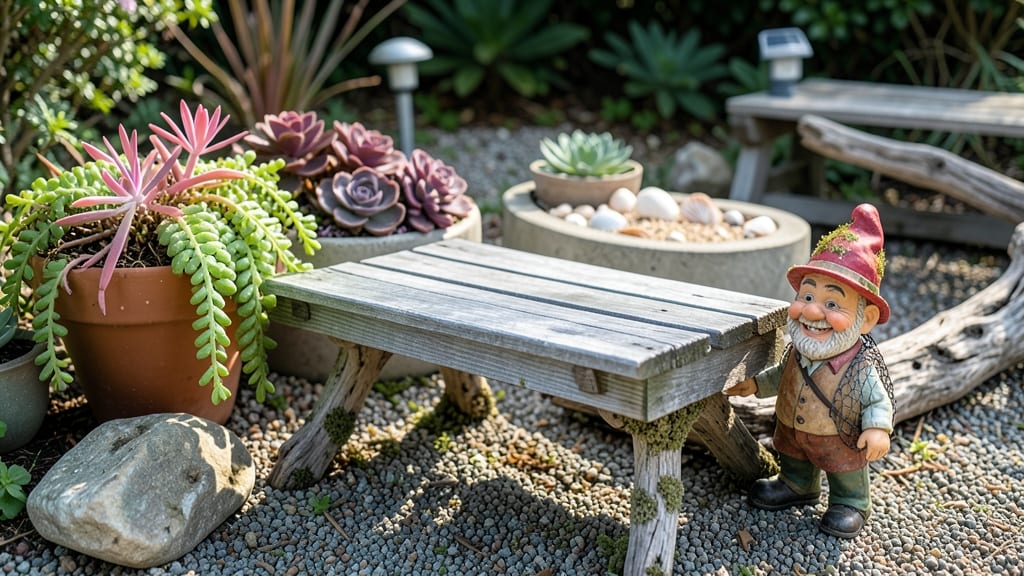
Incorporating seashells in garden beds improves soil quality by boosting drainage and adding calcium while naturally repelling slugs and snails. Use crushed shells as mulch or position whole shells as decorative accents.
Seashells bring more than just coastal charm to your garden—they act as a natural soil amendment by slowly releasing calcium carbonate, which helps balance acidic soil over time. 🌊 The sharp edges of crushed shells create an unwelcoming barrier for slugs and snails, while their porous texture improves water absorption in heavy clay soils.
For a low-maintenance solution, I recommend scattering shells along garden borders or mixing them into the top layer of soil before planting. The best part? They break down gradually, so their benefits last for years without needing replacement.
Beyond their functional perks, seashells transform garden aesthetics with minimal effort. Whole shells make striking edging for pathways or focal points in water features, while broken pieces create textured mulch that mimics natural beach debris.
Pair them with drought-tolerant plants like lavender or succulents to amplify that seaside vibe. Pro tip: Rinse shells thoroughly before using them to remove salt residue that could harm plant roots.
💡 In This Article
- How Seashells Improve Soil and Deter Pests
- Creative Garden Design Ideas Using Seashells
How seashells improve soil and deter pests
Seashells primarily benefit gardens through their calcium carbonate content, which acts as a natural soil amendment. When crushed, shells break down into tiny particles that gradually release calcium and magnesium into the soil over 1-3 years, depending on shell thickness.
This process helps neutralize acidic soil (pH < 6.5), creating a more alkaline environment that's ideal for plants like roses, blueberries, and vegetables. 🌱 The slow-release mechanism means you won't experience sudden pH spikes that could harm plant roots - it's a gentle, long-term adjustment rather than a quick chemical fix.
The sharp edges of crushed shells serve as a physical barrier against common garden pests. Slugs and snails, which have soft, slimy bodies, find it difficult to traverse the rough texture created by shell fragments.
Studies show that crushed shell mulch can reduce slug damage by upstrong>40% compared to traditional organic mulches. For best results, create a 1-2 inch layer of crushed shells around vulnerable plants or along garden edges.
The shells also deter burrowing pests like cutworms by making the soil surface too abrasive for them to navigate.
Beyond pest control, seashells improve soil structure by enhancing drainage in heavy clay soils. The porous nature of crushed shells creates air pockets that allow water to percolate through 30-50% faster than regular soil, preventing waterlogging. This is particularly valuable in rainy climates where poor drainage leads to root rot.
The shells also help retain moisture in sandy soils by slowing water evaporation - a dual benefit that makes them versatile for most garden types. Their ability to break down slowly means you won't need to replenish them annually, unlike organic mulches.
For maximum effectiveness, collect shells from non-polluted coastal areas and rinse them thoroughly to remove salt and debris. Avoid using shells from areas with high pollution or oil spills, as they may contain harmful contaminants.
The calcium release is most beneficial in slightly acidic to neutral soils (pH 6.0-7.0), where the pH-balancing effect is most noticeable. In highly alkaline soils (pH > 7.5), the benefits are minimal, so test your soil before applying shells in large quantities.
An often-overlooked benefit is the microbial activity that crushed shells promote. The calcium carbonate creates a slightly alkaline environment that encourages beneficial bacteria and fungi to thrive, which in turn helps break down organic matter more efficiently. This creates a healthier soil ecosystem that supports plant growth.
The shells also act as a natural time-release fertilizer, providing a steady supply of essential minerals without the risk of over-fertilization that can occur with chemical amendments. 💫
When using shells for pest control, focus on areas where slugs and snails are most active - typically near moisture sources or under dense foliage. Combine this method with other organic pest control strategies like diatomaceous earth for even better results.
The visual deterrent of sharp shell edges works particularly well in vegetable gardens where traditional chemical pesticides are undesirable.