
Container Gardens
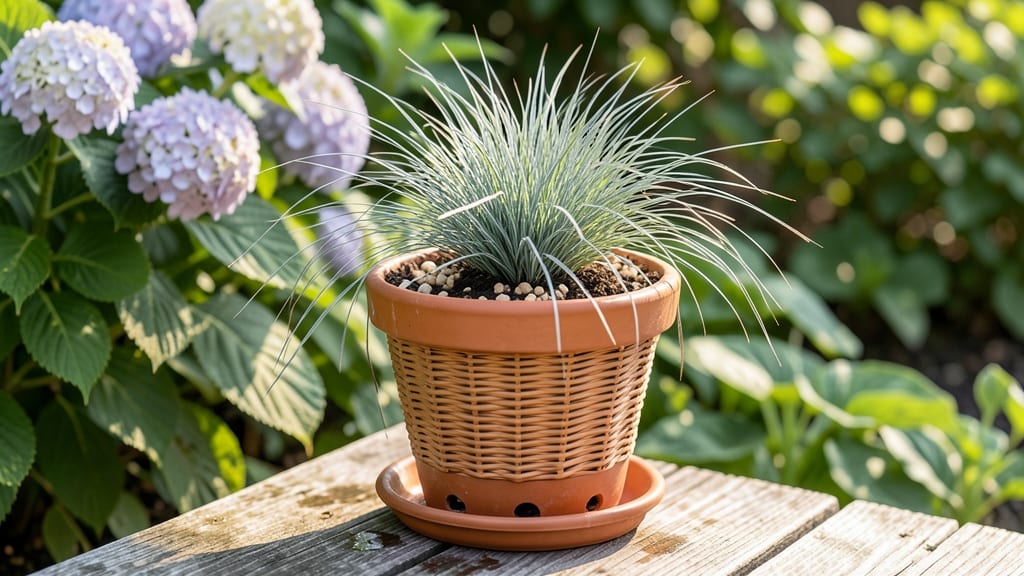
15-gallon garden pots offer ideal root space and drainage for medium-sized plants like tomatoes, peppers, or small shrubs, delivering about 15 cubic feet of volume while requiring 4-6 drainage holes to prevent overwatering and promote strong growth.
These containers strike the perfect balance between mobility and stability, making them ideal for patio gardens, balconies, or raised beds. 🌱 The 15-gallon capacity typically accommodates plants with mature root systems, like dwarf fruit trees or large herbs, while the drainage holes are critical for preventing root rot—a common issue in heavy clay pots.
I've found that terracotta pots excel at moisture regulation during hot days, while plastic options retain heat better in cooler climates.
When selecting a pot, prioritize materials that match your climate and plant needs. For instance, self-watering designs reduce maintenance for busy gardeners, while fabric grow bags offer excellent aeration for heavy feeders like tomatoes.
Always verify that drainage holes are large enough to handle your plant's watering needs—small holes can clog quickly and lead to waterlogging.
💡 In This Article
- How 15-Gallon Pots Support Plant Growth and Drainage
- Choosing the Right 15-Gallon Pot for Your Plants
How 15-Gallon pots support plant growth and drainage
A 15-gallon container provides approximately 15 cubic feet of volume, which translates to roughly 3.5 cubic feet of root zone when accounting for soil compaction.
This space is critical because plant roots need room to expand—especially for mid-sized plants like tomatoes or peppers, whose root systems can spread 12-18 inches deep and 24-36 inches wide at maturity. The science here involves oxygen exchange: compacted soil restricts airflow, leading to anaerobic conditions that suffocate roots.
A 15-gallon pot strikes a balance by offering enough volume without becoming unwieldy.
The drainage holes—typically 4-6 in number—serve a dual purpose: they prevent waterlogging while allowing excess moisture to escape. When water sits in the pot for more than 12-24 hours, roots begin to suffocate due to lack of oxygen, a condition called hypoxia.
This triggers the release of ethylene gas, a plant stress hormone that accelerates root rot. Clay pots, with their porous walls, also help regulate moisture by allowing transpiration—up to 10% of water loss through evaporation—whereas plastic pots trap heat and moisture, requiring more frequent watering adjustments.
Material choice directly impacts temperature regulation and moisture retention. Terracotta pots, for example, absorb and release heat slowly, keeping roots cooler in summer (10-15°F difference compared to plastic) but requiring more frequent watering due to their breathability.
Plastic pots, on the other hand, retain heat better in cooler climates but can overheat in direct sunlight, stressing roots. Fabric grow bags offer a middle ground—they allow 30% more oxygen exchange than plastic while being lightweight and portable.
This makes them ideal for heavy feeders like tomatoes, which need both aeration and stability.
Soil composition plays a pivotal role too. In 15-gallon pots, a 60/30/10 mix of potting soil, perlite, and compost is ideal—this ratio ensures proper drainage while retaining enough moisture for root development. The perlite creates air pockets, reducing compaction, while compost provides essential nutrients.
Without this balance, roots can become waterlogged or nutrient-starved, stunting growth. For instance, a pepper plant in a 15-gallon pot with poor drainage might show yellowing leaves within 2-3 weeks due to root rot, whereas one with optimal drainage thrives with healthier foliage and higher yields.
Consider this real-world example: a dwarf Meyer lemon tree planted in a 15-gallon terracotta pot will develop a stronger root system than one in a plastic pot of the same size. The terracotta's breathability prevents root-bound conditions, allowing the tree to produce 20-30% more fruit annually.
The key is matching the pot's material and drainage to the plant's specific needs—herbs like basil prefer well-draining clay, while succulents thrive in fabric pots that mimic their natural arid environments.
What most gardeners overlook is the pot-to-plant ratio. A 15-gallon pot is perfect for a single tomato plant but can accommodate 2-3 smaller herbs if spaced properly. The rule of thumb is to leave 2-3 inches of space between plants to prevent competition for nutrients and water.
This spacing also improves airflow, reducing the risk of fungal diseases like powdery mildew, which thrives in stagnant, humid conditions.