
Tools
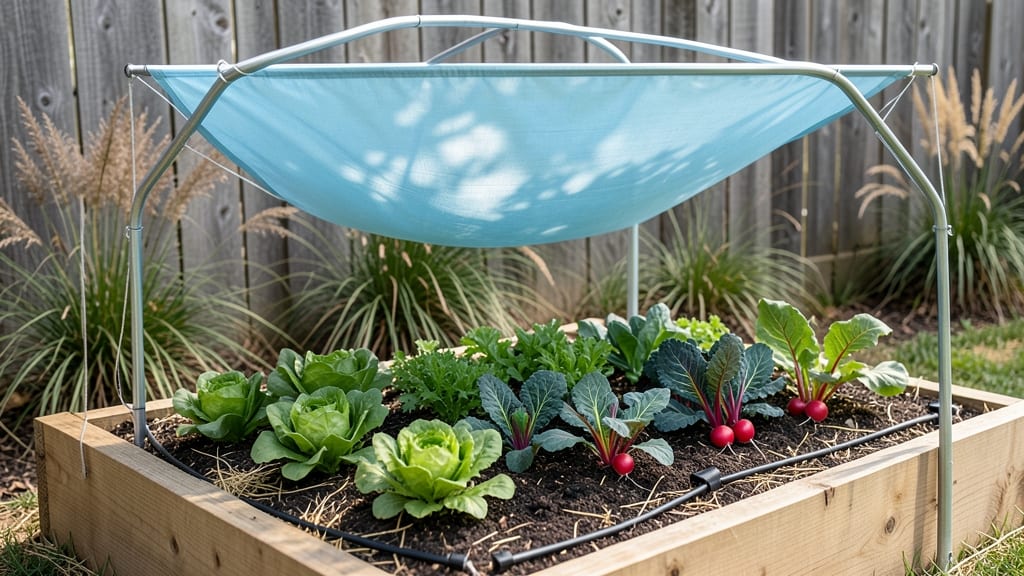
Shade cloth for garden beds regulates sunlight exposure by percentage (20% to 90%) to protect plants from excessive heat, prevent bolting, and extend growing seasons in hot climates or high-light zones. Choose the right density based on plant type and climate conditions for optimal growth.
Shade cloth acts like a sun filter for your plants, adjusting light intensity to match their needs. 🌿 The percentage rating tells you how much sunlight gets through—30% lets in gentle light for heat-sensitive greens like spinach, while 50% is better for tomatoes that need some protection but still want photosynthesis.
In my own garden, I’ve seen 70% shade cloth save my basil from wilting during summer peaks, while keeping it productive enough to harvest regularly. The key is matching the fabric’s openness to your plants’ heat tolerance and your local sun intensity.
Installation matters just as much as the percentage. Stretch the cloth taut over hoops or frames to avoid sagging, which can create uneven shade spots.
For delicate plants like lettuce, I recommend starting with 30% and adjusting upward if leaves turn pale—it’s a simple way to fine-tune their environment without guesswork.
And if you’re in a particularly harsh climate, combining shade cloth with morning sun exposure can give you the best of both worlds: protection from afternoon heat while still maximizing growth potential.
💡 In This Article
- How Shade Cloth Percentages Affect Plant Growth
- Selecting the Right Shade Cloth for Your Garden Plants
How shade cloth percentages affect plant growth
Shade cloth works by physically blocking a percentage of sunlight—think of it as sunglasses for your plants. The fabric weaves synthetic fibers in patterns that filter UV rays and reduce heat stress, which is especially critical in climates where summer temperatures can spike to 95°F or higher.
For example, a 30% shade cloth allows 70% of light through, creating a dappled effect similar to partial shade under a tree, while 90% cloth mimics deep forest shade, ideal for tropical plants like ferns that would scorch in full sun.
The magic happens at the cellular level: too much direct sunlight causes plants to overheat, leading to wilting or even leaf burn. Shade cloth reduces leaf surface temperatures by 10-20°F, which is crucial for photosynthesis.
Leafy greens like spinach thrive under 30-40% shade because this range keeps their delicate leaves from bolting (premature flowering) while still providing enough light for growth. Meanwhile, tomatoes—more heat-tolerant—do well with 30-50% shade during peak afternoon sun to prevent sunscald on their fruits.
Here’s where it gets interesting: shade cloth doesn’t just block light—it also diffuses it. Unlike solid structures, the fabric scatters sunlight, reducing glare and preventing hot spots that can stress plants.
This is why 50% cloth is often the sweet spot for many vegetables: it filters out the harshest rays while still allowing enough light for robust growth. For tropical plants like hibiscus or bougainvillea, 50-70% shade mimics their native understory conditions, preventing leaf drop and promoting vibrant blooms.
Seasonal adjustments are key. In spring or fall, you might use 30% cloth to extend the growing season for cool-season crops like broccoli, while in summer, the same plants might need 50% cloth to survive.
The fabric’s breathability also matters—look for UV-stabilized materials that don’t degrade under sunlight, as cheaper options can lose effectiveness after just one season.
For example, a high-quality 40% cloth might last 3-5 years, while a budget version could degrade in under a year, leaving your plants exposed to unpredictable light conditions.
Consider this real-world example: in Arizona’s desert climate, where summer temps often exceed 105°F, gardeners use 70-90% shade cloth to protect heat-sensitive crops like cucumbers. Without it, these plants would bolt or develop bitter flavors from heat stress.
Meanwhile, in coastal areas with milder summers, 30-40% cloth might suffice, allowing for more sunlight while still preventing wilting. The right percentage isn’t just about the plant—it’s about your local microclimate and how the sun behaves in your specific growing zone.
One common mistake is assuming higher percentages always mean better protection. While 90% cloth is great for tropical plants, it can stunt growth in vegetables like peppers, which need more light to produce fruit.
The goal is balance: enough shade to prevent stress, but not so much that photosynthesis slows to a crawl. For instance, basil under 70% shade stays lush and productive, but under 90% shade, it may become leggy and sparse.
It’s all about finding that Goldilocks zone for your specific plants.