Watering
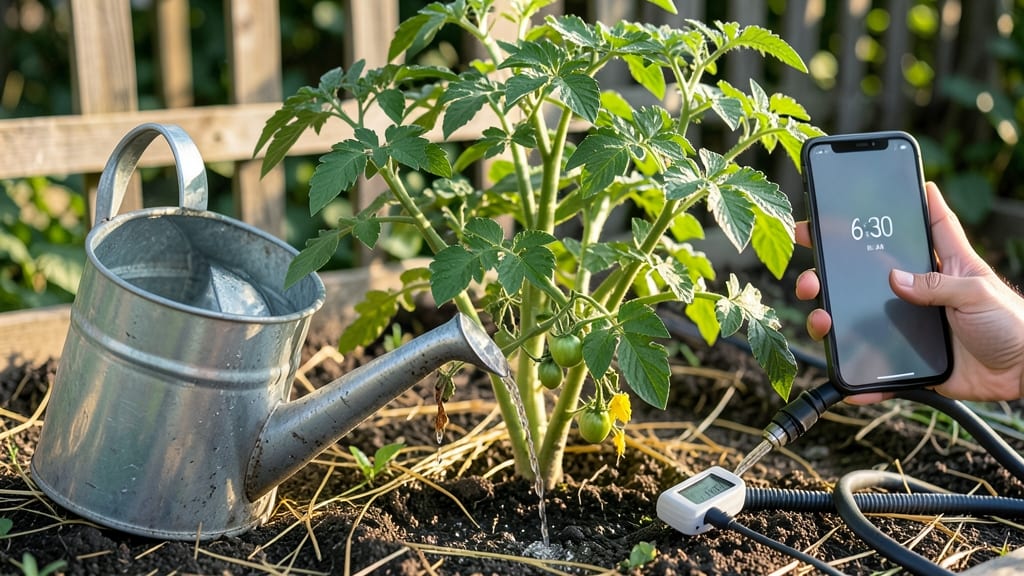
Watering your garden in the morning or evening can make all the difference for your plants' health and your water efficiency.
Struggling to decide which time of day is best? The answer isn't one-size-fits-all—it depends on your climate, plant types, and even the time of year.
Too much water at the wrong time can lead to wasted resources or even fungal diseases, while the right timing helps roots grow stronger and reduces evaporation.
Morning watering, for example, gives plants a head start on absorbing moisture before the heat of the day, while evening watering can help conserve water in dry climates. But which one is right for your garden?
I’ll break down the science-backed pros and cons so you can choose the best schedule for your Garden Plants (General) 🌱 and local conditions.
You’ll also discover how to adjust your routine based on humidity, temperature, and plant needs—plus common mistakes to avoid. By the end, you’ll know exactly when to water for healthier roots, fewer pests, and a more efficient garden.


Morning vs evening watering: how timing affects plant health and root growth
Deciding whether to water your garden in the morning or evening isn’t just about convenience—it directly impacts your plants' growth, disease resistance, and water efficiency. Studies show that watering at the wrong time can lead to 30% more evaporation or even fungal infections like powdery mildew.
Let’s break down the science behind each approach so you can make the best choice for your garden.
The key difference lies in how plants absorb water and how quickly it evaporates. Morning watering (before 10 AM) allows roots to soak up moisture gradually, while evening watering (after 4 PM) keeps soil damp longer—sometimes too long.
Both have pros and cons, depending on your climate, plant types, and soil conditions. Let’s compare them side by side to help you decide what works best for your garden.
Morning watering is generally the gold standard for most gardens because it minimizes evaporation and fungal diseases. When you water early, the sun dries foliage quickly, preventing powdery mildew and bacterial spots.
Plus, roots have all day to absorb moisture before the heat of midday. For example, tomatoes and peppers thrive with morning watering because their shallow roots need consistent hydration without sitting in damp soil.
However, evening watering can work in cooler climates or for established perennials like roses or lavender. The key is to finish watering at least 2-3 hours before sunset to avoid prolonged leaf wetness.
In humid regions, evening watering might still pose risks, so always check your plants for signs of fungal infections, like yellowing leaves or white powder on stems.
Another critical factor is your soil type. Sandy soil drains quickly, so morning watering ensures moisture reaches roots before it evaporates. Clay soil, on the other hand, holds water longer, making evening watering less risky.
If you’re unsure, do a simple test: Dig a hole near your plants, water it, and time how long it takes for the soil to dry. Adjust your schedule based on these observations.
Don’t overlook the role of seasonal changes. In summer, morning watering is non-negotiable—high heat and wind can evaporate up to 50% more water if you wait until evening. In winter, however, evening watering might be safer because cooler temps reduce evaporation, and plants are less active.
Always adapt your routine to match the current weather and plant needs.
Pro tip: If you must water in the evening, use a soaker hose or drip irrigation to deliver water directly to the soil. This avoids wetting leaves, which is the primary cause of fungal diseases.
Pair this with mulch (2-3 inches) to retain moisture and regulate soil temperature. Over time, you’ll notice healthier roots and fewer pests in your garden.
Ultimately, the best time to water depends on your local climate, plant types, and soil conditions. Start with morning watering as your baseline, then tweak based on what you observe.
Keep a gardening journal to track which method yields the best results for your specific setup. Your plants will thank you with stronger growth and higher yields!
🌱
Best practices for watering your garden based on climate and plant type
Your garden’s watering schedule isn’t one-size-fits-all—it depends on your local climate, the types of plants you grow, and even your soil composition.
In arid climates, like Arizona or Nevada, watering in the early morning minimizes evaporation losses, while humid regions, such as Florida or Louisiana, benefit from evening watering to reduce fungal spores. Understanding these nuances ensures your plants thrive without wasting water or effort.
For vegetables like tomatoes and peppers, deep watering in the morning encourages strong root growth and prevents blossom-end rot.
Meanwhile, herbs like basil and cilantro prefer consistent moisture, so evening watering works well in cooler climates. Flowering plants, such as roses or petunias, often need adjusted schedules based on their water needs—some prefer morning hydration, while others tolerate evening sessions better.
| Climate Type | Best Watering Time | Plant Examples | Soil Consideration |
|---|---|---|---|
| Arid (Desert) | Early Morning (5-9 AM) | Succulents, Cacti, Lavender | Well-draining, sandy |
| Humid (Tropical) | Evening (After 6 PM) | Orchids, Ferns, Caladiums | Moisture-retentive, loamy |
| Temperate (Moderate) | Morning or Evening | Tomatoes, Basil, Zinnias | Balanced, loamy-clay |
| Mediterranean | Late Evening (8-10 PM) | Olives, Rosemary, Sage | Dry, rocky, well-draining |
In temperate zones, like much of the U.S. Midwest, flexibility works—watering in the early morning (before 10 AM) gives plants a head start, while evening watering (after 6 PM) prevents midday evaporation.
For container gardens, morning watering is often best because pots dry out quickly, and evening sessions can leave roots soggy overnight. Always check soil moisture by sticking your finger 1-2 inches deep—if it’s dry, it’s time to water.
Adjust your schedule for seasonal changes.
During summer heatwaves, water deeply in the early morning to reduce stress on plants, while spring and fall allow for more flexibility. Herbs like mint and flowers like marigolds need consistent moisture, so stick to a routine, but avoid wetting foliage to prevent disease.
A drip irrigation system can automate timing and deliver water directly to roots, saving time and resources.
Don’t overlook soil type—sandy soils drain quickly and may need frequent, shallow watering, while clay holds moisture longer and benefits from deep, infrequent watering. Mulching with straw or wood chips helps retain moisture and regulates soil temperature, reducing the need for frequent watering.
By tailoring your approach to your garden’s unique conditions, you’ll see healthier plants, fewer pests, and water savings up to 30%. 🌱
Experiment with small sections of your garden to test what works best for your specific setup. Keep a watering journal to track plant responses—note which times yield the healthiest leaves, fastest growth, and fewest pests.
With a little trial and error, you’ll find the perfect rhythm for your garden’s needs. 💧