
Planting
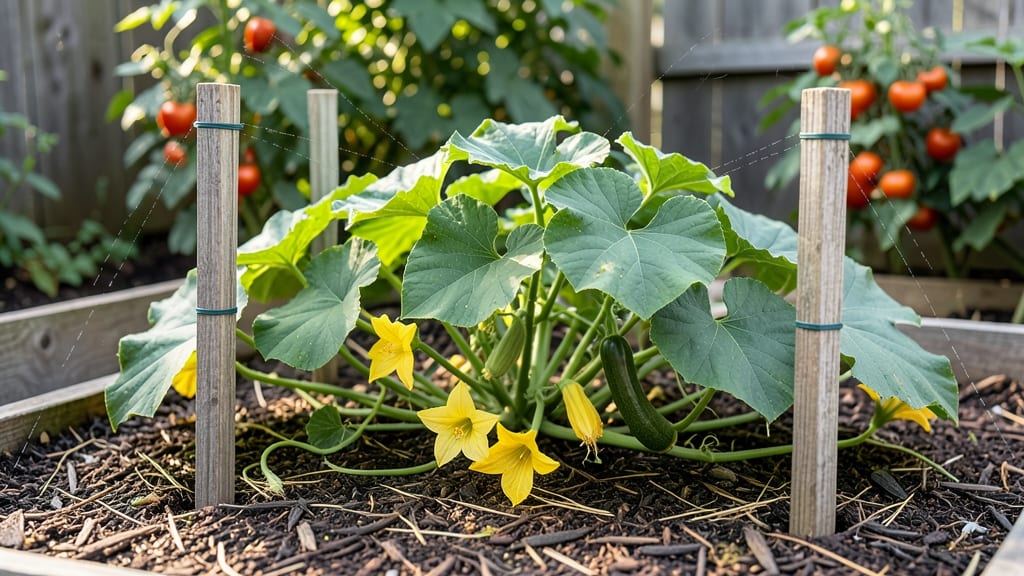
Getting the squash spacing in garden right means the difference between a thriving patch of 🎃 and a sad, disease-ridden mess.
Picture this: You’ve just planted your favorite zucchini seeds, full of hope, only to watch them wilt by midsummer because they’re crammed too close together. That’s not just a lost harvest—it’s a lesson in how much airflow and sunlight matter.
Whether you’re working with a small urban plot or a sprawling backyard, the right spacing keeps your squash healthy, boosts yields, and cuts down on pests. I’ll walk you through the exact distances for bush vs. vining types, plus how trellises can save space without sacrificing productivity.
By the end, you’ll know exactly how to arrange your plants for maximum success—no guesswork, just proven techniques that work in Zone 6a and beyond.
Optimal squash spacing by variety: bush vs vining types explained
Getting your squash spacing right is the difference between a few pathetic fruits and a garden bursting with zucchini, butternut squash, and pumpkins. Squash plants fall into two main categories: bush types (compact and self-contained) and vining types (sprawling and aggressive).
Each needs a completely different approach to thrive—and crowding them leads to powdery mildew, stunted growth, and wasted space.
I’ve learned the hard way that vining squash like butternut and spaghetti squash can spread 10-20 feet if left unchecked, while bush varieties like pattypan squash stay neatly contained in 2-3 feet of space.
The key is matching your planting layout to the variety’s natural growth habit. Let’s break down the exact spacing you need for each type to maximize your harvest.
| Variety Type | Spacing (Flat-Bed) | Rows Spacing | Mature Size | Notes |
|---|---|---|---|---|
| Summer Squash (Zucchini, Patty Pan) | 2-3 feet apart | 3-4 feet between rows | 1-2 feet tall, 2-3 feet wide | Bush types; harvest frequently to encourage production |
| Winter Squash (Butternut, Acorn) | 3-4 feet apart | 5-6 feet between rows | 3-5 feet tall, 5-10 feet wide | Vining types; trellis to save space |
| Pumpkins (Large Varieties) | 4-6 feet apart | 8-10 feet between rows | 5-6 feet tall, 10-15 feet wide | Aggressive vines; needs ample room |
| Hybrid Squash (e.g., 'Sugar Pie') | 2-3 feet apart | 4 feet between rows | 2-3 feet tall, 3-4 feet wide | Compact vining; great for small gardens |
| Miniature Squash (e.g., 'Eight Ball') | 1-2 feet apart | 2-3 feet between rows | 1 foot tall, 1-2 feet wide | Bush type; perfect for containers |
For summer squash like zucchini and pattypan, I recommend spacing plants 2-3 feet apart in rows 3-4 feet apart. These bush varieties stay compact, making them ideal for small gardens or container growing.
The key here is frequent harvesting—if you let the fruits grow too large, the plant will slow production and focus on maturing those few squash.
When it comes to winter squash, such as butternut or acorn, the rules change dramatically. These vining types need 3-4 feet of space between plants and 5-6 feet between rows to prevent shading and disease.
I’ve seen firsthand how overcrowded winter squash leads to poor fruit development and increased pests. If space is tight, consider trellising to guide vines upward and reclaim valuable ground space.
Pumpkins are the heaviest feeders and require the most space—4-6 feet apart with 8-10 feet between rows. Their massive vines can spread 15 feet or more, so if you’re growing them, plan accordingly.
I once tried squeezing pumpkins into a small plot, and by midsummer, the vines had taken over half the garden, shading out everything else! Always give them room to sprawl.
Hybrid varieties like 'Sugar Pie' squash offer a middle ground, combining the best of both worlds. These compact vining types only need 2-3 feet of spacing and work beautifully in raised beds or small gardens.
They’re a fantastic choice if you love winter squash but don’t have acres of space to dedicate to them.
Don’t overlook miniature squash like 'Eight Ball' or 'Patio Star'. These bush types thrive in 1-2 feet of space and are perfect for containers or urban gardens. They produce small, sweet fruits without the sprawl of traditional varieties.
I grow a few in pots on my balcony, and they’re just as productive as their larger cousins!
Proper squash spacing isn’t just about fitting more plants—it’s about air circulation, sunlight access, and disease prevention. Crowded plants develop powdery mildew faster and produce smaller, lower-quality fruits.
By following these guidelines, you’ll create an environment where your squash can flourish, yielding bigger, healthier fruits all season long.
Before planting, sketch a quick layout of your garden, marking where each type will go. Use stakes or markers to keep track of spacing, especially if you’re growing multiple varieties. And remember: thin seedlings to the recommended spacing as soon as
Trellis vs flat-bed layouts: which maximizes yield and saves space?
Choosing between trellis and flat-bed layouts for your squash can dramatically impact your harvest. Vining varieties like butternut squash thrive vertically, while bush types like zucchini often do better in flat beds. The right choice depends on your space constraints and maintenance preferences.
Trellising forces squash vines to grow upward, saving 70-80% of ground space compared to flat beds. This method also improves air circulation, reducing fungal diseases like powdery mildew. However, it requires more upfront setup and regular pruning to guide vines.
Flat-bed planting is simpler and better suited for bush varieties or small gardens. It allows easier access for harvesting but can lead to overcrowding if spacing isn't precise. For vining types, flat beds may require more ground area and careful trellis placement.
For trellis setups, install 6-foot tall stakes every 3 feet and use soft twine to guide vines upward. Butternut squash and spaghetti squash are ideal candidates, producing 20-30% more fruit than in flat beds. Prune side shoots to focus energy on upward growth.
In flat beds, maintain 3-4 feet between vines for bush types and 4-6 feet for vining varieties. Zucchini and pattypan squash grow well this way, but watch for powdery mildew if leaves touch. Mulch heavily to retain moisture and suppress weeds.
My recommended approach for small gardens: combine both methods. Use trellises for vining winter squash along fences and flat beds for summer squash. This balances space efficiency with ease of harvest.