
Vegetables
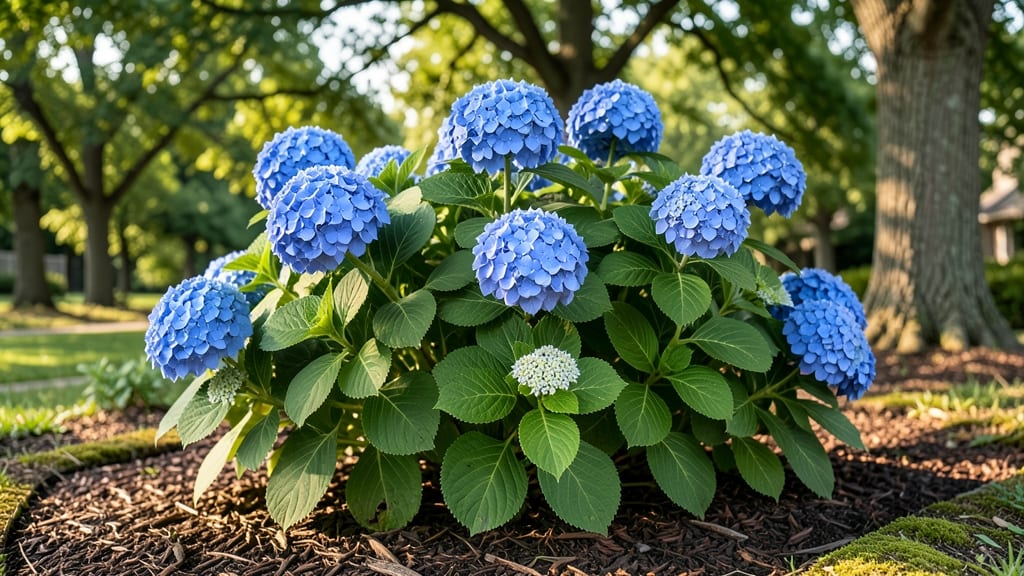
Stan Hywet Hall and Gardens is a 67-acre estate featuring a grand Tudor Revival mansion, meticulously designed gardens, and diverse plant collections showcasing seasonal blooms, rare trees, and historic landscapes. Open year-round, it offers guided tours, educational programs, and serene walking trails for nature lovers and history enthusiasts alike.
This Ohio landmark blends architectural splendor with botanical wonders, making it a must-visit for those who appreciate both history and horticulture. 🌿 The estate's gardens were designed by renowned landscape architect Warren Manning and feature over 1,000 varieties of plants, including a stunning rose garden with 150 different cultivars.
Beyond the visual beauty, the gardens serve as an outdoor classroom, offering educational programs that teach visitors about sustainable gardening practices and plant conservation.
The mansion itself is a historic treasure, built in 1912 by F.A. Seiberling, the founder of Goodyear Tire and Rubber Company. Inside, you'll find original furnishings, art collections, and family memorabilia that provide fascinating insights into early 20th-century American life.
What sets Stan Hywet apart is its ability to transform with the seasons, offering unique experiences year-round—from spring's vibrant tulip displays to autumn's fiery foliage.
💡 In This Article
- Exploring Stan Hywet’s Iconic Gardens and Plant Collections
- Best Times to Visit Stan Hywet for Peak Beauty
Exploring Stan Hywet’s iconic gardens and plant collections
The gardens at Stan Hywet were meticulously crafted by landscape architect Warren Manning, who designed them to reflect the natural beauty of Ohio while incorporating European influences.
The estate features over 1,000 plant varieties across 12 distinct garden areas, including the famous rose garden with 150 cultivars, some dating back to the 1920s. The Japanese garden, a serene retreat with koi ponds and carefully placed boulders, was inspired by traditional East Asian design principles and demonstrates how Stan Hywet bridges cultures through horticulture.
What makes these gardens truly special is their seasonal transformation. In spring, the 15,000 tulips planted in the formal terraces create a vibrant carpet of color, while summer brings the perennial borders to life with 500 varieties of daylilies and 200 types of irises.
The estate's 100-year-old trees, including rare specimens like the Ginkgo biloba and Dawn Redwood, provide year-round structure and shade, while the cutting garden supplies fresh blooms for the mansion's interiors. This horticultural diversity was intentionally curated to educate visitors about plant conservation and sustainable gardening.
The gardens also serve as a living classroom, offering programs that teach visitors about pollinator-friendly plants, native species, and historical gardening techniques. For example, the formal terraces demonstrate Renaissance-style design with geometric patterns and symmetrical layouts, while the wildflower meadow showcases native Ohio plants that support local ecosystems.
This blend of education and beauty makes Stan Hywet unique among historic estates.
One standout feature is the conservatory, a glass-enclosed space that houses tropical plants like orchids and ferns, creating a microclimate where visitors can experience subtropical flora year-round. The conservatory's design allows natural light to filter through, mimicking the dappled sunlight of a forest canopy.
This attention to detail extends to every corner of the estate, where even the hedges are sculpted into topiary shapes that change with the seasons.
Visitors often marvel at how the gardens evolve with each season, but what many don't realize is the underlying science behind this transformation. The estate's horticulturists use soil testing and pH balancing to ensure optimal growing conditions, while pruning techniques preserve the health and shape of mature plants.
For instance, the rose garden's pruning schedule follows a precise timeline to encourage blooms at specific times, demonstrating how human intervention can enhance nature's beauty.
The gardens also reflect the estate's history as a showcase for American landscape architecture. When designed in the early 1900s, Stan Hywet's gardens were considered cutting-edge, incorporating modern irrigation systems and meadow-style plantings that were revolutionary at the time.
Today, these features make the estate a living museum of horticultural history, where visitors can see firsthand how gardening practices have evolved over the past century.
For those who appreciate the artistry of plant arrangement, Stan Hywet offers guided tours that reveal the hidden stories behind the gardens. For example, the formal garden's layout was designed to frame views of the mansion, creating a sense of grandeur that was intentional in Tudor Revival architecture.
Meanwhile, the wildflower meadow was planted to support local pollinators, reflecting modern ecological awareness. This dual focus on aesthetics and sustainability is what makes Stan Hywet's gardens truly exceptional. 🌸