
Tools
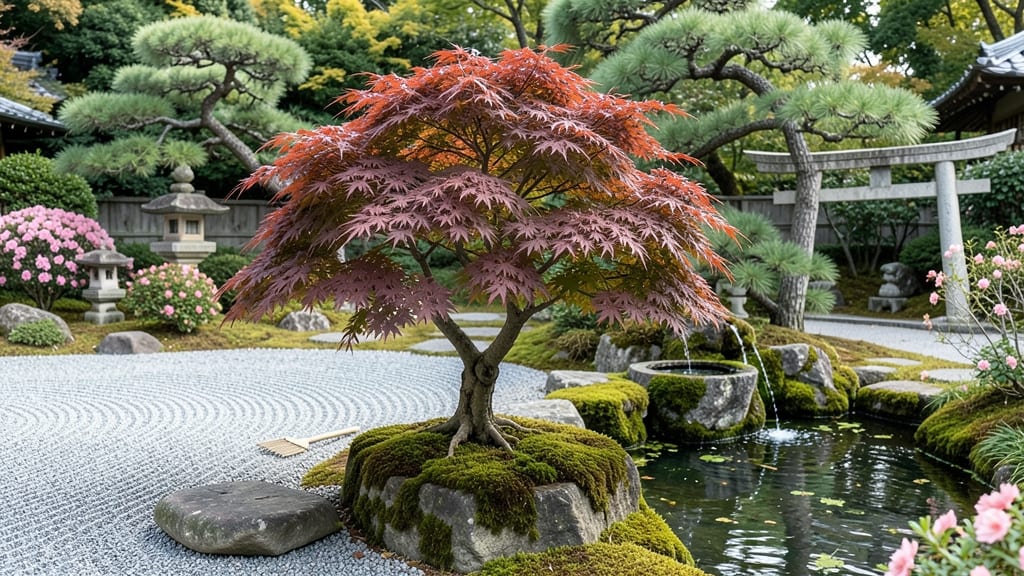
The James Irvine Japanese Garden in San Francisco harmonizes classic Japanese landscape design with natural beauty, showcasing serene koi ponds, meticulously maintained trees, and tranquil Zen spaces that reflect Irvine's deep appreciation for horticulture and cultural balance. Established in 1983, this 5.5-acre sanctuary honors his lifelong dedication to preserving natural landscapes.
The James Irvine Japanese Garden stands as a masterpiece of Japanese garden artistry in the heart of San Francisco, blending nature with cultural philosophy. 🌿 Irvine's vision drew from wabi-sabi principles—embracing imperfection and transience—while incorporating symbolic elements like water (representing purity) and stone (symbolizing permanence).
The garden's layout mirrors traditional Japanese aesthetics, with carefully placed lanterns guiding visitors through seasonal transformations.
What makes this garden truly special is its year-round beauty. Visitors can admire vibrant cherry blossoms in spring, lush greenery in summer, fiery maple leaves in autumn, and delicate winter bamboo displays.
The 5.5-acre space also features a stunning tea house where guests can experience traditional Japanese tea ceremonies, deepening their connection to the garden's cultural roots.
💡 In This Article
- James Irvine’s Vision Behind the Garden’s Design Principles
- Must-See Features and Seasonal Highlights in the Garden
James Irvine’s vision behind the garden’s design principles
James Irvine’s garden design philosophy was deeply rooted in wabi-sabi, a Japanese aesthetic that celebrates imperfection, impermanence, and simplicity. Irvine, a horticulturist and landscape architect, sought to create spaces that evoked tranquility through natural elements rather than forced symmetry.
The garden’s layout mirrors traditional Japanese karesansui (dry landscape) techniques, where rocks and gravel represent water, while the 5.5-acre space uses water features like the 1.5-acre koi pond to symbolize purity and renewal. 🌊 This approach reflects Irvine’s belief that nature’s irregularities hold inherent beauty.
The garden’s design also incorporates seasonal cycles as a core principle, with plant selections carefully chosen to highlight each season’s unique character. For example, the 200 cherry blossom trees planted in 1983 bloom spectacularly in spring, while maple trees provide fiery autumn foliage.
Irvine’s background in horticulture allowed him to curate plants that thrive in San Francisco’s climate while maintaining cultural authenticity. The tea house, a centerpiece of the garden, was designed to frame views of the pond and mountains, embodying the Japanese concept of shakkei (borrowed scenery).
Water plays a pivotal role in the garden’s symbolism, with the koi pond serving as both a physical and spiritual center. Irvine selected koi—symbolizing good fortune and perseverance—for their cultural significance and their ability to thrive in the pond’s 6-foot-deep, 1.5-acre expanse.
The pond’s design mimics natural waterways, with gentle curves that guide visitors through the space while encouraging contemplation. 🐟 Irvine’s use of stone lanterns (over 100 throughout the garden) further enhances this connection, as they illuminate the paths at night, creating a serene evening atmosphere.
One of Irvine’s most innovative contributions was integrating moon-viewing platforms, a nod to Japanese traditions where gardens are designed to be enjoyed under the moonlight. The garden’s highest point offers a panoramic view of the pond, framed by pruned pine trees that create a natural archway.
This feature aligns with Irvine’s goal of fostering a deeper connection between visitors and nature, encouraging them to pause and reflect. The garden’s moss gardens, meticulously maintained to showcase velvety textures, further emphasize the wabi-sabi principle by highlighting nature’s quiet, unassuming beauty.
Irvine’s design also prioritizes sustainability, a concept ahead of its time. The garden uses native and drought-tolerant plants, reducing water usage while preserving biodiversity. The stone bridges and pathways are constructed from locally sourced materials, minimizing environmental impact.
This commitment to harmony between human-made structures and nature was a hallmark of Irvine’s work, ensuring the garden would endure as a living testament to his values. 🌿