
Tools
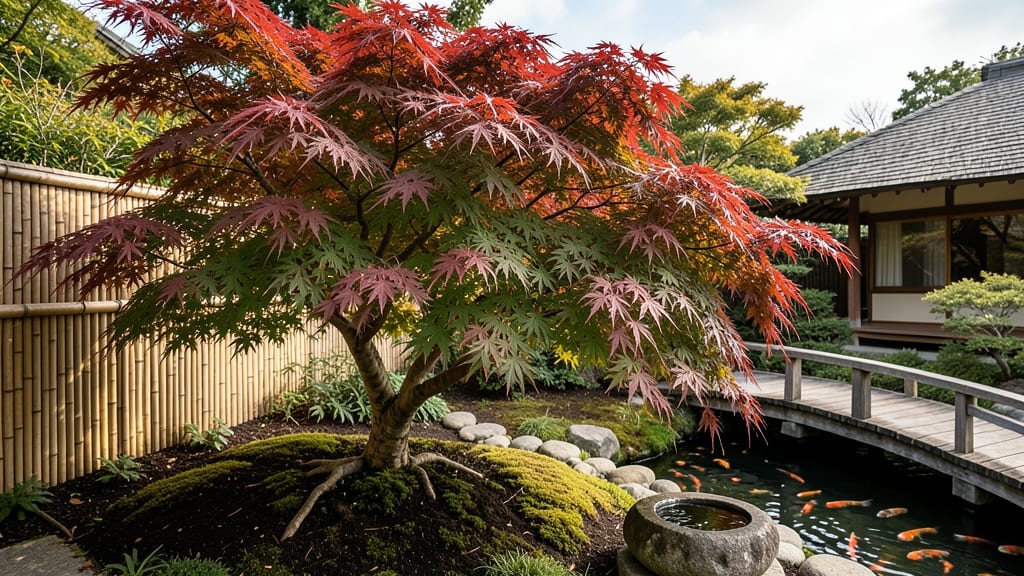
The Pasadena Japanese Garden offers a tranquil retreat where traditional Japanese aesthetics meet meticulous landscaping, featuring serene koi ponds, carefully sculpted bonsai displays, and vibrant seasonal blooms like cherry blossoms that embody the principles of wabi-sabi and shakkei (borrowed scenery).
The Pasadena Japanese Garden stands out as a masterpiece of Japanese horticulture, where every element—from the undulating pathways to the strategically placed stone lanterns—serves a purpose beyond mere decoration. 🌸 Designed to evoke a sense of peace and reflection, this 12-acre sanctuary incorporates classic Japanese garden techniques like zen rock gardens and water symbolism, creating a space that feels both timeless and deeply intentional.
What makes it special is how it balances nature's imperfections with human craftsmanship, inviting visitors to slow down and appreciate the subtle beauty in each detail.
Beyond its visual appeal, the garden serves as a living classroom for Japanese cultural traditions. 🌿 For example, the seasonal plant rotations reflect the Japanese concept of kigo (seasonal words), while the tea houses offer hands-on experiences with traditional ceremonies.
Whether you're drawn to the delicate art of bonsai or the meditative quality of the koi ponds, every visit reveals new layers of meaning—making it far more than just a scenic spot.
💡 In This Article
- Design Principles Behind Pasadena’s Japanese Garden
- Best Times to Visit for Seasonal Highlights
Design principles behind Pasadena’s Japanese garden
The garden’s design follows wabi-sabi, a Japanese philosophy celebrating imperfection and transience. You’ll notice how the 12-acre space embraces asymmetry—uneven rocks, irregularly shaped ponds, and weathered stone lanterns—all intentionally left "unfinished" to evoke natural beauty.
This principle extends to the zen rock gardens, where raked gravel patterns mimic ripples in water, creating a meditative focal point that encourages mindful observation. 🌿 The gravel’s texture, typically 1-2 inches deep, is meticulously maintained to preserve its symbolic purity, while the placement of stones follows strict geometric rules to balance visual harmony.
Water plays a central role in Japanese gardens, symbolizing both life and impermanence. At Pasadena, the koi ponds (home to 50+ koi of various breeds) incorporate waterfalls and bridges that guide visitors through the space while reinforcing the flow of energy.
The ponds’ design reflects shakkei, or "borrowed scenery"—a technique where elements outside the garden (like distant mountains) are framed into the composition.
For instance, the Arbor Vista area uses carefully placed trees to create a visual corridor that extends views beyond the garden’s boundaries, blending the man-made with the natural landscape.
The garden’s seasonal plant rotations demonstrate another key principle: kigo, or seasonal words. In spring, 200+ cherry blossom trees (primarily Prunus serrulata) create a 10-day spectacle, while autumn brings maple trees whose leaves turn fiery reds and oranges.
Even in winter, pine trees (like Pinus thunbergii) provide vertical structure, their evergreen needles contrasting with dormant plants. This rotation isn’t just decorative—it’s a living calendar that aligns with Japan’s traditional seasonal observances, like hanami (flower viewing) or tsukimi (moon viewing).
Pathways are never random here—they’re designed to slow you down. The gravel paths (typically 3-4 feet wide) force a deliberate pace, while the wooden boardwalks over ponds create moments of surprise, like the Moon Bridge that offers a mirrored reflection of the surrounding trees.
Stone lanterns (ishidō) aren’t just light sources; their placement marks transitions between spaces, often aligned with the solstices to cast shadows that change with the seasons. Even the tea houses, like the Suzie Tea House, are positioned to frame views of the garden’s most striking features.
What’s often overlooked is how the garden uses soundscapes to enhance the experience. The waterfalls (like the 15-foot cascade near the entrance) create a constant 60-70 decibel hum—just loud enough to mask urban noise while remaining soothing.
During tea ceremonies, the clinking of matcha bowls and the rustling of kimono sleeves become part of the sensory journey. These auditory elements are as carefully curated as the visual ones, reinforcing the garden’s goal of immersive tranquility. 🌸
For visitors, understanding these principles transforms a walk from a leisurely stroll into an active engagement with culture. For example, the zen rock garden near the Arbor Vista isn’t just for looking—it’s for raking.
The 12-foot diameter gravel area is designed so that each pass of the raked bamboo comb (with 3-inch teeth) creates precise, wave-like patterns that symbolize water. This hands-on activity connects you directly to the garden’s meditative purpose, proving that Japanese design isn’t just about beauty—it’s about participation.