
Tools
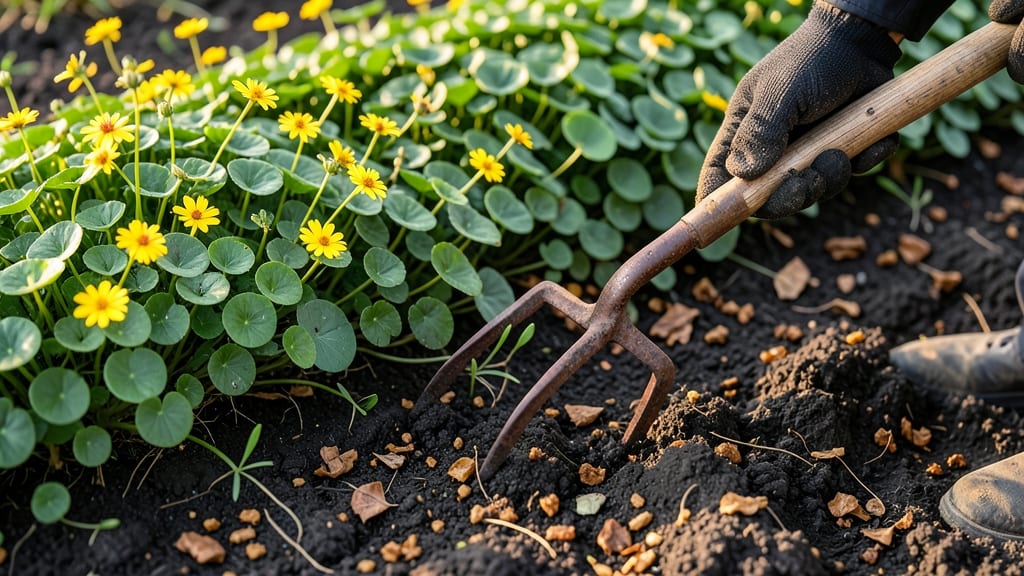
Till the garden meaning involves loosening soil to break up compacted earth, eliminate weeds, and mix in compost or organic material—creating ideal conditions for planting by improving water absorption, root growth, and nutrient distribution.
This process is all about giving your plants the best possible start.
When you till, you're essentially creating a fluffy, well-aerated environment where roots can spread easily and water drains properly. 🌱 I've found that tilling also helps prevent soil from becoming too dense, which can suffocate plant roots over time.
The key is timing—doing it a few weeks before planting gives nutrients time to settle, while tilling too late might disturb newly planted seeds.
What's interesting is how tilling affects soil life. While it kills some beneficial microbes in the short term, it also creates pockets of air that help beneficial fungi and bacteria thrive long-term.
Many gardeners swear by fall tilling to break up winter compaction, while others prefer spring tilling right before planting season begins. The right approach depends on your climate and soil type.
💡 In This Article
- Why Garden Soil Tilling Improves Plant Growth
- Best Times and Tools for Tilling Your Garden Soil
Why garden soil tilling improves plant growth
Tilling transforms dense soil into a loose, crumbly texture by physically breaking up compacted clay particles and thatch layers. This process creates larger pore spaces between soil particles, which dramatically improves aeration—roots need oxygen to respire just like we do.
Studies show well-aerated soil can increase root growth by up to 40% compared to compacted ground, where roots struggle to penetrate beyond 2-3 inches deep. The mechanical action also severs weed roots before they sprout, giving your crops a competitive edge.
What's happening at the microscopic level is fascinating. Tilling disrupts the natural soil structure but simultaneously creates micro-environments where beneficial microbes can thrive. These microbes break down organic matter into plant-available nutrients like nitrogen, phosphorus, and potassium.
For example, earthworms—which are nature's tillers—create similar channels when they burrow, but mechanical tilling accelerates this process. However, the trade-off is that tilling can also kill beneficial fungi and bacteria in the short term, which is why many modern gardeners use reduced tilling or broadforking instead.
The physical disruption also improves water infiltration. Compacted soil repels water like a raincoat, causing runoff and poor absorption. After tilling, water can penetrate 3-5 times faster, reducing erosion and ensuring roots stay hydrated.
This is especially critical in clay-heavy soils, where water pools on the surface instead of soaking in. The improved drainage also prevents root rot by keeping soil from becoming waterlogged—a common issue in heavy or poorly drained garden beds.
One common misconception is that tilling always benefits soil health. In reality, over-tilling can degrade soil structure over time by destroying soil aggregates—the natural clumps that hold nutrients and water.
The ideal approach is to till just enough to loosen the top 6-8 inches of soil without pulverizing it into dust. This depth allows most plant roots to access nutrients while preserving the underlying soil structure.
For comparison, no-till methods preserve soil organic matter better but require more initial preparation with cover crops.
Consider the difference between tilling clay soil versus sandy soil. Clay holds nutrients but compacts easily, while sand drains too quickly. Tilling clay creates stable crumbs that retain moisture, while tilling sand helps bind particles together.
The goal is always to create a loamy texture—a balance between sand, silt, and clay—that holds moisture but drains well. This balance is what gives tilling its superpower for plant growth.
For gardeners using raised beds, tilling becomes even more critical because the soil volume is limited. Without proper aeration, roots can quickly outgrow their space. I've seen tomato plants in raised beds grow 20% larger when the soil was tilled to 8 inches depth compared to untouched beds.
The key is to match your tilling depth to your plant's root system—shallow-rooted herbs need only 4-6 inches, while deep-rooted vegetables like carrots benefit from 10-12 inches of loose soil.