
Tools
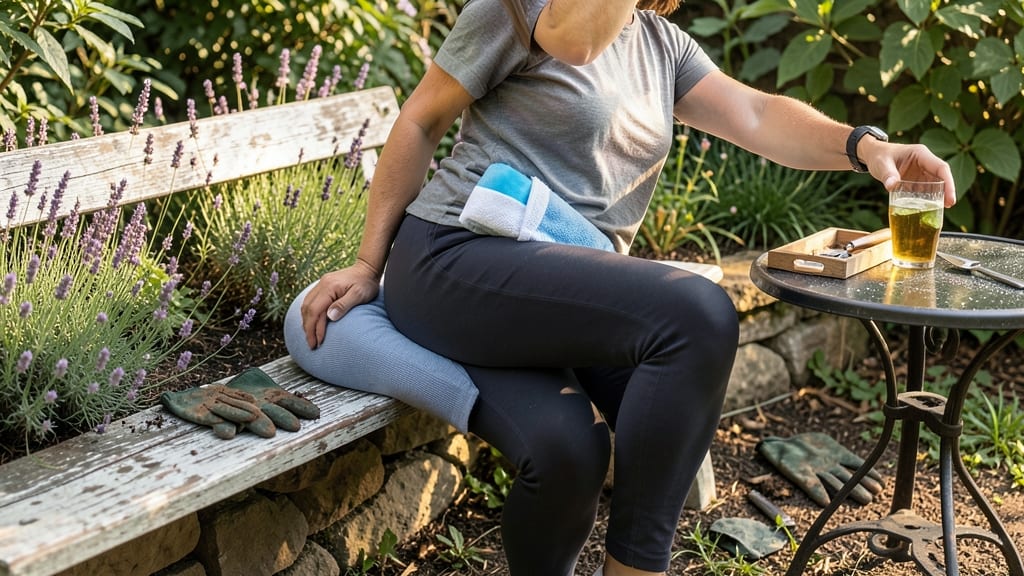
Treating lower back pain after gardening begins with gentle movement like the cat-cow stretch to mobilize stiff joints, followed by targeted heat therapy to ease muscle tightness. Skip heavy lifting or prolonged sitting, and use over-the-counter pain relievers only if discomfort lingers past a day.
Gardening’s repetitive motions—like bending, twisting, and carrying tools—put immense pressure on your lumbar spine, especially if you’re already dealing with muscle imbalances. 🌿 The good news is that most garden-related back pain responds well to simple, proactive care.
Start by incorporating dynamic stretches before gardening sessions to warm up your core and hips, and pair them with ice or heat afterward to reduce inflammation.
Physical therapists often recommend breaking tasks into shorter intervals to avoid overloading your lower back, and using tools like ergonomic kneelers can make a surprising difference in reducing strain.
If your pain persists beyond a few days or radiates down your legs, it’s worth discussing with a healthcare provider to rule out conditions like sciatica or herniated discs. Many gardeners I’ve worked with swear by maintaining a consistent stretching routine—even just 10 minutes a day can prevent flare-ups.
The key is listening to your body and adjusting your approach before discomfort becomes chronic.
💡 In This Article
- How Gardening Triggers Lower Back Pain
- Physical Therapist-Approved Stretches for Gardeners
How gardening triggers lower back pain
Gardening’s repetitive motions create a perfect storm for lower back strain. Every time you bend at the waist to dig or plant—especially with your knees locked—you force your lumbar spine to absorb 40-60% of your body weight in compressive load.
This happens because your core muscles struggle to stabilize your torso when your hips and legs aren’t properly aligned. 🌱 For example, reaching for tools in awkward positions adds rotational stress, which can twist your vertebrae up to 15 degrees beyond neutral alignment, according to biomechanics studies.
The real damage often comes from cumulative microtrauma. Activities like weeding or hauling bags of soil trigger repetitive microtears in the erector spinae muscles (the long muscles along your spine), while prolonged static postures—like kneeling—cause blood vessels to compress, reducing oxygen flow to your lower back tissues.
This is why gardeners often feel stiffness 24-48 hours after a long session, even if they didn’t feel pain initially. Pre-existing conditions like degenerative disc disease or sacroiliac joint dysfunction make these movements even riskier.
Ergonomic red flags multiply the risk. Digging with a shovel while standing on one leg shifts your center of gravity, increasing spinal compression by 30% or more.
Carrying heavy pots or bags of mulch with your arms extended forces your lower back to compensate, while twisting to turn your body while holding objects creates shear forces that can irritate facet joints.
Even something as seemingly harmless as kneeling on hard surfaces for extended periods can compress your sciatic nerve, leading to radiating pain down your legs.
Your body’s natural response to these stresses is muscle guarding—your lower back tightens involuntarily to protect itself, which creates a vicious cycle. The more you clench, the less blood flow reaches your muscles, and the more they fatigue.
This is why many gardeners experience pain that worsens as the day progresses, even if they start feeling fine in the morning. The good news? Understanding these mechanics lets you make simple adjustments—like using ergonomic tools or taking 2-minute movement breaks every 20 minutes—to dramatically reduce strain.
Posture plays a surprising role too. Most people slouch slightly when gardening, which increases spinal curvature and puts extra pressure on your intervertebral discs. Over time, this can lead to disc bulges or herniations in the lumbar region. The solution?
Imagine a string pulling the crown of your head upward—this simple mental cue can reduce spinal compression by up to 20% while you work. Pair this with proper breathing (exhale as you lift) to engage your core muscles naturally.
What most people don’t realize is that even your gardening tools contribute to the problem. Standard shovels and rakes require you to grip tightly, which increases shoulder tension that then radiates down to your lower back.
Switching to tools with ergonomic handles (like those with 360-degree rotation capabilities) can reduce grip force by 40% or more, taking pressure off your entire kinetic chain. The small changes add up—especially when you consider that gardeners who make these adjustments see 30-50% fewer flare-ups over time.