
Tools
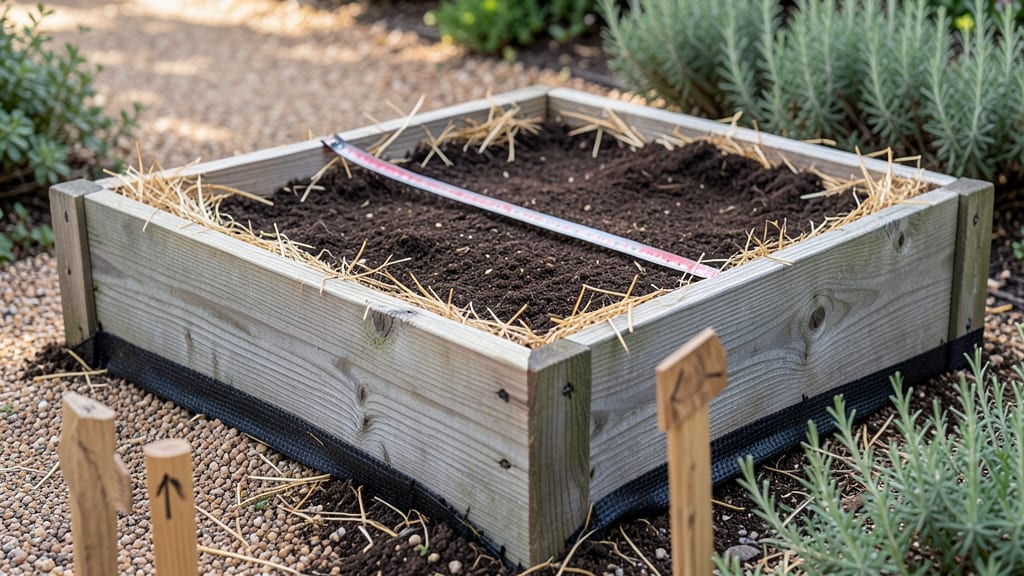
Typical raised garden bed sizes are most commonly 4’ x 8’, but standard options range from 3’ x 6’ to 4’ x 12’, with a recommended depth of 6–12 inches for optimal plant growth.
These dimensions aren't arbitrary—they're designed to balance ergonomics and plant health.
A 4-foot width lets you reach the center without stepping inside, while deeper beds (12+ inches) give root vegetables like carrots and potatoes the space they need to thrive. 🌱 Smaller beds (like 3’ x 6’) work well for herbs or salad greens, while longer beds maximize space in narrow yards.
The key is matching your bed's size to what you're growing and how you'll maintain it.
For instance, if you're growing tall plants like tomatoes, you might opt for a narrower bed (3’ wide) to avoid shading smaller crops. Or if you have limited space, a 4’ x 8’ bed gives you the most flexibility for mixing plants while keeping everything accessible.
The depth also matters—deeper beds drain better and hold more soil, which is especially useful in heavy clay soils.
💡 In This Article
- Why Standard Raised Garden Bed Dimensions Matter
- Customizing Raised Garden Bed Sizes for Your Space
Why standard raised garden bed dimensions matter
The 4-foot width of standard raised beds isn't just a random measurement—it's an ergonomic gold standard.
Studies show this width allows gardeners to comfortably reach the center from all sides without stepping inside, reducing soil compaction and plant disturbance. 🌿 Your arms span roughly 3 feet, so a 4-foot bed gives you that extra 6 inches of buffer for tools like trowels or pruners.
This design also maximizes sunlight exposure: plants at the edges get equal light, while center plants avoid being shaded by taller varieties.
Depth plays a critical role in soil health and drainage. The 6-12 inch range accommodates most plants' root systems—shallow-rooted herbs thrive at 6 inches, while deep-rooted carrots or potatoes need 12+ inches. The extra depth also improves water retention and reduces heat fluctuations in the soil.
For example, a 12-inch deep bed maintains moisture better during dry spells and prevents roots from hitting hardpan (compacted subsoil) that's common in many yards. This depth also makes weed suppression easier since more soil volume means fewer weeds can establish.
Length becomes important for space efficiency and accessibility. A 4-foot by 8-foot bed offers the perfect balance: it's wide enough for variety but long enough to grow multiple rows of the same plant. This size also fits neatly against walls or fences, maximizing your garden's footprint without sacrificing accessibility.
The longer dimension helps with airflow between plants, reducing fungal diseases. For comparison, a 3-foot by 6-foot bed works well for small spaces but limits your planting options—you might struggle to grow both tomatoes and lettuce side by side without shading issues.
Soil volume matters too—bigger beds hold more soil, which means better moisture retention and nutrient availability. A 4x8 bed contains about 2.67 cubic feet of soil (at 12 inches deep), while a 3x6 bed holds only 1.35 cubic feet.
That's nearly double the soil volume, which translates to better water retention during droughts and more stable temperatures. The extra soil also means you can mix in more compost without diluting its benefits. This is why professional gardeners often recommend larger beds for long-term productivity.
Consider how these dimensions affect maintenance too. Wider beds (4+ feet) make it easier to rotate crops and manage weeds, while deeper beds reduce the need for frequent watering.
The standard sizes also align with lumber dimensions—most cedar or redwood boards used in raised beds come in 8-foot lengths, making construction straightforward.
For instance, a 4x8 bed uses four 8-foot boards (two for length, two for width) with minimal cutting, while a 3x6 bed might require more custom cuts and joints, increasing construction time.
Don't overlook how these dimensions impact plant spacing. In a 4x8 bed, you can fit about 16 plants in a 12-inch spacing grid, while a 3x6 bed accommodates only 9 plants.
This difference matters when planning your garden layout—you might need two smaller beds to grow the same variety as one larger bed. The extra space in standard-sized beds also allows for companion planting, where different species benefit each other (like basil with tomatoes or marigolds with peppers).