
Tools
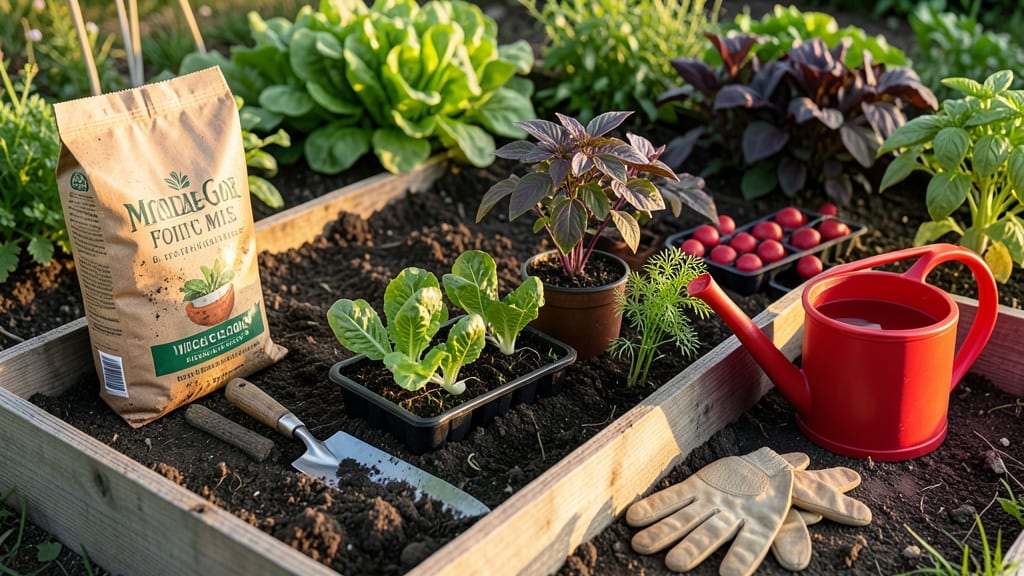
Using potting soil in garden beds enhances drainage and aeration for healthier roots, but blending it with native soil (20-30%) prevents nutrient loss and compaction over time. This mix works best in raised beds or areas with dense, poorly draining soil.
Potting soil's lightweight, airy composition makes it ideal for container gardening, but its fast-draining nature can starve plants of nutrients when used alone in garden beds. 🌱 The key is balancing its benefits—like improved root oxygenation—with the stability of native soil.
I’ve found this blend particularly effective for vegetables and perennials that thrive in well-drained conditions, while avoiding overuse in clay-heavy soils where moisture retention becomes critical.
For best results, adjust the mix based on your plants’ needs: 20% potting soil works for tough natives, while 30% or more suits delicate annuals. Replenish with compost annually to maintain fertility, as potting soil’s nutrients deplete faster than garden soil.
This approach lets you leverage potting soil’s strengths without sacrificing long-term soil health.
💡 In This Article
- How Potting Soil Differs From Garden Soil
- Best Practices for Blending Potting Soil in Garden Beds
How potting soil differs from garden soil
Potting soil is engineered for containers, packed with 30-50% peat moss or coconut coir to create a lightweight, airy structure that prevents compaction. This composition gives it a porosity rate of 60-70%, meaning roots get 5-10x more oxygen than dense garden soil. The trade-off?
It drains so quickly that nutrients like nitrogen and phosphorus leach out within 3-6 months without fertilization. Garden soil, by contrast, contains 10-30% organic matter and retains moisture longer, but its clay or silt particles can suffocate roots by reducing oxygen to 10-20% of the volume.
The texture difference is dramatic: potting soil feels like a fluffy sponge, while garden soil often has a dense, crumbly consistency.
This matters because roots in potting soil grow 25% faster initially due to better aeration, but they struggle to anchor deeply without structural support. 🌱 The nutrient profile also shifts—potting mixes include slow-release fertilizers (like osmocote), while garden soil relies on natural decomposition for nutrients.
For example, a 1-gallon bag of potting soil might contain 1-2 pounds of composted bark, but garden soil could have 5+ pounds of organic matter per cubic foot.
Here’s where the risks emerge: potting soil’s fast drainage can dehydrate plants in outdoor beds during dry spells, while its low microbial activity means it won’t support beneficial fungi like mycorrhizae that garden soil naturally fosters.
The pH balance also differs—potting mixes often sit at 5.5-6.5 (slightly acidic), while garden soil ranges from 6.0-7.5 (neutral to slightly alkaline). This shift can stress plants adapted to local soil conditions, like blueberries that require 4.5-5.5 pH.
For plants like tomatoes or peppers, the benefits of potting soil’s aeration outweigh the risks when blended properly. But for natives like oak trees or blackberries, their roots evolved to thrive in heavy, moisture-retentive soil—adding potting soil could actually stunt growth.
The solution? Use potting soil as a 20-30% amendment in raised beds or amend garden soil with 1-2 inches of compost to mimic its benefits without the drawbacks.
Consider this real-world example: In a 4’x8’ raised bed, mixing 2 cubic feet of potting soil with 6 cubic feet of garden soil improves drainage while maintaining moisture retention. The potting soil’s high air pockets prevent root rot, while the garden soil’s nutrient reserve keeps plants fed.
Over time, the blend stabilizes into a loamy texture that mimics ideal garden conditions.
Pro tip: If you’re using potting soil in a garden bed, test your soil first.
Clay-heavy soils benefit more from the aeration boost, while sandy soils need the moisture retention that potting soil lacks. 💡 The goal is to create a balanced ecosystem where roots get both oxygen and nutrients—without one extreme dominating.