
Tools
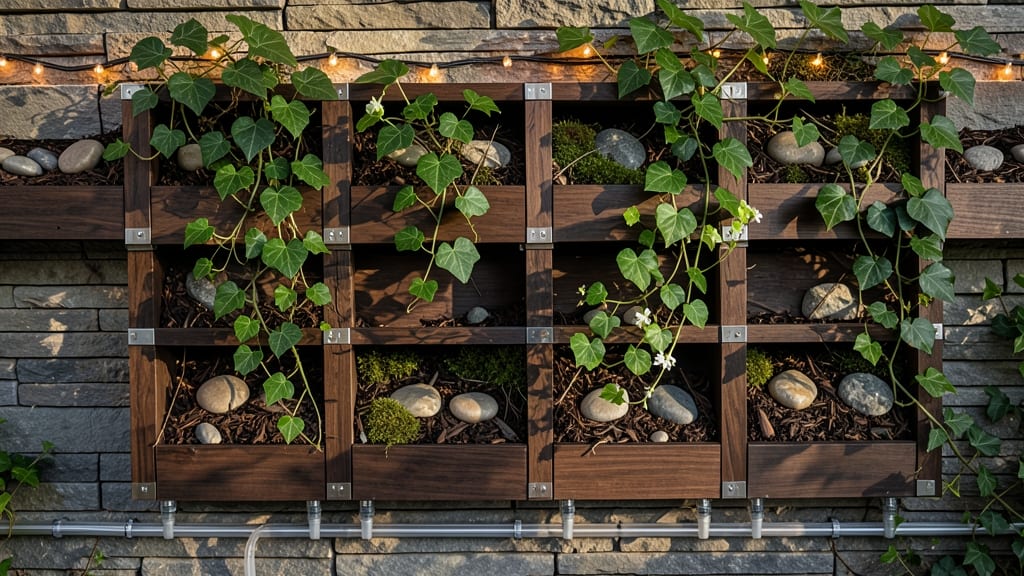
An outdoor wall garden transforms even the smallest patio or balcony into a thriving green space 🌿 — no yard required.
Picture this: your morning coffee beside a wall bursting with herbs, flowers, and maybe even a few tomatoes, all grown in a space that used to be bare concrete or a forgotten corner. The best part? You don’t need a green thumb or a massive budget to make it happen.
From modular planters to DIY trellis systems, there are endless ways to customize your wall garden for your space and style. Whether you’re working with a sun-drenched south wall or a shady north-facing alcove, the right plants and setup can turn any vertical surface into a productive, beautiful oasis.
In this guide, I’ll walk you through space-saving layouts, seasonal plant picks, and easy installation tips so you can start growing—no matter how limited your outdoor real estate may be.
Creative outdoor wall garden layouts for small spaces
Transforming your small outdoor space into a thriving garden doesn’t require sacrificing square footage. With vertical gardening techniques, you can grow herbs, flowers, and vegetables on walls, fences, or even trellises. These layouts maximize sunlight exposure while keeping maintenance manageable—perfect for balconies, patios, or urban yards.
Outdoor wall gardens offer year-round greenery and can be customized to fit your sunlight conditions and aesthetic preferences. Whether you prefer tiered shelves for herbs, hanging pockets for trailing plants, or modular panels for vegetables, the key is balancing drainage, plant compatibility, and structural support.
Sun exposure is critical—most edibles and flowers need at least 4-6 hours of sunlight, while shade-tolerant plants like ferns or ivy thrive in indirect light. Group plants with similar needs together to simplify care. For example, basil and cherry tomatoes love full sun, while lettuce and spinach prefer partial shade.
Drainage is another non-negotiable for wall gardens. Use well-draining soil mixes with perlite or coco coir, and ensure containers have drainage holes. Without proper drainage, roots rot quickly in confined spaces. I recommend adding a 1-inch layer of gravel at the bottom of planters to prevent waterlogging.
Here’s how three popular layouts compare in terms of space efficiency, plant variety, and maintenance:
For tiered shelves, I love using cedar wood frames with removable trays—ideal for basil, thyme, and cherry tomatoes. Place them on a south-facing wall to maximize sunlight. Add a drip irrigation system to automate watering, which is a game-changer for busy gardeners.
Hanging pockets are perfect for trailing plants like nasturtiums or strawberries. Suspend them from a pergola or balcony railing, ensuring the pockets are 12-18 inches apart for airflow. Mix edibles with flowers (like marigolds) to deter pests naturally. Just remember to water from the top to avoid soggy roots.
If you’re growing heavier plants like cucumbers or beans, modular panels are the way to go. These freestanding or wall-mounted systems often include trellises or wire grids for vertical growth.
Pair them with self-watering reservoirs to reduce evaporation in hot climates. I’ve seen these support 6-foot-tall plants with minimal wall damage.
Don’t overlook plant compatibility—some combinations thrive together, while others compete for nutrients. For example, companion planting basil with tomatoes boosts flavor, but avoid pairing onions with beans. Always check root depth requirements; shallow-rooted herbs shouldn’t share space with deep-rooted veggies like carrots.
To keep your wall garden thriving, rotate crops annually to prevent soil depletion. Use organic mulch like straw or shredded leaves to retain moisture and suppress weeds. And if your space gets intense afternoon sun, add a lightweight shade cloth (30
Best plants for outdoor wall gardens by season
Transforming your outdoor wall into a vibrant garden doesn’t have to be complicated. With the right seasonal plants, you can enjoy year-round color and productivity while keeping maintenance minimal.
The key is selecting varieties that thrive in vertical spaces, like trailing flowers, succulents, and compact vegetables, all of which adapt beautifully to wall-mounted planters.
Spring kicks off with cool-weather crops like strawberries and lettuce, while summer brings in heat-tolerant blooms such as petunias and nasturtiums. Fall and winter can still shine with evergreen ferns and ornamental grasses, ensuring your wall garden stays lush regardless of the season.
Let’s dive into the best low-maintenance plants for each season to keep your vertical garden thriving.
For spring planting, prioritize edible options like cherry tomatoes or radishes, which grow quickly and add freshness to your meals. These compact varieties are perfect for wall gardens, as they don’t require deep soil.
Pair them with trailing flowers like nasturtiums to attract pollinators and add a pop of color.
In summer, focus on heat-loving plants such as portulaca or zinnia. These drought-tolerant blooms thrive in the heat and require minimal watering once established. Place them in the sunniest spots on your wall to maximize their vibrancy and longevity throughout the season.
As fall approaches, swap out summer plants for cool-season favorites like kale or pansies. These hardy varieties not only survive cooler temperatures but also add striking autumn colors to your wall garden. Mulch around the base of your plants to protect their roots from early frosts.
Don’t overlook winter interest! Evergreen plants like boxwood or ivy keep your wall garden looking lush even when other plants are dormant. Pair them with ornamental grasses for movement and texture, ensuring your outdoor space remains inviting year-round.
With these seasonal swaps, your wall garden will stay vibrant and productive no matter the weather.