
Size
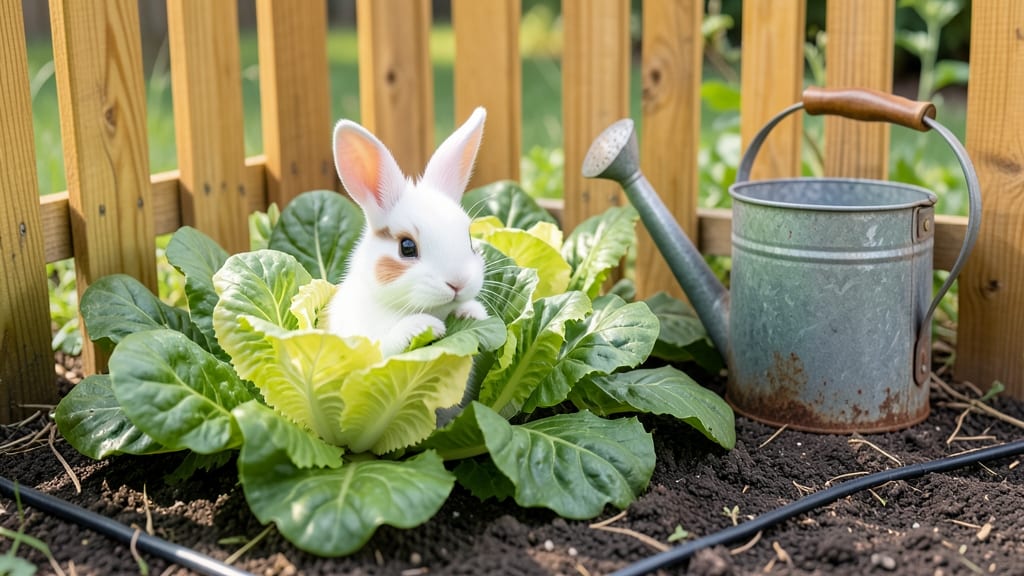
The bunny in Grow a Garden demonstrates seed planting by carefully digging shallow holes, covering seeds with soil, and providing gentle watering to support germination and early plant development.
The bunny’s actions in the game perfectly illustrate the core principles of seed planting that real gardeners use every day. 🌱 By focusing on proper seed depth and controlled moisture, it ensures seeds get the ideal environment to sprout without overcrowding or drying out.
This method isn’t just for beginners—it’s a reminder that even small details like soil consistency and watering frequency make a huge difference in how well your plants grow.
What’s fascinating is how the game simplifies these steps while still teaching valuable lessons. For example, the bunny never overwatering shows why too much moisture can suffocate seeds, while its gentle approach to soil coverage prevents seeds from being buried too deep.
These are the same principles that help real gardeners achieve higher germination rates and healthier starts.
💡 In This Article
- How the Bunny’s Planting Process Mimics Real Gardening Techniques
- Key Lessons from the Bunny’s Gardening for Beginner Gardeners
How the bunny’s planting process mimics real gardening techniques
The bunny’s planting technique in Grow a Garden follows a method that aligns with real-world organic gardening principles. When it digs holes, it maintains a consistent depth—typically twice the diameter of the seed—which is a rule of thumb for optimal germination.
For example, small seeds like lettuce need holes just 1/4 inch deep, while larger seeds like beans require 1 inch. This depth ensures seeds get enough light to sprout but stay protected from drying out or being washed away.
The way the bunny covers seeds with soil mimics the natural process of seed burial, which triggers germination hormones in many plants. The gentle patting motion it uses creates a firm but not compacted soil layer, allowing moisture and air to reach the seeds without smothering them.
In real gardening, this technique prevents seeds from floating to the surface during watering—a common issue when soil isn’t properly settled. The bunny’s precision here reflects how experienced gardeners use their fingers to create a light, even layer of soil over seeds.
Watering is where the bunny’s method truly shines as an educational tool. It delivers moisture in controlled amounts, avoiding both underwatering (which causes seeds to dry out) and overwatering (which can lead to rot or fungal growth).
The game’s visual feedback—showing soil moisture levels—mirrors real gardening practices where consistent but not soggy soil is ideal. For instance, most seeds need soil to stay moist but not waterlogged, similar to how a damp sponge holds water without dripping.
What’s often overlooked in gardening is the bunny’s patience during the early stages. It doesn’t rush to check on seeds immediately after planting, demonstrating how seeds need time to absorb moisture and begin the germination process. This waiting period—typically 3 to 14 days depending on the plant—is critical.
The bunny’s behavior teaches players that germination isn’t instant; it requires observation and trust in the natural process, much like how real gardeners monitor their seeds without disturbing them too soon.
The game also subtly introduces the concept of seed spacing, which the bunny maintains by planting seeds 2 to 3 inches apart (depending on the plant). This spacing prevents overcrowding, allowing each seedling room to grow without competing for nutrients.
In real gardens, proper spacing reduces the risk of disease spread and makes it easier to thin seedlings later. The bunny’s method shows how even small games can incorporate these essential horticultural practices.
One fascinating detail is how the bunny’s planting rhythm changes based on seed type. For example, delicate seeds like marigolds might get a shallower burial and lighter watering, while heartier seeds like sunflowers receive a firmer soil cover.
This adaptability reflects how real gardeners adjust their techniques based on seed characteristics—a lesson that’s often simplified in beginner guides but crucial for success.