
Tools
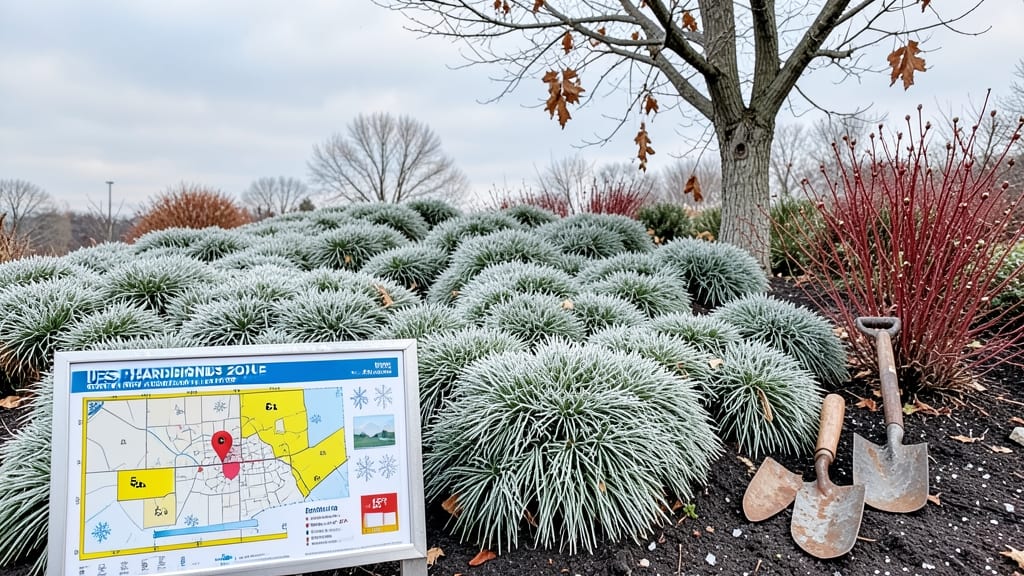
What garden zone is Buffalo, NY in? It’s USDA Hardiness Zone 6b, where winters dip to 0°F to 5°F (-18°C to -15°C), directly impacting what plants thrive and when you can safely plant in the region.
This classification matters because Zone 6b’s cold winters—especially with lake-effect snow—dictate which plants survive outdoors year-round. 🌱 For example, while peonies and daylilies flourish here, tender annuals like tomatoes need to be started indoors and transplanted after the last frost date (around May 15).
The short growing season (about 150 days) also means fast-maturing varieties are key for vegetables.
Nearby areas like Erie County’s southern edge might dip into Zone 6a, while parts of Niagara County occasionally reach Zone 7a—this half-zone difference can mean the success or failure of certain perennials. Always check your exact microclimate, especially near large bodies of water or urban heat islands.
💡 In This Article
- Understanding USDA Zone 6b Climate in Buffalo
- Best Plants for Buffalo’s Zone 6b Garden
Understanding USDA Zone 6b climate in Buffalo
Buffalo's classification as USDA Zone 6b stems from its average annual minimum temperatures, which typically hover between 0°F and 5°F (-18°C to -15°C).
This range reflects the region's harsh winters, where cold air masses from Canada collide with lake-effect snow from Lake Erie, creating microclimates that can vary dramatically even within short distances.
The National Oceanic and Atmospheric Administration (NOAA) records show Buffalo experiences about 100 days per year with temperatures below freezing, with January being the coldest month at an average low of 12°F (-11°C). 💛
The lake-effect phenomenon is particularly influential in Buffalo's gardening climate. When cold air passes over the relatively warm lake waters, it picks up moisture and dumps it as snow on the leeward side of the lake—often dropping 10+ inches of snow in a single storm.
This creates localized variations in soil temperatures and snow cover duration, which can affect planting times and frost sensitivity. For instance, areas closer to Lake Erie might experience slightly milder microclimates compared to inland regions, allowing for a 1-2 week earlier spring planting window.
Understanding these temperature patterns helps explain why Buffalo's growing season is relatively short—typically 150-160 days from last frost to first frost. The last spring frost usually occurs around May 15, while the first fall frost arrives by October 1, leaving gardeners with a limited window for warm-season crops.
This is why cold-hardy vegetables like kale and broccoli thrive here, while tender plants such as basil and eggplants require careful timing or container growing to extend the season.
When comparing Buffalo to neighboring zones, the differences become clear. Zone 6a (which includes parts of Erie County) has slightly warmer winters (5°F to 10°F), allowing for marginally longer growing seasons.
Meanwhile, Zone 7a (found in nearby Niagara County) has minimum temperatures between 0°F and 5°F, similar to Buffalo but with fewer extreme cold snaps.
These half-zone differences can mean the success or failure of certain perennials—like peonies that thrive in Zone 6b but may struggle in colder Zone 5 areas.
For gardeners, this zone classification directly impacts plant selection. Cold-hardy trees like sugar maples and serviceberries thrive in Buffalo's climate, while delicate shrubs such as gardenias may need winter protection.
The 10-year average of extreme cold events also plays a role—Buffalo's record low of -20°F (-29°C) in 1994 demonstrates why plant hardiness ratings are crucial for long-term success in the region. 🌿
One often-overlooked factor is how urban heat islands in Buffalo can create localized Zone 7-like conditions in city centers, where pavement and buildings retain heat. This means gardeners in downtown areas might successfully grow plants rated for Zone 7, while suburban and rural gardeners should stick to Zone 6b recommendations.
Always consider your specific microclimate when selecting plants, especially near large water bodies or in urban settings.